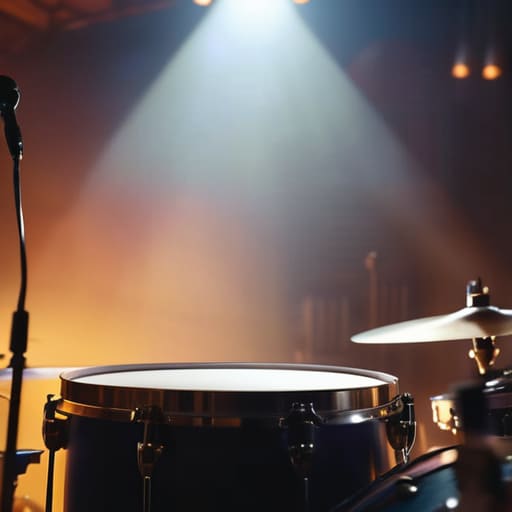
I remember sitting in a corner booth at a basement club in Ann Arbor back in ’78, the air thick with the scent of old wood and spilled bourbon, watching a saxophonist lean into a solo as if his life depended on it. There was no flashing LED screen or overpriced cocktail menu to distract you; there was only the vibration of the floorboards under my feet. That is the soul of true live music venues, a feeling that seems to be getting lost in our modern obsession with stadium-sized spectacles and digital perfection. We’ve traded intimacy for spectacle, and in the process, we’ve forgotten how to actually listen.
I’m not here to give you a list of the trendiest spots or the most “Instagrammable” basements in the city. Instead, I want to guide you toward the places where the acoustics actually respect the artist and the lighting invites you to stay a little longer. I promise to share my personal maps of the most honest spaces I’ve found—the kind of rooms where you can finally stop rushing and just exist. Let’s find the music that actually stays with you.
Table of Contents
Finding Sanctuary in Quiet Acoustic Performance Spaces
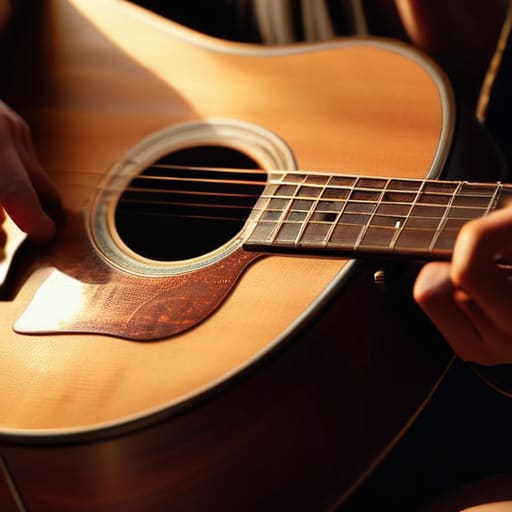
There is a particular kind of magic found in the smaller, more intimate acoustic performance spaces tucked away in the corners of the city. Unlike the cavernous halls that demand you shout to be heard, these rooms invite you to lean in. I often find myself seeking out these quiet sanctuaries when the world feels a bit too loud and hurried. In these settings, the distance between the performer’s fingertips and your own ears seems to vanish, leaving nothing but the raw, unvarnished truth of a melody.
I recall sitting in a basement room last Tuesday, sketching the arched ceiling while a single cello wept in the corner. It wasn’t about the spectacle; it was about the intentional silence between the notes. When the venue capacity and acoustics are handled with care, the room itself becomes an instrument. You aren’t just a spectator anymore; you are part of the resonance. It is in these hushed, dimly lit corners that I truly feel the city’s pulse slowing down, reminding us that some of the most profound experiences require nothing more than a steady breath and a willing ear.
Chasing the Pulse of the Underground Music Scene
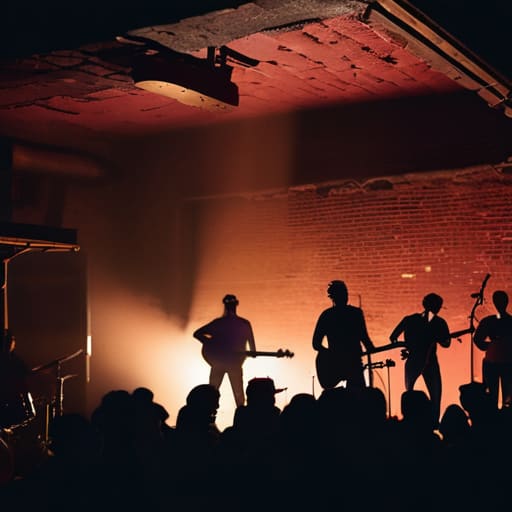
If the acoustic rooms offer a quiet place for reflection, then the basement clubs offer something much more visceral. There is a certain electricity found only in the underground music scene, where the air feels thick with anticipation and the walls seem to sweat along with the crowd. These aren’t the polished halls where you sit in assigned seating; these are the places where you press yourself against a brick wall just to feel the vibration of a kick drum in your marrow.
I often find myself wandering away from the main thoroughfares, ignoring the polished tourist maps, to find those tucked-away spots that don’t bother with much fanfare. You won’t find much mention of them in the standard upcoming concert schedules you see posted on street corners, but that’s precisely the point. There is a raw, unvarnished honesty in a room where the venue capacity and acoustics are secondary to the sheer energy of the performers. It’s a bit chaotic, certainly, and perhaps a little loud for some, but when the lights dim and the first chord strikes, the rest of the world simply ceases to exist.
A Few Notes on Navigating the Night
- Arrive early, not for the music, but for the atmosphere. There is a specific kind of magic in a room before the crowd fills it—when the scent of old wood and polished brass is still settling and the stage feels like a quiet promise.
- Leave the phone in your pocket. I know the urge to capture the moment is strong, but a digital screen is a poor substitute for the way a saxophone note vibrates in your chest. If you want to remember, sketch a line in your notebook instead.
- Seek out the corners. The center of the room is for the spectacle, but the edges are for the observers. A small table near a pillar offers the perfect vantage point to watch the light play off the instruments without feeling like part of the rush.
- Listen to the room, not just the band. Every venue has its own voice—the way the floorboards creak or how the ceiling holds a reverb. Part of the joy is understanding how the space itself contributes to the song.
- Don’t be afraid of the silence between sets. It’s in those quiet, unscripted moments—the tuning of a guitar or the low murmur of a nearby table—that you truly feel the pulse of the evening.
The Things That Remain After the Music Fades
Seek the atmosphere, not just the lineup; the soul of a venue is often found in the grain of the wooden floorboards and the way the light hits the singer’s face.
Embrace the slow pace of the evening, allowing yourself the luxury of sitting still and letting a melody settle into your bones without checking the time.
Look for the history in the shadows, remembering that every note played in these storied rooms becomes a part of the city’s living, breathing archive.
The Weight of the Room
A great venue isn’t defined by its capacity or its sound system, but by that singular, heavy moment when the room goes quiet, the lights dim, and you realize you aren’t just listening to a song—you’re sharing a breath with every stranger in the dark.
Petra Lindgren
The Echo That Remains
Whether you find yourself tucked into a velvet corner of a quiet acoustic lounge or pressed against the brick walls of a sweating, underground club, the essence remains the same. We have explored the vast spectrum of these spaces—from the hushed reverence of a solo cellist to the raw, unpolished energy of a basement punk set. Each venue serves as a different kind of vessel, holding the breath of the city and the collective heartbeat of the crowd. It isn’t just about the genre of music being played, but about the sanctuary of the space itself, providing a rare moment where the outside world finally falls silent.
As I sit here in my study, sketching the arched doorway of the jazz cellar I visited last night, I am reminded that these places are the true archives of our humanity. We live in an age of digital noise and frantic schedules, yet a single, well-played note in a dim room can anchor us back to the present. I encourage you to step out tonight, not to check a box on a list, but to truly listen. Seek out those shadows and those low notes, and let the music remind you that some things are worth the slow walk home.
Frequently Asked Questions
How can I find those smaller, tucked-away venues that don't always make it onto the main digital calendars?
You won’t find these places on a polished app or a sponsored social media feed. To find the real ones, you have to look for the physical traces: a weathered flyer taped to a telephone pole, or a hand-drawn sign in a basement window. I often find my best evenings by simply walking. Follow the sound of a muffled drum kit down a side alley, or ask the person behind the counter at a local record shop. The best music usually hides in plain sight.
Is there a particular etiquette one should follow when visiting these intimate spaces to ensure the music remains the focus?
It’s a delicate dance, really. In those smaller rooms, the air is shared between the performer and the listener. I always suggest putting the phone away; the glow of a screen is a thief of atmosphere. If you must talk, wait for the lull between sets. Most importantly, let the music be the centerpiece. We are there to witness, not just to occupy space. Respect the silence as much as the song.
What are the best ways to discover the history or the "soul" of a venue before I even step through its doors?
Before you even cross the threshold, I always suggest a bit of quiet detective work. I like to look at the building itself—the worn stone or the way the light hits the old signage—and then dig into local archives or old newspaper clippings. Sometimes, a quick search for the street address reveals a ghost of a jazz club or a forgotten ballroom that lived there decades ago. It makes the entrance feel like a homecoming.
