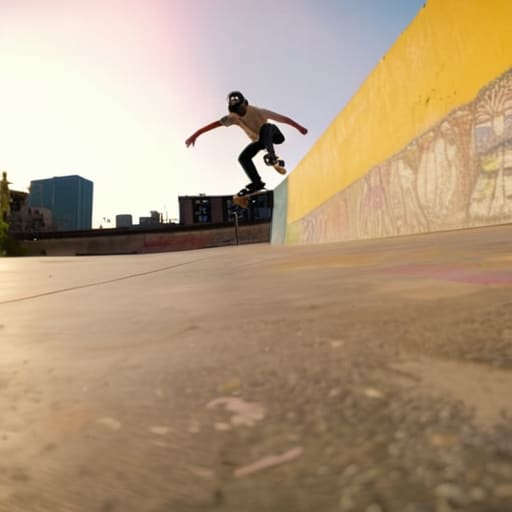
The rhythmic, hollow clack-clack of polyurethane wheels against uneven sidewalk cracks is a sound most people find intrusive, but to me, it’s a heartbeat. I remember sitting on a weathered bench outside a jazz club in Detroit, my notebook open, watching a young man navigate a concrete ledge with a grace that felt more like a slow dance than a sport. People often mistake skateboarding culture for mere rebellion or mindless noise, but they miss the quiet intention behind it. It isn’t about the adrenaline or the flashy stunts you see on a screen; it’s about the singular focus required to turn a cold, urban obstacle into something personal.
I have no interest in discussing the latest expensive gear or the hype-driven trends that seem to change every other week. Instead, I want to talk about the soul of the movement—the way it claims space in a city that often feels like it’s designed to keep us moving too fast. In the pages ahead, I’ll share my observations on how this subculture preserves the texture of our streets and why there is a profound, meditative beauty in the persistence of the skater.
Table of Contents
Tracing the History of Street Skating Through Dim Light
Tracing the History of Street Skating Through Dim Light
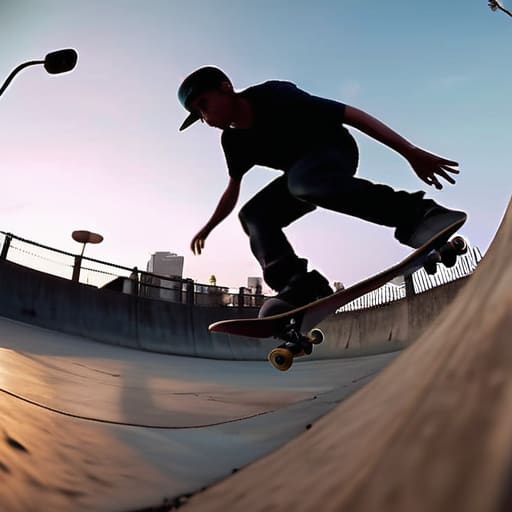
I remember sitting in a dusty corner of the archives years ago, looking at old photographs of city plazas, but the real history isn’t found in a catalog. It’s etched into the concrete of empty parking lots at midnight. The history of street skating didn’t begin in polished arenas; it was born from a necessity to reclaim the urban landscape when the rest of the world was asleep. There was a certain grit to those early years—a quiet rebellion that happened under the flicker of a single streetlamp.
As the decades turned, I watched how this movement began to bleed into the very fabric of our cities. It wasn’t just about the movement of the board, but the skateboarding subculture evolution that dictated how people dressed and moved through the night. You could see it in the way certain silhouettes began to dominate the sidewalk, a subtle nod to the skaters who treated every curb like a stage. It was a slow, rhythmic shift, much like a jazz improvisation, where the streets became the instrument and the night provided the perfect, dim backdrop.
The Deep Pulse of Skateboarding Lifestyle and Music
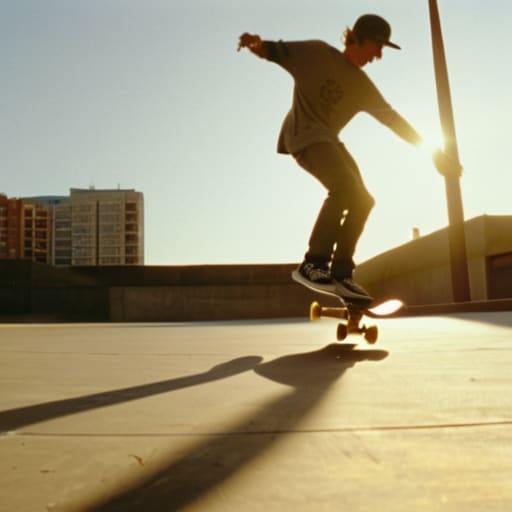
It isn’t just about the movement; it’s about the rhythm that underpins it. When I sit in a corner booth at a jazz club, I often think about how a well-timed drum fill mirrors the sudden, sharp crack of a board hitting the pavement. There is a shared heartbeat between the two. The skateboarding lifestyle and music aren’t separate entities; they are woven together by a certain kind of restless energy. Whether it’s the distorted grit of a punk track or the lo-fi haze of a hip-hop beat, the music provides the tempo for the streets, turning a simple concrete plaza into a stage for something much more profound.
You see it in the way the kids dress, too—a quiet rebellion that eventually found its way into the mainstream. The way oversized silhouettes and rugged fabrics moved from the curb to the runway tells a story of survival and utility. This skateboarding influence on streetwear isn’t just about aesthetics; it’s about a garment that can withstand a fall and still look intentional. It’s a visual language of grit and grace, much like the music that keeps them moving long after the sun has dipped below the skyline.
Finding the Rhythm in the Concrete
- Look for the quiet corners. The best parts of the culture aren’t found in the crowded, brightly lit plazas, but in those tucked-away spots where the shadows are long and the sound of a board hitting the pavement echoes just right.
- Listen to the soundtrack. You can’t truly understand the movement without the music; find the old punk records or the low-fi beats that seem to dictate the very tempo of a skater’s stride.
- Respect the architecture. As someone who spent a lifetime looking at old buildings, I see skaters as accidental historians—they find beauty and utility in the edges and curves of a city that most people simply walk past.
- Embrace the slow burn. There is no rush to master a trick or a street corner. The real soul of it lies in the patience of the attempt, much like the way a good jazz solo unfolds one note at a time.
- Notice the small details. Don’t just watch the jump; watch the way the light catches the worn grip tape or the way a group of friends settles into a conversation once the sun goes down. That is where the life is.
The Quiet Lessons of the Pavement
Skateboarding isn’t just about the physical act of movement; it is a rhythmic, almost meditative way of reclaiming the city’s architecture and finding grace in its concrete edges.
There is a profound, unspoken connection between the grit of street skating and the raw energy of underground music, both of which demand that you stop rushing and actually listen.
Beyond the tricks and the noise, the true heart of the culture lies in those fleeting, late-night moments of shared presence—the kind of stillness that stays with you long after the session ends.
## The Rhythm of the Asphalt
“To the untrained eye, it looks like chaos, but if you sit still long enough, you realize it’s actually a percussion of its own—the rhythmic snap of wood against concrete, a gritty, unhurried dance that turns the cold geometry of a city into something that finally feels alive.”
Petra Lindgren
The Echo in the Concrete
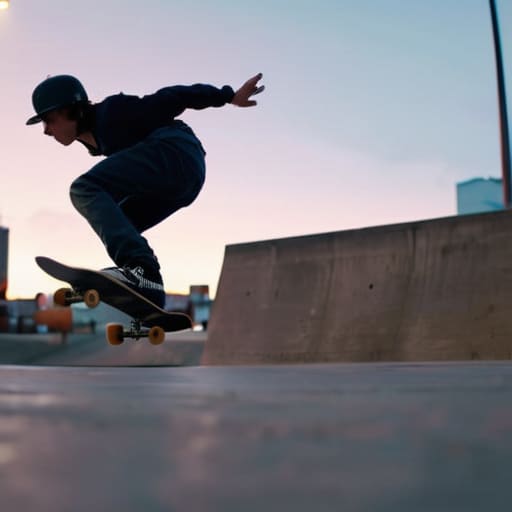
As I sit here in the corner of this dimly lit cafe, sketching the sharp angles of the plaza across the street, I can’t help but see the connections we’ve traced. Skateboarding isn’t merely a collection of tricks or a way to navigate urban terrain; it is a rhythmic dialogue between the individual and the city itself. We’ve looked at how it emerged from the shadows of history, how it breathes in tandem with the low, distorted hum of underground music, and how it transforms a cold, concrete slab into a stage for quietly defiant expression. It is a subculture built on the appreciation of the grit and the grace found in the city’s most overlooked corners.
Ultimately, I think we find ourselves drawn to these scenes because they demand our full attention. In a world that constantly asks us to move faster, to scroll further, and to consume more, the skater finds a way to master the moment through repetition and patience. There is a profound, almost archival beauty in the way a single person can reclaim a public space through nothing more than a wooden board and a steady heart. So, the next time you see a silhouette gliding under a streetlamp, don’t just walk past. Stop for a second. Listen to the roll of the wheels and remember that some things are worth the pause.
Frequently Asked Questions
How does the evolution of skate music mirror the shifts in the urban landscapes where these skaters actually live?
The shift is quite striking when you look closely. In the early days, the raw, aggressive energy of punk mirrored the gritty, unpolished concrete of industrial zones. But as cities gentrified and those old warehouses turned into glass lofts, the sound followed. The music softened into hip-hop and lo-fi beats—slower, more rhythmic, and better suited for the polished plazas and manicured urban spaces that replaced the rough edges of the past.
Is there a way to find the quiet, artistic soul of skating beyond the loud, high-energy spectacle we see on screen?
You have to look for the pauses, not the peaks. It’s found in the solitary skater practicing a single line at dusk, or the way a board’s rhythmic click echoes against a brick alleyway when the city finally settles. Don’t watch the highlight reels; look for the grainy, handheld footage of someone just existing with their craft. It’s in that quiet, repetitive motion—the pursuit of a perfect moment—where the true artistry resides.
Where can we look to find the physical remnants of skate history in our cities, much like one might find traces in an old archive?
You won’t find these stories in a formal museum, but rather in the scars of the city itself. Look for the smoothed-out edges of concrete ledges in forgotten plazas, or the peculiar way a certain stairwell has been worn down by decades of rubber and grit. To me, a chipped marble curb in a quiet courtyard is much like a handwritten note in a dusty ledger—a silent, physical testament to a moment lived intensely.
