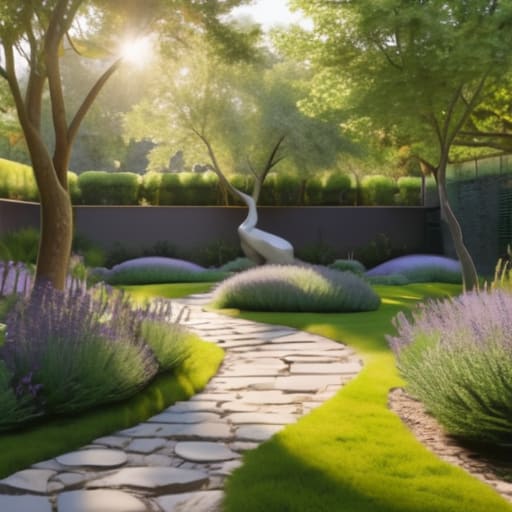
I remember sitting on a weathered stone bench at a small estate garden in Michigan, the kind of place that doesn’t make the front page of any travel brochure. The air smelled of damp earth and cedar, and the only sound was the low hum of a distant lawnmower. I wasn’t there to check a box on a tourist itinerary; I was there because the way a single bronze figure caught the slanted afternoon light made me stop breathing for a second. Most people treat sculpture gardens like they are outdoor museums—places where you walk quickly, keep your hands in your pockets, and rush to the next exhibit. But if you’re just looking at the art, you’re missing the point entirely.
I’m not here to give you a list of the most expensive, manicured estates that require a tuxedo to enter. Instead, I want to show you how to find the quiet corners where the stone and the soil actually speak to one another. I’ll share my own observations on how to navigate these spaces with intention, focusing on the texture of the light and the rhythm of the paths. Let’s skip the hype and find the places that actually leave a mark on your soul long after you’ve walked back through the gates.
Table of Contents
Finding Nature and Fine Art Synergy in the Quiet
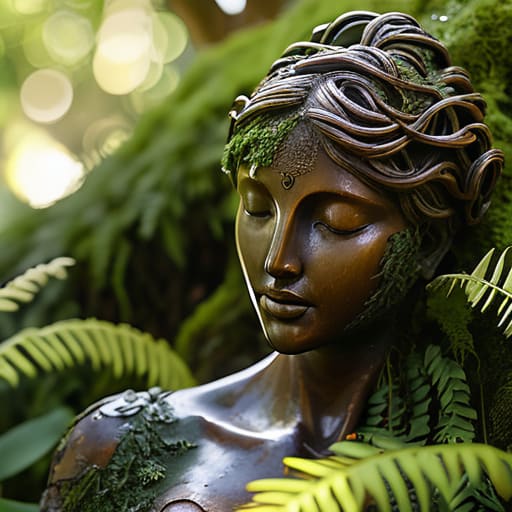
When I walk through these spaces, I’m rarely looking at the bronze or the marble in isolation. Instead, I find myself captivated by the nature and fine art synergy that occurs when a piece is allowed to age alongside its surroundings. There is a profound dialogue happening between the intentional lines of a creator and the chaotic, beautiful sprawl of a willow tree or a patch of wild ferns. It isn’t just about placing an object on a pedestal; it is about the subtle landscape art integration that makes a statue feel as though it grew from the very soil it stands upon.
In my years as an archivist, I learned that context is everything. The same applies here. A sculpture feels entirely different under the harsh glare of noon than it does when the sun begins to dip, casting long, skeletal shadows across the grass. These outdoor museum experiences demand a certain patience from us. You can’t rush a conversation with a piece of art that is busy interacting with the wind or the shifting light. You simply have to stand still, perhaps with a small notebook in hand, and wait for the moment when the art and the earth finally become one.
The Slow Magic of Outdoor Museum Experiences
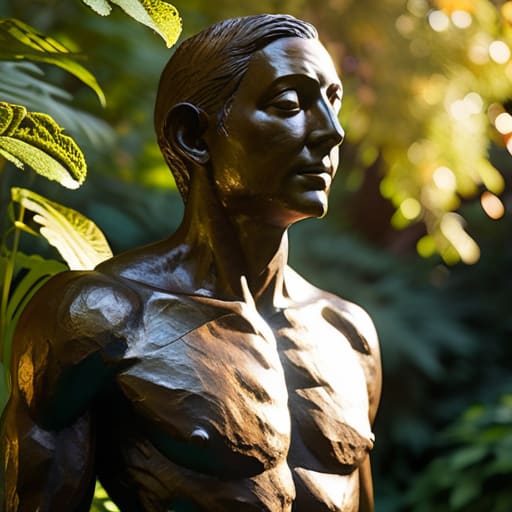
There is a particular kind of alchemy that happens when you step away from the sterile, white walls of a traditional gallery. In a museum setting, you are often a spectator, standing before a frame; but in these open-air spaces, you become a participant in the scene. I find that the most profound outdoor museum experiences aren’t found in the grand, sweeping vistas, but in the way a bronze figure seems to change character as the sun dips below the treeline. The light doesn’t just illuminate the work; it breathes life into it, casting long, shifting shadows that make the metal feel almost flesh and bone.
It requires a certain patience to truly appreciate the intentionality behind the layout. When a designer masters the nuances of landscape art integration, the path itself becomes part of the narrative. You aren’t just walking from Point A to Point B; you are following a curated rhythm of discovery. I often find myself pausing mid-stride, notebook in hand, simply to note how a jagged stone installation plays against the soft, rolling curves of a nearby hill. It’s a reminder that art shouldn’t just be looked at—it should be inhabited.
A Few Notes on How to Truly See
- Arrive when the light is changing. There is a profound difference between seeing a bronze figure under the harsh glare of midday and watching it emerge from the long, soft shadows of the late afternoon. That is when the metal seems to hold its breath.
- Leave the guidebook in your bag for a while. I’ve found that if you rush from one plaque to the next, you’re just checking boxes. Let yourself wander until a particular shape or a certain texture of stone pulls you toward it.
- Bring a small way to record the moment. I always carry my sketchbook, not because I’m an artist, but because the act of trying to draw the curve of a marble shoulder forces me to look at it with more intention than a camera ever could.
- Listen to the silence between the sounds. A sculpture garden isn’t just a visual experience; it’s an acoustic one. Notice how the wind moves through the leaves around a statue, or how the sound of your own footsteps changes when you move from grass to gravel.
- Don’t be afraid of the weather. There is a lonely, beautiful dignity to a garden in the rain or under a heavy mist. The way the moisture clings to the stone adds a layer of life that a perfectly sunny day simply cannot replicate.
What Remains After the Walk
Let the landscape do the heavy lifting; don’t feel the need to rush from one pedestal to the next, but rather let the art and the greenery settle into your thoughts at their own pace.
Pay attention to the interplay of light and shadow, for it is in those shifting, fleeting moments that a static piece of stone truly begins to feel alive.
Carry the stillness with you, understanding that the true value of these gardens isn’t in the checklist of what you saw, but in the quiet clarity you find while standing among them.
The Dialogue Between Stone and Sky
“A sculpture garden isn’t just a collection of objects on display; it’s a conversation between the permanence of carved stone and the fleeting movement of the wind. When you sit long enough, you realize the art isn’t just the statue itself, but the way the light decides to rest upon it for a single, quiet moment.”
Petra Lindgren
The Lingering Echo of Stone and Leaf
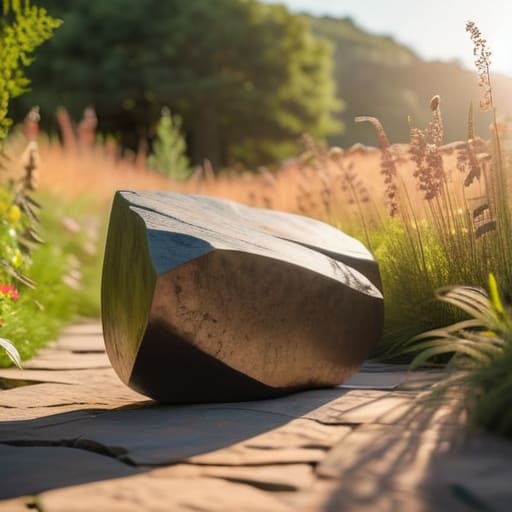
As I sit here in my study, flipping through the sketches in my notebook from this afternoon, I’m struck by how much these gardens demand of us. They aren’t just collections of objects; they are delicate balances of human intention and natural chaos. We’ve talked about the way the light plays across a bronze surface and how the stillness of a garden can act as a sanctuary from the noise of our modern lives. Whether it is the way a granite form anchors a meadow or the way a winding path invites a moment of solitude, these spaces remind us that art is not something to be rushed through. It is something to be absorbed, slowly and deeply, much like the notes of a late-night jazz standard.
I often think that we spend too much of our lives looking for the next big thing, the next loud thing, or the next deadline. But if there is one lesson these quiet, stone-filled paths can teach us, it’s the value of the pause. Don’t just visit a garden to check it off a list; go there to lose your sense of time. Let the shadows stretch and the wind move through the trees until you find that rare, quiet clarity that only comes when we finally stop moving. In the end, it isn’t the grand scale of the sculpture that stays with you, but the peace you found while standing beside it.
Frequently Asked Questions
Is there a particular time of day when the light hits the stone just right for those who want to truly see the textures?
If you’re looking for that specific magic, you must arrive during the “golden hour”—that fleeting window just before sunset. I’ve spent many afternoons sitting with my sketchbook, and there is nothing quite like the way the low, amber light rakes across the grain of weathered granite or the smooth curve of marble. It pulls the shadows out from the crevices, turning a simple stone into a landscape of texture. It’s the best time to truly see.
How do these gardens manage to keep their sense of intimacy when there are other visitors wandering through?
It’s a delicate balance, isn’t it? I’ve noticed these spaces use landscape as a natural buffer. They employ winding paths, dense shrubbery, and strategic elevation changes that break up the sightlines. Instead of one vast, exposed field, you find these little pockets of seclusion. You might be only twenty feet from another soul, yet because the garden directs your eyes toward a specific texture or a quiet corner, it feels as though you’re the only one there.
Are there certain types of sculpture or materials that feel more at home in a garden setting than others?
I’ve always found that weathered materials hold a certain truth in a garden. There’s a lovely dialogue between stone and moss, or the way bronze develops a patina that mimics the changing seasons. While polished marble can feel a bit defiant against the wildness of a hedge, something like cast iron or rough-hewn granite seems to belong there. They don’t fight the landscape; they settle into it, becoming part of the garden’s own slow history.
