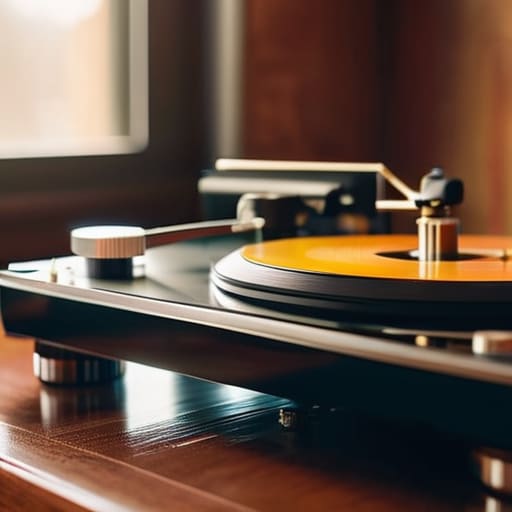
I remember sitting in a cramped, dust-mote-filled basement archive back in the nineties, surrounded by boxes of decaying master tapes and forgotten pressings. There was no digital perfection there, just the heavy, comforting scent of old paper and the warmth of a physical object that had actually existed in the hands of someone else. Lately, I’ve watched this sudden explosion of “vinyl culture” take over the mainstream, and frankly, it irritates me. It seems to have become more about the aesthetic of the sleeve or the status of owning a rare pressing than the actual, quiet act of listening. We’ve turned a beautiful, slow ritual into a frantic race for the next shiny collectible, forgetting that the soul of the music isn’t found in the price tag.
I’m not here to sell you on expensive, high-end gear you don’t need, nor am I interested in the gatekeeping that plagues modern collectors. Instead, I want to share what I’ve learned from forty years of handling history: how to actually connect with the sound and find the stillness that a record demands of you. I’ll guide you through the nuances of building a collection that actually means something, focusing on the music and the moment rather than the hype.
Table of Contents
Analog Sound Quality vs Digital Why We Need the Warmth
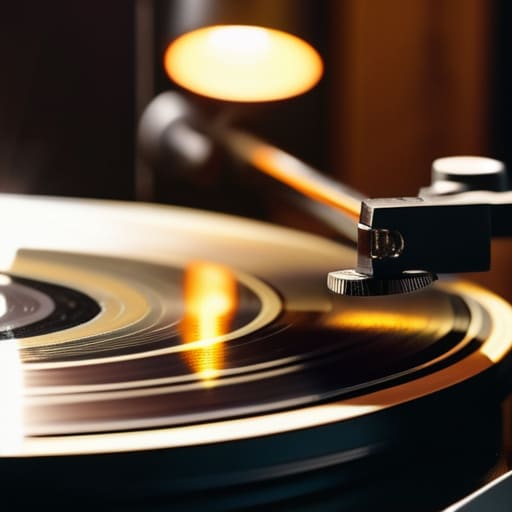
I often find myself sitting in the dark, watching the light catch the spinning disc, wondering why we’ve become so obsessed with perfection. Digital files are mathematically flawless; they are clean, efficient, and utterly sterile. But when we talk about analog sound quality vs digital, we aren’t really talking about precision. We are talking about the imperfections that make music feel alive. There is a certain “roundness” to a record—a subtle, harmonic richness—that a compressed stream simply cannot replicate. It’s the difference between looking at a high-resolution photograph of a forest and actually feeling the humidity and the scent of pine on your skin.
Digital music is something you consume, but vinyl is something you experience. When you sit down with a proper setup, you aren’t just hitting play; you are engaging in a dialogue with the artist. That slight crackle, that tiny pop between tracks, it acts like a heartbeat. It reminds you that the sound was captured by physical needles hitting physical grooves. To me, that humanity in the texture is what keeps us coming back to the turntable when the rest of the world feels too polished and too fast.
The History of Record Collecting Tracing Our Shared Melancholy
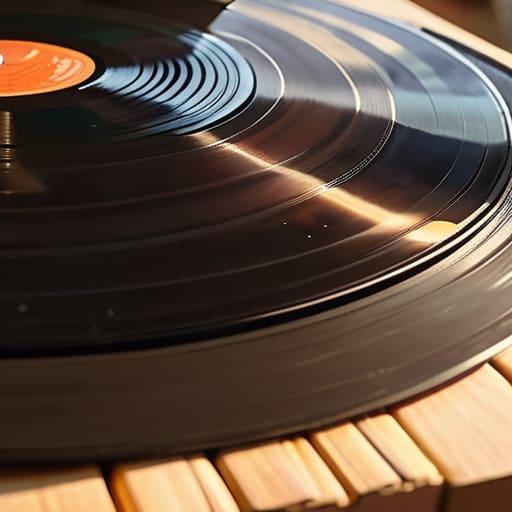
I’ve spent many afternoons tucked away in the back corners of dusty shops, where the air feels thick with the ghosts of previous owners. To me, the history of record collecting isn’t just a timeline of technology; it’s a lineage of people looking for something tangible to hold onto. I think back to the early days of my career in the archives, realizing that a record is much like a historical document. It carries the physical imprint of a specific moment in time, a sonic fingerprint that a mere stream of data can never replicate.
There is a certain, beautiful loneliness in crate digging culture—that quiet, rhythmic shuffle of cardboard sleeves that feels almost like a prayer. You aren’t just looking for music; you are searching for a connection to the hands that held that same sleeve forty years ago. Whether you are just beginning to piece together a modest turntable setup for beginners or you are deep into the pursuit of something more elusive, you are participating in a long-standing human tradition of seeking out the tangible in an increasingly ephemeral world.
Small Rituals for a Life Played at 33 RPM
- Don’t rush the setup. There is a quiet, almost meditative grace in pulling a sleeve from its jacket and carefully inspecting the disc for dust before you even touch the turntable. It’s a moment to breathe.
- Learn the language of the crates. When you’re digging through a stack at a local shop, don’t just look for the names you know; look for the worn edges and the handwritten notes on the sleeves. The history is often hidden in the wear and tear.
- Invest in a proper cleaning kit, but treat it like a ritual rather than a chore. A gentle wipe with a carbon fiber brush isn’t just about sound quality; it’s about showing respect to the music before it even begins to play.
- Create a dedicated listening space. You don’t need a grand hall, but you do need a chair that invites you to sit still. If you’re checking your phone every two minutes, you aren’t listening to a record; you’re just waiting for it to end.
- Embrace the imperfections. That slight pop or the occasional surface hiss isn’t a flaw to be feared—it’s the texture of the medium. It reminds you that the music is a physical thing, existing in the same room as you, breathing through the static.
The Quiet Lessons of the Groove
It isn’t about the pursuit of perfect, sterile sound; it’s about embracing the warmth and the imperfections that make a piece of music feel alive and human.
Collecting records is an act of preservation, a way to hold onto the tangible ghosts of our musical history in an increasingly weightless world.
When we choose to sit with a record, we aren’t just listening to music—we are reclaiming our time and teaching ourselves how to be still.
The Weight of a Moment
A digital file is a ghost—it’s there, but it has no body. But a record? A record has weight, a texture, and even a flaw or two that makes it feel alive. When you sit with a piece of vinyl, you aren’t just consuming music; you are making a quiet pact with the artist to actually stay in the room until the song is done.
Petra Lindgren
The Final Groove
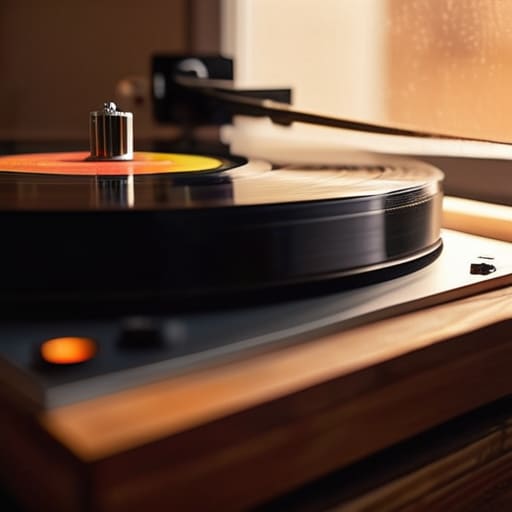
When we strip away the convenience of a streaming algorithm, we are left with the tangible weight of what we actually love. We’ve looked at how the physical warmth of an analog signal touches us differently than a sterile file, and how the very act of collecting is a way of anchoring ourselves to a shared, often melancholic history. It isn’t just about the music itself, but about the intention behind the play. Whether it is the ritual of cleaning a sleeve or the way a certain jacket feels under your fingertips, these small acts turn a simple listening session into a deliberate ceremony of presence.
As I sit here in the dim light of my study, watching the shadows dance across my sketches, I am reminded that the world will always try to pull us toward the next, faster thing. But there is a quiet rebellion in choosing to slow down. I encourage you to find your own version of that pause—to seek out the things that demand your full attention and reward you with something lasting and real. Don’t just consume the noise of the world; find the records, the venues, and the moments that stay with you long after the needle reaches the center and the room falls silent.
Frequently Asked Questions
How do I begin building a collection without feeling overwhelmed by the sheer volume of music out there?
Don’t try to map the entire ocean; just start with the tide that pulls at you. I always tell people to ignore the “essential” lists and follow their own curiosity. Go to a shop, let your hands wander, and buy that one album that makes you want to sit still. Build your collection like an archive—one meaningful piece at a time. It’s not a race to own everything; it’s about finding what stays.
Is it worth the investment to find a vintage turntable, or should I stick to modern players?
I’ll tell you this: a modern, plastic suitcase player might spin a disc, but it won’t let you hear it. If you can find a sturdy vintage piece—perhaps a Technics or a Dual—it’s worth every penny of the hunt. There is a weight to the mechanical components, a soul in the way the tonearm settles. Don’t just buy a machine; invest in an instrument that respects the music.
How can I tell if a used record is actually in good condition before I commit to bringing it home?
You have to trust your hands as much as your ears. When I’m digging through a crate, I don’t just glance; I pull the sleeve out gently and hold the disc toward the light. I’m looking for those deep, jagged scratches that no amount of cleaning can fix. If it feels heavy and the surface is smooth, that’s a good sign. But if you see hairline marks, listen closely for a pop before you buy.
