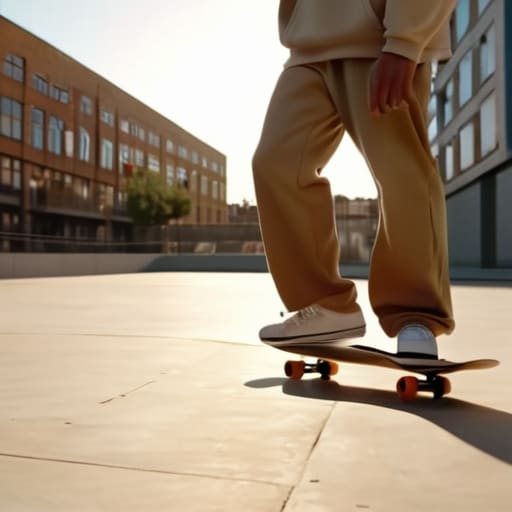
I was sitting in a dimly lit corner of a jazz club last Tuesday, watching the rain streak against the glass, when I found myself thinking about the sheer noise of modern trends. It seems everywhere you look now, people are trying to buy a “look” rather than live it. There is this exhausting, expensive myth circulating that skateboarding fashion requires a curated collection of high-priced, logo-heavy streetwear that feels more like a costume than a way of life. It bothers me. To my mind, the most compelling style isn’t something you pull off a mannequin; it’s the way a heavy canvas jacket softens over years of use, or how a certain pair of trousers holds the weight of a thousand late nights spent under streetlamps.
I’m not here to tell you which brand is currently dominating the social media feeds or which overpriced sneaker is worth your paycheck. Instead, I want to talk about the soul of the aesthetic—the pieces that actually endure. We are going to look past the seasonal hype to find the functional beauty in what people wear when they are actually moving through the world. My promise to you is a simple, honest exploration of how to build a wardrobe that feels as intentional and lasting as a well-pressed vinyl record.
Table of Contents
Tracing the Soul of Skateboarding Aesthetic History
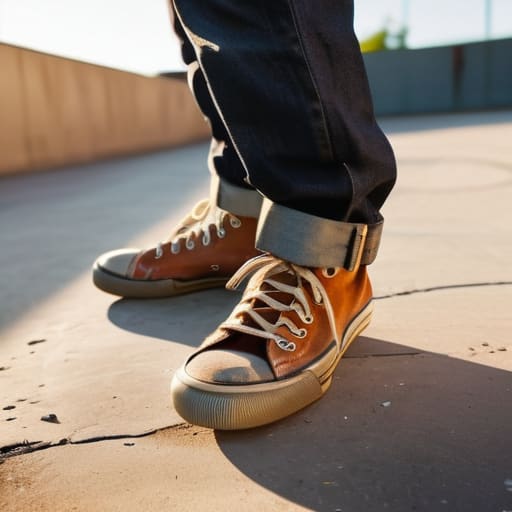
When I look back through the archives of subcultures, I find that nothing tells a story quite like the evolution of a uniform born from necessity. The skateboarding aesthetic history isn’t found in glossy magazines, but in the frayed hems and scuffed leather of those who lived on the pavement. In the early days, it wasn’t about a “look” at all; it was about survival. You wore what could withstand the friction of concrete and the inevitable tumble. There was a rugged honesty in that functional skate wear—heavy canvas pants and sturdy shoes that were built to be destroyed.
As the decades drifted by, that utilitarian grit began to bleed into the wider world. We saw the rise of oversized streetwear silhouettes that traded the strictness of traditional tailoring for a sense of effortless, rebellious ease. It was a shift from mere protection to a visual language of belonging. You could see the influence in the way the lines of a jacket softened or how a specific pair of skater shoe styles could signal an entire lifestyle without a single word being spoken. It’s a history written in wear and tear.
The Quiet Grace of Durable Skate Apparel
There is a quiet, almost archival dignity in clothing that is built to endure. When I look at the evolution of durable skate apparel, I don’t just see fabric; I see a history of resilience. It’s the heavy-duty canvas of a pair of work pants or the reinforced stitching on a jacket that has survived countless falls against concrete. Unlike the fleeting, disposable trends that seem to clutter our modern streets, these pieces possess a certain structural integrity that demands respect. They aren’t meant to be pristine; they are meant to be lived in, weathered by the very grit that defines the subculture.
I’ve always found that there is a profound beauty in how functional skate wear eventually tells a story through its wear and tear. A scuffed toe on a pair of classic suede shoes or the faded patina on a heavy cotton tee speaks of a night spent under streetlights, moving through the city with intention. These aren’t just garments; they are tools of a craft. There is a steady, unhurried grace in wearing something that was designed to last long after the initial excitement of the purchase has faded.
The Small Details: How to Wear the Story, Not Just the Label
- Seek out the weight of real fabrics. There is a profound difference between a flimsy, fast-fashion shirt and a heavy-gauge cotton tee that holds its shape even after a long afternoon of movement. Look for pieces that feel substantial in your hands; they are the ones that will actually age with you.
- Embrace the beauty of the fray. In my years in the archives, I learned that the most interesting objects are the ones that show their history. A pair of chinos with a slight fade at the knees or a canvas jacket softened by years of wear tells a much better story than something pulled straight from a plastic wrap.
- Prioritize the silhouette over the trend. Trends are like fleeting radio signals—they come and go, leaving nothing behind. Instead, look for classic proportions: a slightly oversized fit that allows for ease of motion and a sense of quiet confidence. It’s about how the clothes move with you, not how they look in a static photo.
- Invest in footwear that respects the pavement. A good pair of skate shoes shouldn’t just be a fashion statement; they should be tools. Look for vulcanized soles and reinforced stitching. There is a certain dignity in a shoe that has been worn down by the very streets it was meant to navigate.
- Curate a palette of understated tones. While the bright colors of youth have their place, there is a lasting elegance in earth tones, deep navies, and charcoal greys. These colors don’t shout for attention, which allows the character of the person—and the texture of the garment—to take center stage.
The Lasting Resonance of the Aesthetic
True style in the skate world isn’t found in the fleeting trends of a season, but in the way a garment carries the history of its movement—the fraying edges and the lived-in textures that tell a story.
There is a profound dignity in durability; choosing clothes that are built to withstand the friction of the pavement ensures that your wardrobe, much like a good jazz record, only gains character with time.
To appreciate the aesthetic is to look past the surface flash and notice the intentionality behind the utility, finding beauty in the quiet marriage of function and personal expression.
The Texture of a Life Lived Fast
“There is a profound, quiet dignity in a garment that has been frayed by the pavement and faded by the sun; it isn’t just clothing, but a tactile map of every risk taken and every late afternoon spent chasing the perfect line.”
Petra Lindgren
The Last Note of the Evening
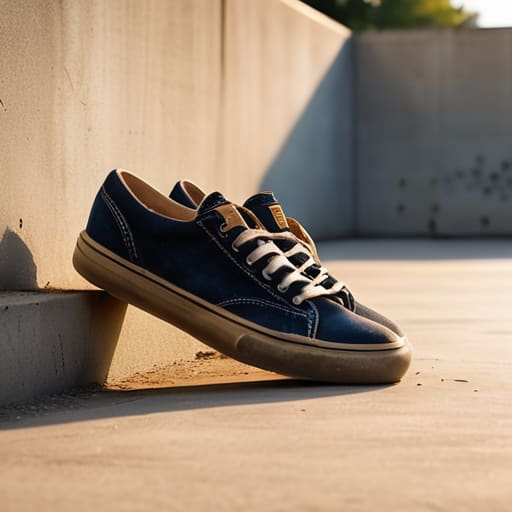
When we look back at the evolution of skateboarding style, it becomes clear that we aren’t just discussing fabric and thread. We have traced a line from the raw, functional grit of the early pioneers to the more deliberate, curated aesthetics seen today. It is a history written in scuffed suede, faded denim, and the heavy cotton of oversized tees—pieces that have earned their place through persistence and movement. Whether it is the historical weight of a vintage graphic or the sheer, quiet utility of a well-worn pair of trousers, these garments serve as a visual record of the streets themselves. Ultimately, skateboarding fashion is about the beauty of things that endure, proving that style is most profound when it is shaped by the very act of living.
As I sit here in the dim light of a late evening, I find myself thinking about how much we overlook in our rush to keep up with the next trend. There is a profound dignity in a garment that carries the marks of its journey, much like the grooves on a well-loved jazz record. I hope you find yourself looking a little closer at the textures and the histories surrounding you. Don’t just chase what is new; instead, seek out the pieces that possess a true sense of character. After all, the most meaningful things in life—much like the best melodies—are the ones that stay with us long after the lights go up.
Frequently Asked Questions
How does the shift toward high-fashion streetwear change the way we view the authentic, worn-in look of old-school skaters?
It feels a bit like seeing a vintage jazz record repackaged in shiny, plastic casing. When high fashion adopts the skater aesthetic, it often loses the very thing that made it meaningful: the history etched into the fabric. To me, a scuffed pair of suede shoes tells a story of a Tuesday afternoon spent chasing the light. High fashion offers the silhouette, but it can’t quite replicate the quiet dignity of a garment that has actually lived.
Are there certain vintage pieces or specific eras of skate clothing that hold more cultural weight than others?
If you’re looking for the real weight of the era, look toward the late eighties and early nineties. There’s a specific gravity to those oversized, heavy-duty flannels and the boxy silhouettes of that period. They weren’t just clothes; they were armor against the concrete. Finding a well-preserved piece from that golden age feels like uncovering a rare pressing of a classic jazz record—it carries a certain intentionality that modern, mass-produced trends simply can’t replicate.
Beyond just durability, how does the choice of fabric and silhouette reflect the actual movement and rhythm of the sport?
It’s more than just toughness; it’s about the physics of a moment. When I watch a skater, I see how heavy denim or thick canvas holds a certain shape, even in motion. The silhouette isn’t just about style—it’s about the way a baggy trouser catches the air or how a structured jacket allows for that sudden, sharp pivot. The fabric dictates the rhythm, moving with the body rather than fighting against it.
