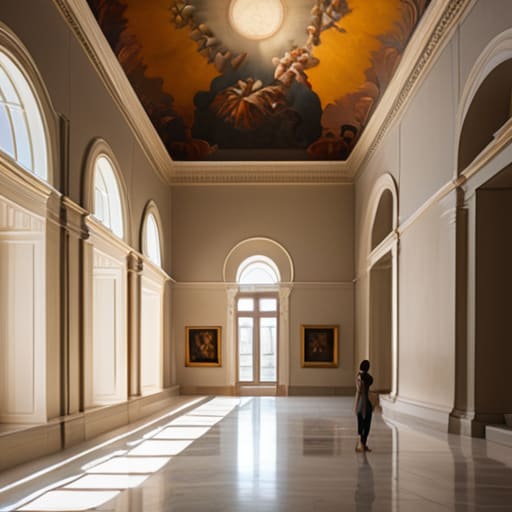
I remember standing in the middle of a grand gallery last autumn, surrounded by a crowd that seemed more interested in capturing the perfect, filtered photograph than actually looking at the art. There was a frantic, buzzing energy in the air—people checking their watches, rushing from one masterpiece to the next as if they were completing a grocery list. It felt less like a cultural pilgrimage and more like a race. Most of the standard museum visiting tips you’ll find online tell you how to optimize your route or save a few dollars on admission, but they completely ignore the most important part: how to actually feel the weight of the history standing right in front of you.
I’m not here to help you “conquer” an exhibit or check off a list of famous names. Instead, I want to share a few quiet, practical ways to reclaim your time and your attention. My goal is to offer you a different set of museum visiting tips—the kind born from forty years of handling delicate archives and wandering through silent halls. We’re going to talk about how to find the soul of a collection and how to ensure that when you finally walk out those heavy doors, the experience actually stays with you.
Table of Contents
Finding Stillness Best Times to Visit Museums
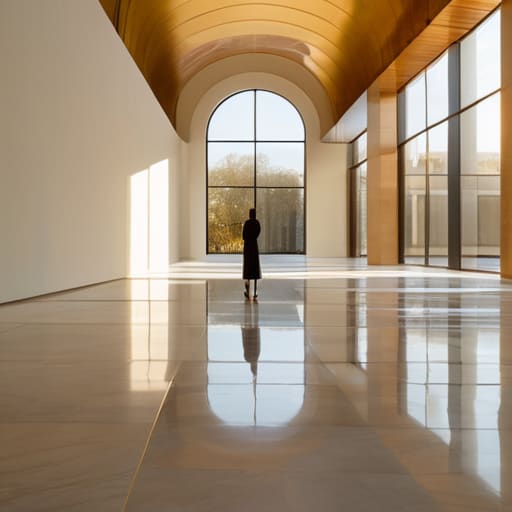
There is a particular kind of loneliness in a crowded gallery that I’ve always found quite jarring. When you are shoulder-to-shoulder with a tour group, the art becomes mere background noise to the shuffle of feet and the hum of chatter. If you want to truly connect with a piece, you have to seek out the quiet. I’ve found that the best times to visit museums are almost always during the first hour of opening or, if the institution allows, the final hour before the doors close. There is a certain magic in that early morning stillness, where the light hits the marble just right and the air feels expectant.
When the crowds do arrive, I suggest finding a bench in a less-traversed wing. It’s in these peripheral spaces that you can truly focus on maximizing your museum experience without feeling rushed. I often pull out my notebook during these lulls, sketching the way a shadow falls across a sculpture. It forces me to slow down and observe the nuances that most people miss in their hurry to check off a list.
Maximizing Museum Experience Through Quiet Observation
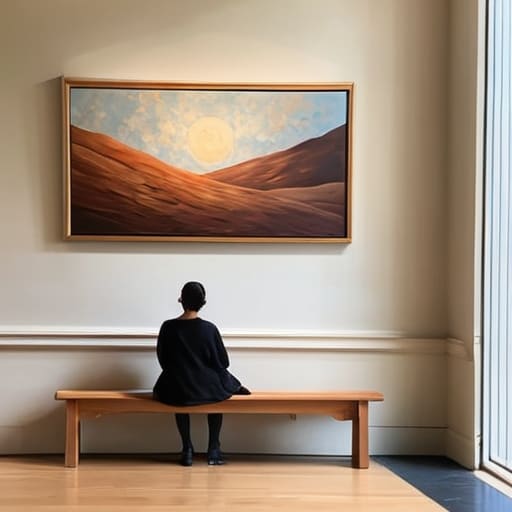
Once you’ve found that quiet corner, the real work begins. I often find that people treat a gallery like a checklist, rushing from one masterpiece to the next as if they’re racing against a clock. But if you truly want to focus on maximizing your museum experience, you have to learn the art of the long stare. I like to pick a single piece—perhaps a landscape with heavy brushwork or a portrait with a haunting gaze—and simply sit with it. Don’t worry about what the plaque says right away. Let the colors settle into your eyes first.
When you finally do turn to the text, don’t just skim for dates and names. I’ve spent years learning how to read museum labels as a way to deepen the conversation with the artist, rather than just collecting facts. Look for the small details the curator highlighted—the choice of pigment or the historical context of a single gesture. It’s a slow, deliberate process, much like listening to a complex jazz composition. If you rush, you miss the nuance; if you linger, the art starts to speak back.
The Art of Noticing: How to Truly Engage with a Collection
- Leave the map in your pocket for a while. It is far too easy to treat a museum like a checklist to be completed, but the real magic happens when you allow yourself to get lost. Pick a wing that calls to you and let your feet decide where the evening goes.
- Bring a small notebook, much like the one I carry. When a particular sculpture or a stroke of oil paint catches your eye, don’t just snap a hurried photo on your phone. Sit for a moment and try to sketch the lines or jot down how the light hits the surface. It forces a level of intimacy that a digital lens simply cannot capture.
- Listen to the silence between the footsteps. Museums have a specific acoustic—a heavy, respectful hush that most people ignore in their rush to the next exhibit. If you stop moving and just listen, you begin to feel the weight of the history surrounding you.
- Don’t be afraid to stand in front of a single piece for ten minutes. There is a strange, modern pressure to see everything, but I have always found that seeing one thing deeply is worth more than seeing a thousand things superficially. Let the details sink in until the image stays with you.
- Read the labels, but read them slowly. I used to spend my days archiving these very records, and I can tell you that the stories tucked into those small placards are the soul of the collection. Treat each description like a short story, and let it color your perception of the object before you.
The Quiet Essentials for a Meaningful Visit
Resist the urge to see everything; it is far better to let three pieces truly speak to you than to skim a hundred without feeling a thing.
Bring a small notebook to jot down a single thought or a quick sketch, as the act of writing helps anchor a fleeting moment into a lasting memory.
Treat the museum like a jazz set—don’t rush to the crescendo, but instead find the rhythm in the silence and the beauty in the slow transitions between rooms.
The Art of Lingering
A museum isn’t a checklist to be completed before the doors lock; it’s a conversation with the past. If you find yourself rushing to see every room, you aren’t really seeing anything at all. Stop, find a bench, and let one single piece of history tell you its story.
Petra Lindgren
The Quiet After the Gallery Lights Dim
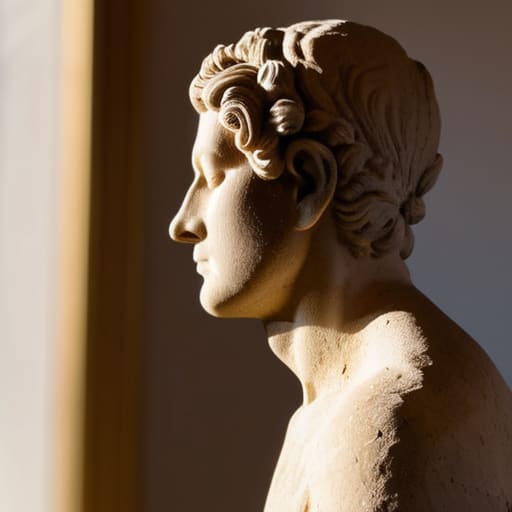
As you prepare to step back out into the rush of the city, I hope you carry these small rituals with you. Remember that a museum isn’t a checklist to be completed or a series of boxes to be ticked off; it is a conversation between you and the past. By choosing the right hours to visit, seeking out the stillness of a quiet corner, and refusing to rush through the corridors, you transform a simple outing into something much more profound. We have spent so much of our lives trying to see everything at once, but true understanding only comes when we allow ourselves to linger on a single brushstroke or the way the light falls across a marble bust.
Ultimately, the goal of a visit shouldn’t be to say you saw every room, but to find that one piece of history that makes your heart skip a beat. Life is often too loud and far too fast, but these spaces offer us a rare chance to reclaim our attention. Don’t be afraid to sit on a wooden bench for twenty minutes just to watch the shadows shift. In the end, it isn’t the scale of the collection that matters, but the depth of your connection to the details. Go slowly, stay curious, and let the beauty of the quiet things stay with you long after you’ve walked through the exit.
Frequently Asked Questions
Is it better to wander aimlessly or should I follow a specific map to avoid feeling overwhelmed?
I’ve always found that a rigid map is just another way of rushing. When I was archiving, I learned that the most important details often hide in the margins, not the highlights. If you follow a strict itinerary, you’re just checking boxes. Instead, give yourself a loose direction, then allow yourself to wander. Follow a thread that catches your eye—a certain shade of blue or a curious silhouette—and let that lead you.
How do I find those quiet, hidden corners when a museum is feeling a bit too crowded?
When the crowds begin to press in, look toward the periphery. Most people gravitate toward the “star” exhibits in the center of the galleries, creating a sort of frantic orbit. I’ve found that if you slip into the smaller, secondary rooms—the ones tucked away behind the grand staircases—the air changes instantly. Seek out the alcoves or the dimly lit corners near the exits. That’s where the museum finally begins to breathe.
Are there certain types of exhibits or galleries where I should spend more time sitting and reflecting?
I’ve always found that the grand, sweeping landscapes or those heavy, textured oil portraits demand a bit more patience. Don’t just glance and move on. Find a bench near the works that feel “heavy” to you—the ones where the lighting seems to pull you in. Sit there. Let your eyes wander from the brushstrokes to the shadows. Some pieces aren’t meant to be seen; they’re meant to be felt, slowly.
