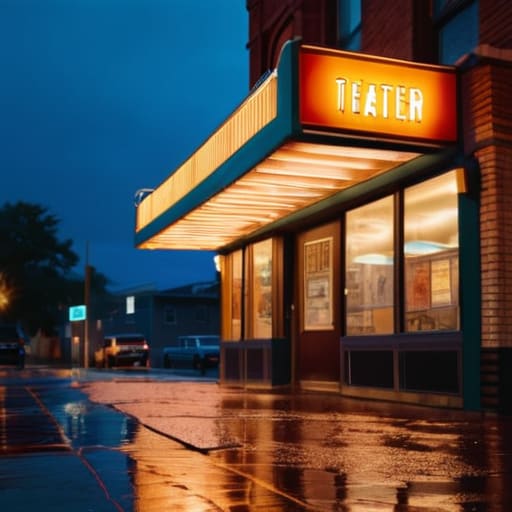
I remember sitting in the back row of a drafty, single-screen theater in Ann Arbor back in ’78, the smell of stale popcorn and old velvet upholstery hanging heavy in the air. There was no digital sheen, no aggressive marketing campaign, just a flickering projector and a story that felt like it had been whispered directly into my ear. Nowadays, when people search for an independent cinema guide, they are often met with a dizzying, frantic list of “must-watch” trends that feel more like social media chores than actual art. We’ve lost that sense of quiet discovery in favor of chasing what’s loud and immediate.
I have no interest in helping you check boxes on a trendy watchlist. Instead, I want to offer you something a bit more substantial. This isn’t a loud manifesto of what’s popular; it is a curated, honest independent cinema guide designed for those who want to find the films that actually linger in the soul long after the credits roll. I’ll share the paths I’ve taken to find the gems hidden beneath the noise, focusing on stories that demand a little patience and offer a lifetime of reflection.
Table of Contents
Finding Soul in Arthouse Film Festivals
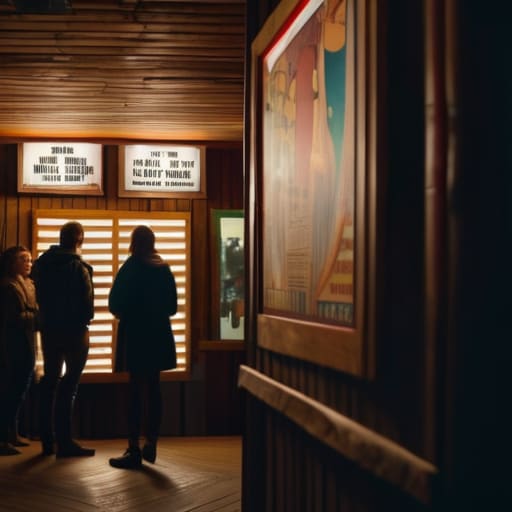
There is a particular kind of magic found in the crowded, dimly lit lobbies of arthouse film festivals. Unlike the polished, predictable atmosphere of a multiplex, these gatherings feel alive, fueled by a shared sense of discovery. I’ve always found that the best stories aren’t delivered via a massive marketing campaign, but through the raw, unfiltered energy of underground filmmaking movements that refuse to compromise. When you sit in a room where everyone is leaning forward, waiting for a single frame to shift, you aren’t just watching a movie; you are witnessing a moment of genuine human connection.
I often find myself sketching the ornate molding of the old theaters that host these events, reminded that the venue is just as much a character as the actors on screen. To truly appreciate this craft, one must make a conscious effort toward supporting local indie theaters that act as the sanctuaries for these works. These spaces are the keepers of our cultural memory. By stepping into them, we ensure that the quiet, contemplative voices of cinema aren’t drowned out by the roar of the mainstream.
The Magic of Supporting Local Indie Theaters
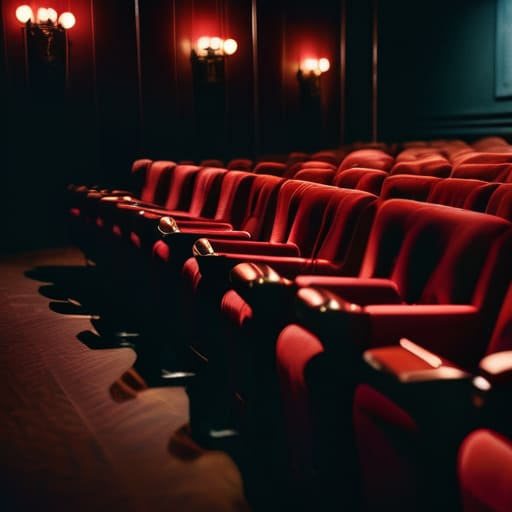
There is a specific kind of magic found in the creak of a floorboard in a room that hasn’t been renovated since 1974. While the multiplexes offer comfort and predictability, they often lack the character that makes a movie feel like an event. When I find myself supporting local indie theaters, I’m not just buying a ticket; I’m participating in a ritual. There is something deeply moving about sitting in a dimly lit room with strangers, all of us collectively holding our breath during a quiet, pivotal scene. You can feel the shared heartbeat of the audience in a way that a sterile cinema simply cannot replicate.
These small venues often serve as the lifeblood for underground filmmaking movements, providing a sanctuary for stories that are too raw or too strange for the big chains. They are the keepers of the flame, preserving a sense of community that is rapidly vanishing in our digital age. I often find myself sketching the ornate molding of these old projection rooms, reminded that the architecture itself is part of the storytelling. It’s in these dusty, beautiful spaces that cinema truly feels alive.
Small Habits for a Deeper View
- Embrace the silence of the single-screen house. Don’t be in a rush to check your phone or glance at the clock; let the darkness settle around you until you’re truly part of the room.
- Read the program notes before the lights dim. As an archivist, I can tell you that the context—the director’s struggle, the era of production, the film’s lineage—is often as beautiful as the celluloid itself.
- Seek out the “uncomfortable” selections. If a film’s description feels a bit challenging or strange, that’s usually a sign it has something worth saying. The movies that stir us are rarely the ones that make us feel perfectly at ease.
- Visit the theater alone once in a while. There is a specific kind of intimacy in watching an indie film by yourself; it allows you to process the imagery without the distraction of a companion’s reaction.
- Keep a small notebook by your seat. I find that jotting down a single striking image or a line of dialogue immediately after the credits roll helps anchor the experience before the rush of the outside world pulls you back.
The Lasting Impressions of the Small Screen
Seek out films that challenge your perspective rather than those that merely offer an escape; the stories that stay with us are often the ones that leave us a little unsettled.
Prioritize the atmosphere of the viewing experience, from the hushed silence of a local cinema to the shared breath of a live audience, as these details anchor the memory.
View independent cinema not as a hobby, but as a deliberate pause in a rushed world—a way to reclaim your time and notice the nuances of the human condition.
The Texture of a Story
“A true guide to independent cinema isn’t a list of titles to check off; it is an invitation to sit in the dark, let the silence settle, and allow a film to leave its fingerprints on your memory long after the projector stops spinning.”
Petra Lindgren
The Afterglow of the Screen
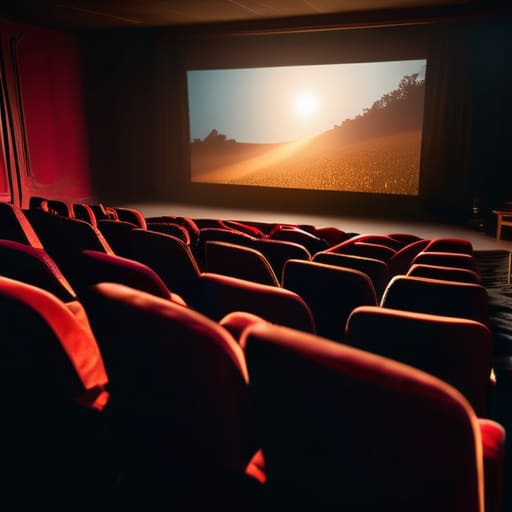
As we look back at the path we’ve traced, it becomes clear that seeking out independent cinema is about more than just watching a movie; it is about a deliberate choice to engage with the world on a deeper level. Whether you are navigating the curated chaos of an arthouse festival or sitting in the velvet-lined stillness of a local indie theater, you are participating in something vital. We have discussed how these spaces serve as the lungs of our culture, breathing life into stories that the massive studios often overlook. By choosing these smaller, more intimate venues, we ensure that the art of the slow burn survives in an era of instant gratification. It is in these quiet, flickering moments that we truly find the connection we’ve been looking for.
In the end, I hope you leave your home tonight not just looking for entertainment, but looking for a feeling. Don’t settle for the loud, hollow spectacle that vanishes the moment you step back onto the sidewalk. Instead, seek out those films that act like a fine piece of jazz—the kind that settles into your bones and stays with you through the long walk home. Let yourself be moved, let yourself be challenged, and most importantly, let yourself linger in the silence after the credits roll. That is where the real story begins.
Frequently Asked Questions
How do I distinguish between a truly meaningful arthouse film and something that's just being difficult for the sake of it?
It’s a fine line, isn’t it? I often ask myself the same thing while sitting in a darkened theater. To me, the difference lies in the intention. A meaningful film uses silence or abstraction to invite you in, creating a space for reflection. It feels like a conversation, even if it’s a quiet one. If a film feels like it’s merely testing your patience without offering a single moment of genuine connection, it’s likely just being difficult.
Are there any specific ways to find these smaller, independent screenings if they aren't being advertised on the usual major platforms?
You won’t find the best gems on a glowing smartphone screen. I’ve learned that the real treasures are often found in the physical world. Keep an eye on the bulletin boards in your local coffee shops or used bookstores. I also suggest frequenting those small, independent cinemas just to look at their printed calendars. Sometimes, the most meaningful screenings are whispered about in jazz clubs or tucked away in the back of a community newsletter.
For someone used to the polished spectacle of big studios, how do I prepare myself to appreciate the slower, more deliberate pace of indie storytelling?
It’s a bit like moving from a loud, crowded street into a quiet library. At first, the silence feels heavy, almost uncomfortable. My advice? Stop looking for the fireworks. Instead, lean into the stillness. Let the camera linger on a character’s expression or the way the light hits a room. If you stop hunting for the next big explosion, you’ll start noticing the quiet truths that actually stay with you.
