
I remember sitting in a cramped, dimly lit basement club in Berlin last autumn, the kind of place where the air feels thick with history and sweat. I wasn’t there for the spectacle or the neon lights; I was there because I wanted to see if the rumors were true. People often dismiss techno music as nothing more than a repetitive, mechanical noise designed for mindless dancing, but as the bass began to thrum against my chest, I realized they were missing the point entirely. It wasn’t noise; it was a rhythmic architecture, a steady, driving force that demanded you stop thinking about your mortgage or your to-do list and simply exist within the pulse.
I’m not here to sell you on the frantic energy of a strobe-lit warehouse or the latest overpriced festival trends. Instead, I want to peel back the layers of this genre and look at what remains when the ringing in your ears finally fades. I promise to offer you a quietly honest perspective on why these machines can sometimes touch the soul more deeply than a symphony. We’re going to explore the texture, the history, and the meditative stillness that can be found within the machine.
Table of Contents
The Four on the Floor Beat Structure and Its Soul

When I sit in a dimly lit club, watching the shadows dance against the brickwork, I’m rarely focused on the melody. Instead, my eyes drift to the rhythmic pulse that anchors the room. That steady, relentless four on the floor beat structure is more than just a metronome; it is a heartbeat. It’s a primitive, driving force that strips away the complexities of the outside world, leaving you with nothing but the immediate present.
There is a certain honesty in that repetition. Unlike the frantic, layered compositions I used to catalog in my archives, this is about the singular strength of the kick drum. It’s often crafted through meticulous synthesizer drum machine production, where the warmth of the analog gear meets the cold precision of the machine. When that beat locks in, it creates a sense of inevitability. You don’t just hear it; you feel it settling into your bones, demanding that you finally stop rushing and simply exist within the cadence.
Tracing the Berlin Techno Scene History Through Dimmed Lights
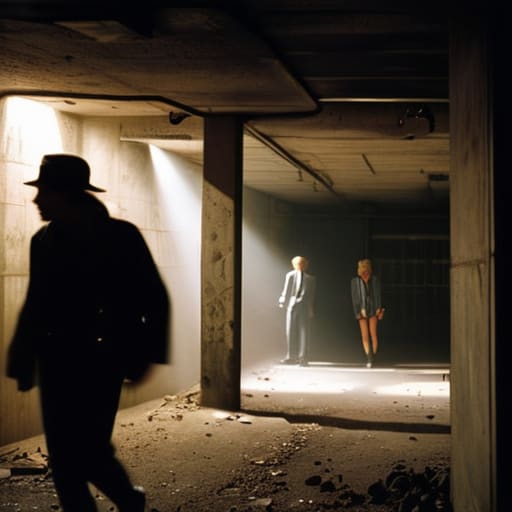
To understand the Berlin techno scene history, one must look past the neon and into the concrete shadows of the post-Wall era. I often think back to the archival records of those early nineties basement gatherings; they weren’t just parties, they were a way for a fractured city to stitch itself back together. In those damp, industrial spaces, the music served as a singular, rhythmic pulse that ignored the political borders above ground. It was a time of raw, unpolished energy where the distinction between the dancer and the architecture seemed to dissolve entirely.
As the years progressed, we witnessed a fascinating techno rave culture evolution, moving from those chaotic, lawless warehouses into more curated, atmospheric sanctuaries. The sound began to refine itself, drifting into various minimal techno subgenres that favored space and silence just as much as the percussion. There is a certain dignity in that transition—a move away from sheer volume toward a more nuanced, cerebral experience. Today, when I sit in a dimly lit club, I don’t just hear the beat; I hear the echoes of those decades of transformation.
A Few Notes on Navigating the Pulse
- Don’t feel the need to rush to the center of the floor. Sometimes, the best way to experience a set is to find a quiet corner near the back, where you can watch the shadows dance against the walls and let the rhythm settle into your bones without the pressure of the crowd.
- Listen for the spaces between the beats. To the untrained ear, it might sound like a relentless machine, but if you slow your breathing and really listen, you’ll find the subtle textures and the intentional silences that give the music its depth.
- Leave your phone in your pocket. There is a certain sanctity to a dark room and a heavy bassline that shouldn’t be interrupted by a glowing screen. If you want to remember the night, do it through your senses, not a lens.
- Wear something that allows you to move, but keep it simple. This isn’t a place for vanity or elaborate costumes; it’s a place for presence. You want to be able to lose yourself in the sound without being distracted by your own reflection.
- Embrace the solitude. Even in a room filled with hundreds of people, techno can be a deeply solitary experience. Don’t be afraid to go alone; it’s often in that quiet, personal connection to the beat that you find the most clarity.
The Resonance of the Rhythm
Beyond the repetitive pulse, the “four on the floor” beat acts as a steady anchor, offering a rare, meditative space to stop rushing and simply exist within the sound.
The history of techno, particularly in Berlin, is more than just a timeline; it is a testament to how music can provide a sense of sanctuary and shared identity in the shadows.
To truly experience techno is to embrace the slow, intentional details—the way the light hits the room and how the music lingers in your mind long after the night has ended.
The Rhythm of Presence
“People mistake the repetition of a techno track for a lack of complexity, but they miss the point entirely; it isn’t about the notes being played, it’s about the space they create between them, forcing you to finally stop rushing and just exist in the pulse.”
Petra Lindgren
The Echo in the Silence
When we step back from the strobe lights and the relentless thrum of the bass, we see that techno is far more than just a collection of mechanical sounds. It is a lineage that stretches from the industrial grit of Berlin to the mathematical precision of the four-on-the-floor beat, serving as a vessel for both history and human connection. We have traced its roots through darkened rooms and explored how a simple, repetitive rhythm can act as a metronome for the soul, stripping away the noise of our daily lives until only the pulse remains. It is a genre that demands you stop running and simply exist within the cadence of the machine.
As I sit here in the quiet of my study, sketching the heavy lines of a brickwork facade, I find myself thinking about what remains once the music finally stops. The true magic of a night spent lost in the rhythm isn’t found in the chaos, but in the lingering sense of stillness that follows it. I hope you find your own version of that pause—a moment where the world slows down enough for you to actually feel the weight of the air and the depth of the shadows. Don’t just listen to the music; let it teach you how to find beauty in the repetition of life itself.
Frequently Asked Questions
How does one find the distinction between mere noise and the intentional rhythm of a well-crafted techno set?
It comes down to listening for the architecture of the sound. Mere noise is a blunt instrument—it hits you, but it doesn’t hold you. A well-crafted set, however, is built with intention; you can hear the subtle layers unfolding, much like the way a city reveals itself in the quiet hours. When you stop fighting the volume and start noticing how the percussion breathes and shifts, you realize it isn’t chaos. It’s a conversation.
Is there a way to appreciate this music without the overwhelming sensory overload of a modern club environment?
I find that the best way to listen is to strip away the spectacle. You don’t need a strobe light or a thousand strangers to feel the pulse. I often put on a well-worn record at home, dim the lamps low, and just let the rhythm settle into the room. It’s about finding that singular, steady heartbeat in the silence of your own living room, rather than fighting through the chaos of a crowd.
How has the evolution of digital production changed the "soul" of the music compared to the analog era of early Detroit and Berlin?
There’s a certain friction in those old Detroit recordings—a beautiful, imperfect grit born from machines being pushed past their limits. When I listen to those analog pioneers, I hear the room, the heat, and the happy accidents of a circuit straining. Digital production offers us infinite precision, which is a marvel, certainly, but sometimes that perfection can feel a bit sterile. We’ve traded the warmth of a physical pulse for the clarity of a mathematical one.
