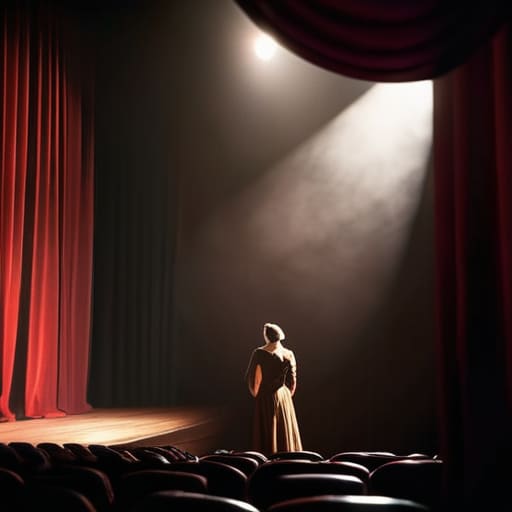
I remember sitting in the back row of a drafty community playhouse thirty years ago, the smell of floor wax and old velvet heavy in the air, watching a single spotlight catch a performer’s tear. It wasn’t a grand Broadway spectacle; it was just a moment of raw, unpolished truth. Nowadays, I see people treating theatrical performances like a checkbox on a social calendar—something to be rushed through, photographed for a quick thrill, and forgotten before the intermission. We’ve lost the ability to simply sit in the dark and let a story settle into our bones, trading genuine connection for the hollow prestige of a high price tag.
I’m not here to sell you on the glitz or the overpriced programs. My goal is to help you find the soul beneath the stagecraft, focusing on the experiences that actually stay with you long after the house lights come up. I’ll share what to look for in a production, how to appreciate the quiet nuances of a set, and how to turn an evening at the theater into a meaningful pause in a world that refuses to slow down.
Table of Contents
The Quiet Soul of Stagecraft and Scenography
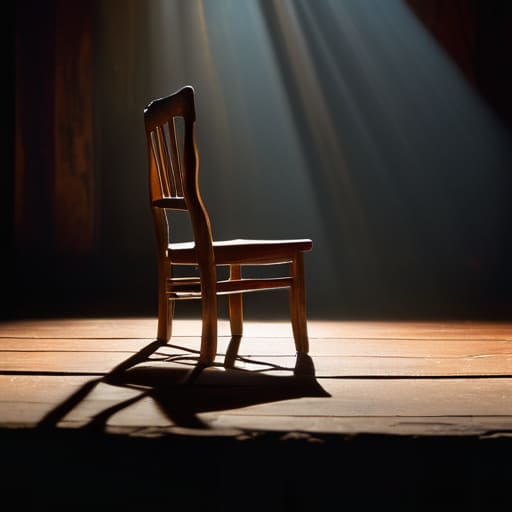
I’ve spent a lifetime cataloging the tangible—ink on parchment, the weight of a heavy ledger—but nothing quite compares to the ephemeral magic of a well-crafted set. When I sit in a darkened house, I find myself less interested in the grand spectacle and more drawn to the quiet soul of stagecraft and scenography. It is in the way a single, amber spotlight catches the grain of a weathered wooden chair, or how a shifting shadow suggests a world far larger than the stage itself. These aren’t just decorations; they are the silent narrators of the evening.
To truly appreciate the depth of a production, one must look past the actors and notice the intricate elements of dramatic production working in the periphery. There is a profound, almost sacred discipline in how light and texture collaborate to build an atmosphere. I often find myself sketching the geometry of a set, trying to capture how a simple tilt of a backdrop can alter the entire emotional temperature of a scene. It’s a reminder that the most moving stories are often told through the subtle textures of the world we build for them to inhabit.
Unfolding the Heart of Theatrical Storytelling Methods

When I look back at the archives of the great houses, I realize that a play is never just the words spoken by the actors. It is a delicate, breathing organism built from various theatre arts disciplines that must work in perfect, silent unison. There is a specific kind of magic that happens when a performer’s breath meets the precise moment a spotlight shifts, or when the silence between lines becomes heavy with unspoken meaning. These theatrical storytelling methods aren’t just technical choices; they are the ways we bridge the gap between the scripted page and the raw, beating heart of the audience.
To truly understand the weight of a scene, one must appreciate how the different elements of dramatic production weave together to create an atmosphere. It’s in the way a costume carries the history of a character, or how the pacing of a movement can make time itself feel like it’s slowing down. I often find myself sketching the way a shadow falls across the stage, realizing that the unseen layers of craft are often what stay with us long after the final bow. It is this intentionality that turns a simple evening into something profound.
How to Truly Listen When the House Lights Dim
- Arrive early enough to sit in the stillness of the empty house. There is a specific, heavy kind of magic in a theater before the actors arrive; it’s a moment to settle your own thoughts so you don’t bring the rush of the street into the performance.
- Put the phone away—and I don’t just mean on silent. The blue light of a screen is a thief that steals the atmosphere. Let the darkness be absolute so that your eyes can learn to find the actors in the shadows, just as they intended.
- Watch the hands, not just the faces. In my years archiving old films and plays, I’ve learned that a person’s soul often reveals itself in the way they hold a prop or the tension in their fingers, long before they ever utter a line of dialogue.
- Don’t be afraid to feel the discomfort. The best theater isn’t always a warm embrace; sometimes it’s a sharp, cold realization. If a scene makes you want to look away, stay seated. That friction is often where the most profound truths reside.
- Stay for the silence after the final curtain. Don’t rush for the exit the moment the lights come up. Sit for a minute in that collective exhale of the audience; that shared, quiet resonance is the part of the evening that actually stays with you.
The Lessons We Carry Home
Don’t look at a play as a mere distraction; look at it as a study of how light and shadow can tell a story more deeply than any spoken word.
True connection happens in the pauses—the moments where the silence between the actors allows the weight of the story to actually settle in your chest.
Allow yourself the luxury of being moved; in a world that demands we always move faster, the theater is our permission to finally sit still and feel.
The Weight of the Final Bow
“A truly great performance isn’t found in the loud crescendos or the grand gestures; it’s found in that heavy, breathless silence right before the curtain falls, when you realize you’ve forgotten the world outside the theater entirely.”
Petra Lindgren
The Echo in the Silence
As the house lights slowly rise and the final notes of the orchestra fade into the rafters, we are left with more than just a memory of a plot or a clever line of dialogue. We carry away the weight of the scenography, the intentionality of the lighting, and the raw, unscripted breath of the actors. To truly appreciate a performance is to recognize that it is a delicate tapestry woven from both the grandest gestures and the smallest, most quiet details. Whether it is the way a shadow falls across a lonely stage or the rhythmic cadence of a monologue, these elements work in concert to build something that transcends the mere spectacle of the night.
I often find myself sitting in my study long after I’ve returned home, staring at my sketches and wondering why certain moments refuse to leave my mind. It is because theater, at its best, demands that we stop rushing through our lives and simply exist alongside the story. It asks us to be present, to be still, and to let the art settle into our bones. So, the next time you find yourself drawn to the curtain call, don’t just watch the play—let it change the way you see the world once you step back out into the streetlights.
Frequently Asked Questions
How can one truly appreciate the subtle nuances of a performance when the theater itself feels so overwhelming or loud?
I understand that feeling—the sheer scale of a theater can sometimes feel like it’s shouting at you. When the room feels too vast or the energy too loud, I find it helps to find a small, fixed point. Don’t try to swallow the whole production at once. Instead, pick one thing: the way a single spotlight catches a character’s hand, or the texture of a costume. Focus on that small detail, and the noise will eventually fade into the background.
Is there a way to find the deeper meaning in a play without having to study the history behind it beforehand?
You don’t need a library card to feel a play’s pulse. Honestly, sometimes too much research can act like a veil between you and the raw emotion on stage. Instead, just lean into the silence between the lines. Watch how the light catches a character’s expression, or listen to the rhythm of their breathing. If you let yourself simply sit in the darkness and observe, the meaning will find you. Trust your own senses.
Where does one go to find those smaller, more intimate performances that allow for a bit of quiet reflection?
You won’t find these moments in the grand, gilded halls of the major playhouses. Instead, look for the basement theaters and the converted storefronts—the places where the air feels heavy with history and the seating is cramped. I often find myself drawn to those small, independent black-box spaces tucked away on side streets. They lack the polish of a Broadway stage, but they offer something much more precious: a sense of shared, quiet breathing.
