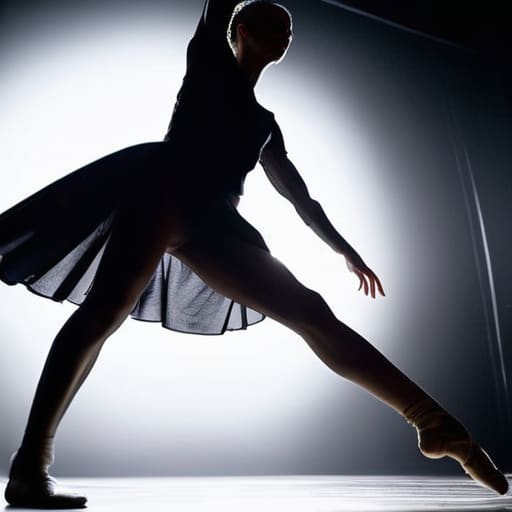
I remember sitting in a drafty, converted warehouse last autumn, nursing a lukewarm coffee and watching a troupe attempt something so abstract it felt more like a math equation than art. There is a certain pretension that often clings to modern dance performances, a sense that if you don’t walk away feeling intellectually bruised, you simply weren’t paying enough attention. I’ve always found that exhausting. We don’t need more performances that demand a PhD to decode; we need movement that actually speaks to the quiet, heavy parts of being human.
I’m not here to sell you on the avant-garde hype or tell you that every flailing limb is a profound metaphor for the industrial revolution. Instead, I want to help you find the shows that actually merit your time—the ones where the lighting is just right and the motion leaves a lingering echo in your chest long after you’ve left the theater. I’ll share what to look for so you can stop rushing through your evenings and start finding the genuine soul in the movement.
Table of Contents
The Quiet Gravity of Contemporary Dance Choreography
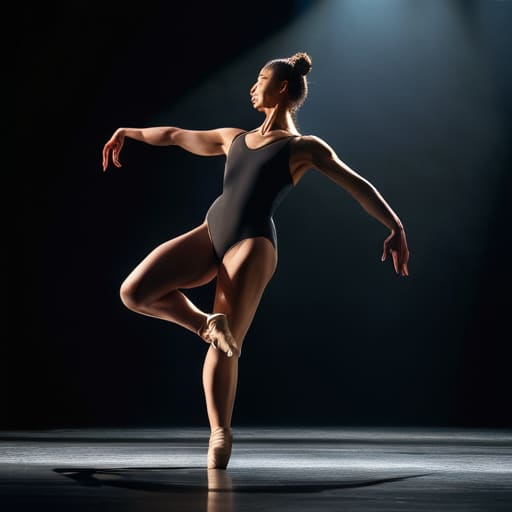
I found myself sitting in the third row last Tuesday, watching a piece that felt less like a show and more like a slow unraveling of tension. There is a specific weight to contemporary dance choreography that you don’t find in the more rigid, classical forms I used to catalog in my youth. It isn’t about the perfection of a line or the height of a leap; rather, it is found in the way a body yields to gravity, or how a sudden stillness can feel more deafening than a crescendo.
The performers utilized these expressive dance techniques to bridge the gap between the physical and the emotional, turning the stage into a space of shared vulnerability. You see it in the way a limb extends toward the shadows, or how a group moves in a synchronized, almost breathing, unison. It reminds me of those old jazz sessions I used to attend—where the space between the notes mattered just as much as the melody itself. In those moments of avant-garde movement art, the world outside the theater simply ceases to exist.
Capturing the Ache Through Expressive Dance Techniques
I’ve often found that the most profound moments in a theater don’t come from the grand leaps or the technical perfection, but from the way a performer’s body seems to surrender to the weight of a feeling. When I watch these artists, I am looking for that raw, unvarnished vulnerability that comes through expressive dance techniques. It is a specific kind of magic when a dancer stops trying to be beautiful and instead settles into being human. You can see it in the slight tremor of a hand or the way a shoulder slumps under the invisible pressure of a memory.
There is a certain tension in modern ballet fusion that captures this beautifully—a marriage of disciplined form and the messy, unpredictable nature of emotion. It reminds me of a scratched jazz record; there is a slight imperfection in the rhythm that actually makes the melody feel more honest. This intersection of structure and chaos is where the real storytelling happens. It isn’t just a display of athleticism; it is an attempt to make the invisible ache of the soul visible to anyone sitting in the dark, willing to look.
How to Truly Listen with Your Eyes
- Leave your phone in your coat pocket; modern dance isn’t something meant to be viewed through a glass screen, but felt in the space between your breath and the performer’s movement.
- Look past the technical perfection of a leap or a turn and try to find the intention behind the stillness—often, it is in the moments when the dancers stop moving that the real story begins.
- Don’t feel pressured to decipher a specific plot or a linear narrative; let the shapes and the shadows dictate the mood, much like listening to a wordless jazz composition.
- Pay attention to the relationship between the dancer and the floor; there is a profound, grounded honesty in the way a body meets the stage that tells you more than any program note ever could.
- Allow yourself to feel a bit uncomfortable; the best contemporary pieces are designed to stir something unsettled within us, and that friction is exactly where the beauty resides.
The Afterglow: What Remains When the Curtain Falls
Modern dance isn’t about perfect execution or athletic spectacle; it is about the courage to be vulnerable in a room full of strangers.
To truly experience a performance, one must abandon the urge to analyze and instead allow the rhythm and movement to settle into the bones.
The most profound moments of a show are often found in the stillness between movements, where the silence speaks as loudly as the music.
The Weight of a Single Gesture
“In my years among the archives, I learned that the most profound histories aren’t always written in ink; sometimes, they are held in the tension of a dancer’s reach or the heavy, deliberate silence of a body returning to the floor.”
Petra Lindgren
The Last Note of the Evening
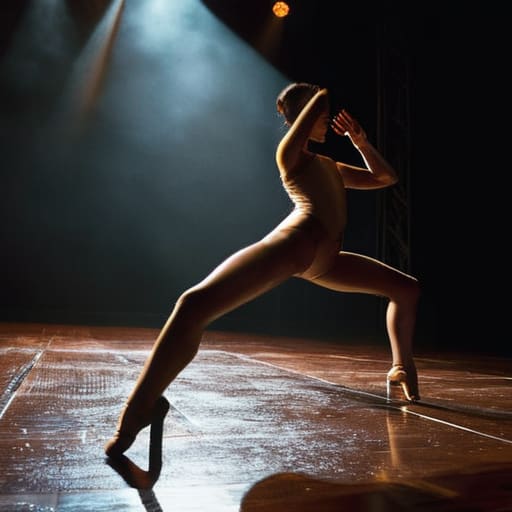
As I sit here in the back of this dim theater, scribbling a few quick lines about the geometry of the stage in my notebook, I find myself reflecting on everything we’ve touched upon. We’ve looked at how the gravity of choreography anchors us, and how the raw ache of technique can reach into a person’s chest and pull at something they didn’t even know was there. Modern dance isn’t just about the physical feat of the body; it is about the deliberate translation of human emotion into movement. It is a way of seeing the invisible tensions that pull at our own lives, rendered visible through the grace and grit of a performer under a single spotlight.
I hope you find the time to step out of the rush and into one of these spaces. There is a profound, quiet dignity in allowing yourself to be moved by something that doesn’t demand your immediate understanding, but rather your patient presence. Don’t just watch the performance; let it settle into your bones like the low notes of a late-night jazz record. When the house lights finally come up and the crowd spills out into the cool night air, I hope you find that you are carrying a little bit of that stillness with you. That is the real magic—the things that stay with us long after the music has stopped.
Frequently Asked Questions
How can one truly appreciate the nuances of a performance when the movements feel so abstract or disconnected from a traditional story?
I used to look for a plot, much like I once looked for a linear timeline in a dusty archive. But I’ve learned that abstraction isn’t a lack of meaning; it’s an invitation. Instead of asking “What is happening?”, try asking “How does this feel?” Don’t hunt for a story. Instead, let the tension in a dancer’s limb or the sudden silence of a movement settle in your chest. Listen to the body’s rhythm, not its logic.
Are there specific venues or smaller, intimate stages where the connection between the dancer and the audience feels more visceral?
It’s those tucked-away spaces that truly matter. I often find myself drawn to the basement studios and the converted lofts—the kind of places where you can hear the floorboards creak under a dancer’s weight. In a grand theater, there is a polite distance, but in a room with low ceilings and dim, amber lighting, the breath of the performer becomes part of your own. That’s where the art stops being a spectacle and starts being a shared secret.
Is there a way to prepare oneself emotionally for the more intense, heavy themes that contemporary choreography often explores?
I’ve found that the best way to prepare isn’t to build a wall, but to soften your edges. Before the curtain rises, I like to sit in the dimness for a few minutes—no phone, no rushing—just letting the stillness settle. Think of it as clearing a space in your mind. Don’t go in looking for a way to escape the heaviness; instead, go in ready to sit with it, much like listening to a particularly somber blues record.
