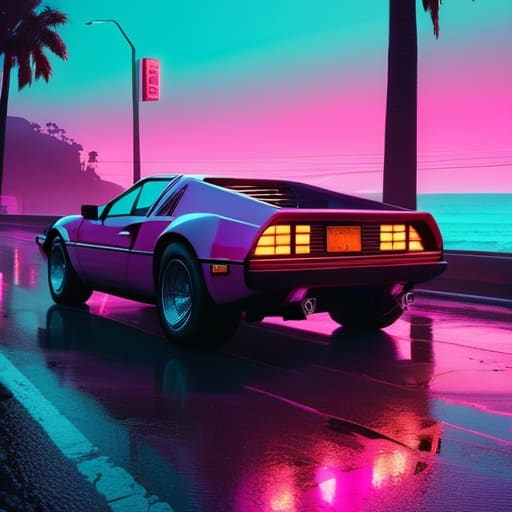
I was sitting in a dimly lit corner of a basement club last Tuesday, the kind of place where the air feels heavy with history, when a track started playing that felt entirely out of place. It wasn’t the usual brass or upright bass; it was a pulsing, electronic tide that seemed to pull the shadows toward it. I realized then that the synthwave aesthetic isn’t just some digital trend for kids glued to their screens, nor is it just a collection of neon filters meant to mimic a decade most of us lived through. It’s a specific kind of melancholy longing—a way to capture the feeling of a sunset that never quite ends.
I’m not here to sell you on expensive gear or tell you how to curate a perfect, artificial life online. Instead, I want to strip away the digital noise and look at what this movement actually offers us: a way to find stillness in a world that moves far too fast. We’re going to explore how the textures and rhythms of this sound can help us reclaim the evening, focusing on the soul of the music rather than the hype of the trend.
Table of Contents
Chasing Cyberpunk Neon Vibes in the Dark
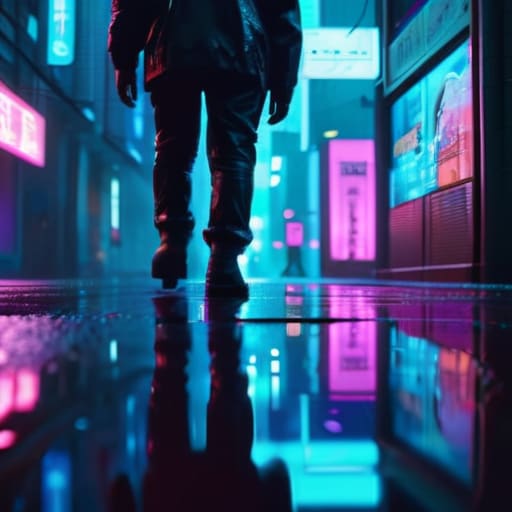
There is a particular kind of magic that happens when the sun retreats and the city begins to bleed electric blues and magentas into the damp pavement. I’ve always found that the most profound moments of reflection happen in that transition—that blurred line between the real world and the digital dreamscape. When I’m walking through these dimly lit corridors, I find myself drawn to those heavy cyberpunk neon vibes that seem to promise a future that never quite arrived, yet feels more present than the morning light.
It isn’t just about the brightness, though. It’s about the texture of the shadows. There is a certain weight to the outrun aesthetic elements that ground the neon, preventing it from feeling hollow or superficial. It reminds me of the old film noir classics I used to catalog, only instead of black and white, we are navigating a world of high-contrast electricity. It’s a sensory experience that demands you slow your pace; you can’t rush through a landscape that feels like a living, breathing memory of a tomorrow that was lost to time.
Where Analog Synthesizer Soundscapes Meet the Night
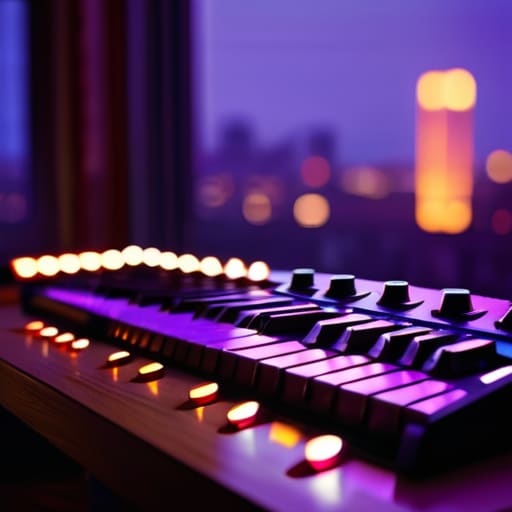
There is a specific kind of magic that happens when you stop looking at the screen and start listening to the texture of the sound. When I sit in a quiet corner of a dimly lit lounge, I often find myself thinking about those thick, warm analog synthesizer soundscapes that seem to breathe alongside the city. Unlike the sterile, digital precision of modern pop, these sounds possess a certain graininess—a beautiful imperfection that feels human. It’s a sonic echo of a future we once imagined back in the eighties, one that felt much more tangible and perhaps a bit more hopeful.
It’s easy to get lost in the debate of vaporwave vs synthwave, but to me, the distinction matters less than the feeling they evoke. While one might drift into a hazy, consumerist dream, the other feels like a steady heartbeat driving you through a midnight drive. There is a profound sense of 80s nostalgia culture woven into every oscillating wave and gated reverb hit. It isn’t just about mimicking a decade; it’s about capturing that specific, fleeting sensation of being suspended in time, where the only thing that matters is the melody and the glow of the streetlights.
Small Ways to Invite the Glow into Your Own Evening
- Don’t be afraid of the shadows. To truly capture that synthwave feeling, you have to let the room go dark first; it’s the contrast between a single neon lamp and the surrounding gloom that creates the mood.
- Seek out the tactile. In a world of polished glass screens, find something with a bit of grit—perhaps a vintage cassette tape or a heavy, analog-feeling switch—to ground those digital sounds in something real.
- Curate your light. Swap out those harsh, overhead white bulbs for something softer, perhaps a deep violet or a warm amber, to mimic that perpetual sunset feeling that defines the genre.
- Slow down your rhythm. The aesthetic isn’t about the frantic pace of modern life; it’s about leaning into the steady, pulsing tempo of a drum machine and letting your thoughts drift accordingly.
- Keep a notebook nearby. When the music hits that particular nostalgic chord, don’t just listen—sketch the feeling or jot down a fragment of a memory, much like I do when I’m sitting in a dim jazz club.
What Remains When the Neon Fades
It isn’t just about the bright colors; it’s about that specific, quiet feeling of being alone in a city that never quite sleeps.
The magic lies in the tension between the digital future we imagined and the warm, imperfect analog sounds that ground us in the present.
We find the most meaning when we stop treating these aesthetics as mere trends and start using them as a way to slow down and actually feel the atmosphere.
The Ghost in the Machine
“It isn’t just about the neon or the fast cars; it’s that peculiar, aching nostalgia for a future that never quite arrived, wrapped in a melody that feels like a memory you can almost touch.”
Petra Lindgren
The Long Shadow of the Neon Glow
As we’ve wandered through these digital landscapes, it becomes clear that synthwave is far more than just a collection of bright colors and programmed beats. It is a careful marriage of the tactile warmth of analog synthesis and the sharp, electric edge of a future that never quite arrived. We’ve looked at how those cyberpunk neon hues provide a sanctuary for the restless, and how the rhythmic pulse of a synthesizer can mimic the very heartbeat of a city at midnight. It is a genre built on the tension between the old world and the new, finding a strange, beautiful equilibrium in the space between the shadows.
Ultimately, I find that the true allure of this aesthetic isn’t found in the technology itself, but in the way it invites us to slow down. In a world that demands we move faster, move louder, and move constantly, synthwave offers a permission slip to simply linger in the glow. It reminds me of the quiet hours I used to spend in the archives, realizing that the most profound things are often found in the stillness. So, the next time you find yourself caught in a wash of violet light and a steady, driving bassline, don’t just listen—let yourself arrive.
Frequently Asked Questions
How can I find that specific vintage warmth in modern music without it feeling like a cheap imitation?
It’s a delicate balance, isn’t it? To avoid that hollow, digital sheen, you have to look for the imperfections. I always tell people to listen for the “drift”—that slight, unstable pitch in a tape saturation or the soft hiss of a room. True warmth isn’t about a filter; it’s about finding music that embraces the texture of the medium, where the soul lives in the subtle, unpolished spaces between the notes.
Is there a way to bring this sense of neon nostalgia into my own home without it feeling cluttered or overwhelming?
It’s a common worry—the fear of turning a sanctuary into a roadside diner. My advice? Focus on the light, not the clutter. You don’t need a dozen glowing strips; just one well-placed, dim lamp with a soft violet or amber hue can shift the entire mood. Pair it with a single piece of meaningful art or even a well-worn vinyl sleeve. It’s about creating an atmosphere, not filling a room.
Beyond the music and the lights, how does this aesthetic capture that specific feeling of being alone in a city at midnight?
It’s that strange, quiet intimacy of the city when the crowds have finally thinned. To me, it feels like being a ghost in a machine—moving through streets that feel both vast and strangely personal. The aesthetic captures that solitude, turning the loneliness of a midnight walk into something cinematic. It’s not about being lonely; it’s about that peaceful, solitary communion with the glowing pulse of a world that’s finally stopped rushing.
