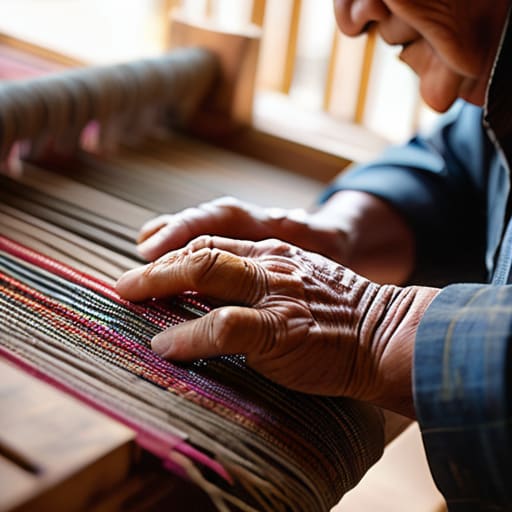
I remember sitting in the back of a dusty archive in Ann Arbor, surrounded by the scent of aging paper and cedar, when I first realized that history isn’t just written in ink. It’s woven. I was looking at a collection of hand-loomed fragments from the late nineteenth century, and as I traced the uneven tension of the threads, I felt a sudden, sharp connection to the person who sat in a quiet room decades ago, simply making something real. There is a profound, tactile weight to the textile arts that our modern, disposable world seems determined to forget. We’ve traded the rhythmic, meditative pull of a needle for the frantic, hollow buzz of a screen, and in doing so, we’ve lost our grip on the beauty of the slow build.
I’m not here to sell you on expensive, high-tech looms or the latest complicated trends that demand a degree to understand. Instead, I want to talk about the soul of the craft. I promise to share what I’ve learned about finding quietude through the texture of thread and fabric—advice rooted in patience rather than perfection. We are going to explore how these ancient methods can help us reclaim our evenings and find a sense of permanence in a world that is constantly rushing past us.
Table of Contents
Tracing the Soul Through Textile Design History
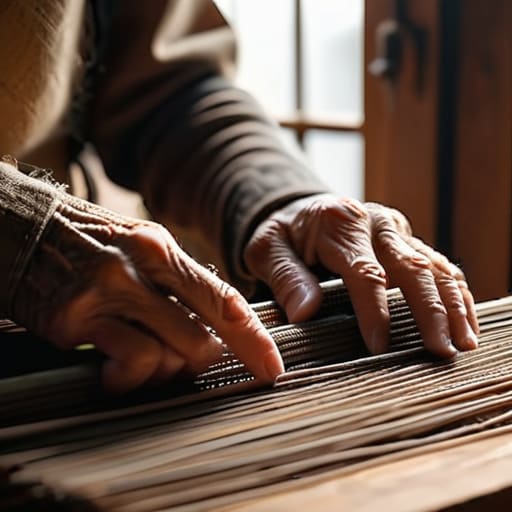
In my years spent tucked away in the basement of the municipal archives, I learned that history isn’t just written in ink; it is woven into the very fabric of our lives. When I look at a piece of aged linen or a fragment of heavy wool, I don’t just see cloth. I see the ghosts of the hands that made it. To truly understand textile design history, one must look past the pattern and consider the rhythm of the maker. There is a profound, quiet dignity in the way a person once sat before a frame, surrendered to the repetitive cadence of the work.
I often find myself tracing the imperfections in an old tapestry, realizing that those very “flaws” are where the humanity resides. Whether it was the meticulous application of natural dye processes using crushed berries or bark, or the intentional tension of a thread, these pieces were born from a slow, deliberate relationship with the earth. We live in such a hurried age, yet these artifacts remind us that the most enduring things—the things that actually stay with us—are often those that required the most patience to create.
The Slow Magic of Natural Dye Processes
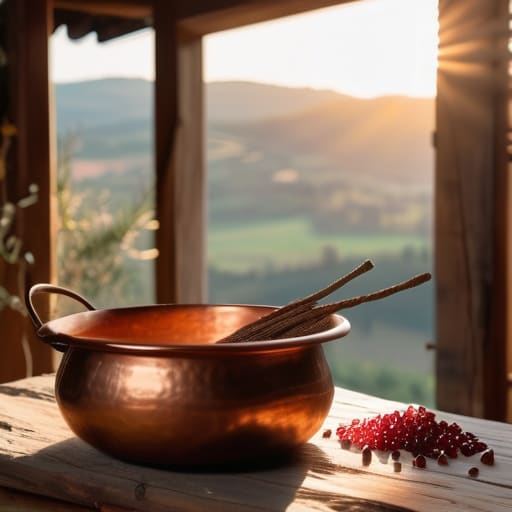
There is a specific kind of patience required when you step away from the digital hum of the modern world and into the quiet alchemy of natural dye processes. I remember sitting in a small workshop in the hills of Tuscany years ago, watching a master artisan steep pomegranate skins in a copper pot. There was no instant gratification, no clicking a button to see a result. Instead, there was only the slow, rhythmic simmer and the anticipation of how the sunlight might eventually catch those earthy hues. It reminded me that the most beautiful things in life aren’t manufactured; they are nurtured over time.
When you work with pigments derived from roots, barks, or fallen leaves, you aren’t just coloring a thread; you are capturing a moment of the seasons. This connection to the earth lends a depth to the material that synthetic dyes simply cannot replicate. As I often note in my little sketchbook, the way a hand-dyed indigo settles into the crevices of a weave creates a living landscape. It forces a certain stillness upon you, a realization that true craftsmanship requires us to match the pace of the natural world.
The Quiet Discipline: Five Ways to Find Your Rhythm in the Thread
- Embrace the imperfection of the hand. In my years archiving old tapestries, I’ve noticed that the most soulful pieces aren’t the ones with mathematically perfect stitches, but the ones where you can see the human heartbeat in a slightly uneven line. Don’t chase a machine’s precision; chase the character of your own touch.
- Let the materials dictate the pace. Much like the way a jazz soloist responds to the room, let your fiber guide you. If you are working with heavy, coarse linen, accept that it demands a slower, more deliberate movement. Don’t fight the tension; listen to what the fabric is telling you it needs.
- Curate a sensory workspace. I find it difficult to create when the world outside is too loud or too bright. Dim the overheads, perhaps put on a Miles Davis record, and treat your crafting not as a chore to be finished, but as a ritual to be inhabited. The environment is just as important as the needle.
- Document the small victories. I still carry my little notebook, and I suggest you do the same. Sketch a particularly interesting weave or jot down how a certain shade of indigo looked in the morning light. These tiny observations turn a hobby into a personal history.
- Resist the urge to rush toward the finish. The modern world is obsessed with the “completed project,” but the true value of textile art lies in the middle of the process—the repetitive, meditative pull of the thread. If you focus only on the end, you miss the quietude that happens while you’re actually living it.
Lessons in the Slow Craft
We must learn to value the friction of the process; just as a well-worn record has more character than a digital file, a fabric shaped by hand carries a history that machine-made perfection simply cannot replicate.
There is a profound necessity in slowing down to observe the subtle shifts in color and texture, reminding us that the most meaningful things in life aren’t captured in a frantic rush, but in the quiet moments of creation.
To engage with textile arts is to engage with human continuity, connecting our own restless hands to the rhythmic, ancestral patterns that have offered comfort and beauty for generations.
The Rhythm of the Loom
“In a world that insists on moving at a breakneck pace, there is a profound, quiet rebellion in the act of weaving—a way to tether ourselves back to the steady, rhythmic heartbeat of something made by hand, one deliberate thread at a time.”
Petra Lindgren
The Thread That Binds Us
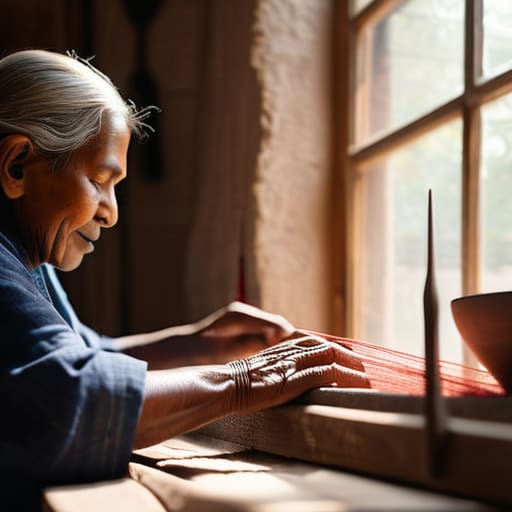
As I sit here, looking over my sketches and thinking back through the history of these crafts, I am struck by how much we have to learn from the loom and the dye vat. We’ve traced the lineage of design from the hands of ancient artisans to the patient, rhythmic pull of a modern needle, and we’ve seen how the slow alchemy of natural pigments can turn a simple fiber into something profound. These aren’t just technical processes or mere hobbies; they are vessels of human memory. When we engage with textile arts, we aren’t just making fabric—we are participating in a long, unbroken conversation with those who came before us, honoring a pace of life that refuses to be hurried.
My advice to you, as the evening settles in, is to find your own way to slow down. Perhaps it is picking up a piece of embroidery or simply running your fingers over a well-worn tapestry and noticing the intentionality of every single stitch. We live in a world that demands we move faster, louder, and more efficiently, but there is a quiet, rebellious dignity in choosing the slow path. Let the textures ground you. Let the patterns invite you to linger. In the end, it is these small, tactile connections to the world around us that truly stay with us long after the lights go up and the music fades.
Frequently Asked Questions
How can someone begin to appreciate the subtle history behind the fabrics we encounter in our everyday lives?
I’ve found that it begins with a simple, intentional pause. Next time you’re wearing a linen shirt or draped in a heavy wool throw, don’t just feel the warmth—look closer. Notice the irregularities in the weave or the way the light catches a specific texture. Ask yourself where that fiber might have grown or whose hands guided the loom. When you stop rushing, the fabric stops being just “stuff” and starts telling a story.
Is it possible to find a sense of meditative calm through these crafts in our modern, fast-paced world?
It isn’t just possible; I think it’s becoming a necessity. In my years archiving, I saw how quickly we discard the tangible for the digital. When I sit with a piece of fabric, the world stops rushing. There is a profound, rhythmic stillness in the repetition—the steady pull of thread or the slow soak of a dye bath. It forces you to breathe, to linger, and to finally inhabit the present moment.
What are the best ways to preserve or care for vintage textiles so their stories aren't lost to time?
It’s a bit like handling a fragile, original press of a jazz record; you must treat the history with reverence. I always suggest avoiding sunlight—it’s a thief of color. Instead, store your pieces in acid-free tissue, tucked away in a cool, dark place. Never hang heavy garments; the weight eventually pulls the life right out of the fibers. Let them breathe, let them rest, and treat them with the patience they deserve.
