I remember sitting in a basement jazz club in Detroit back in ’78, the air thick with the scent of old mahogany and stale tobacco, watching a young pianist try to replicate a Motown groove. He had the notes right, but he was missing the ache. People often talk about soul music influence as if it’s just a collection of chord progressions or a specific way a singer rasps on a high note, but they’re missing the point entirely. It isn’t something you can simply transcribe into a textbook or measure with a metronome; it is the ghost in the machine, the heavy, beautiful weight that lingers in the room long after the band has packed up.
I’m not here to give you a dry, academic lecture on musicology or a list of chart-topping statistics. Instead, I want to walk you through the texture of that legacy—how it shaped the very way we listen to the world when the lights go low. We’re going to look past the surface-level trends to find the genuine, unvarnished heart of soul music influence, focusing on the moments that actually make a song feel alive.
Table of Contents
From Gospel Roots to the Souls Sacred Quiet
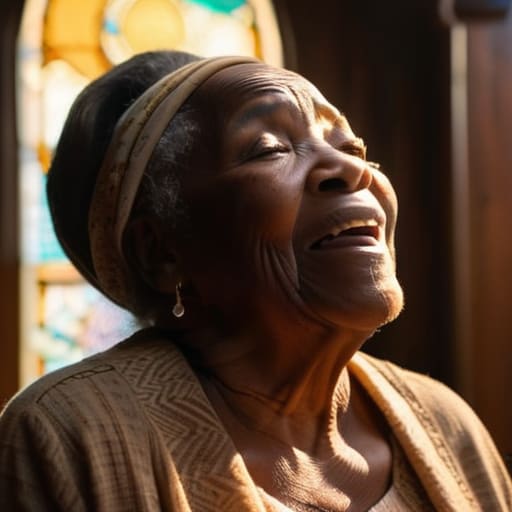
To understand the weight of a single note, you have to look back at where that breath first came from. For me, tracing the gospel roots of soul music is much like leafing through a dusty archive; you realize that the passion wasn’t manufactured in a studio, but born in the wooden pews of Sunday morning services. It was that raw, unvarnished yearning—the kind that reaches for something higher than itself—that eventually migrated from the church to the street corners and into the dimly lit clubs I frequent today.
There is a sacredness in that transition, a way the music carried the heavy, unspoken prayers of a community. As the sounds shifted, the music became more than just melody; it became a vessel for dignity during much harder times. You can still hear it if you listen closely—that spiritual backbone that refused to break even as the arrangements grew more complex. It wasn’t just about rhythm; it was about a collective soul finding its voice when the world felt far too loud and far too unkind.
How the Civil Rights Movement Found Its Voice
I remember sitting in a small, dimly lit cafe years ago, listening to an old Otis Redding record, and it struck me then—this wasn’t just music; it was a heartbeat. During the 1960s, the soul music and civil rights movement became inextricably linked, moving far beyond the confines of mere entertainment. It was the sound of dignity being reclaimed. When you listen to those tracks, you aren’t just hearing melodies; you are hearing the collective breath of a people demanding to be seen and heard.
The songs became a sort of sonic sanctuary, providing a rhythmic backbone to the struggle for justice. There was a profound sense of shared purpose in every crescendo, a way to turn raw, systemic pain into something that felt both communal and unstoppable. It wasn’t just about the lyrics, though those were vital; it was about the way the music could steady a person’s hands when the world felt like it was shaking. Even now, when I walk past a quiet street corner at dusk, I can almost hear that echoes of resilience still lingering in the air.
How to Listen for the Soul in a Fast-Moving World
- Don’t just hear the melody; listen for the space between the notes. In soul music, the silence is just as heavy as the brass, and that’s where the real emotion settles in.
- Seek out the imperfections. A voice that cracks slightly or a drummer who leans just a hair behind the beat—that’s where the humanity lives, far away from the sterile precision of modern digital tracks.
- Pay attention to the lineage. When you hear a modern R&B track, try to trace the ghost of a Stax horn section or a Motown bassline hiding underneath the surface. It’s like looking at old architectural blueprints.
- Let the music dictate your pace. If you’re listening to something with real grit, don’t rush it. Dim the lights, put the phone in another room, and allow the rhythm to slow your heartbeat down to its level.
- Watch the room, not just the stage. Much of soul is a communal experience. Notice how the music changes the way people sit, how they lean toward one another, and how the atmosphere shifts when the groove truly takes hold.
The Lessons the Music Left Behind
Soul music isn’t just a genre; it’s a way of paying attention to the weight of a moment and the truth found in a single, unhurried note.
The genre reminds us that the most profound shifts in culture often begin in the quiet, shared spaces of a community finding its collective voice.
To truly understand the music, we must look past the rhythm and listen for the history—the echoes of struggle and spirit that refuse to be silenced by time.
The Resonance of a Shared History
“Soul music isn’t just a genre you listen to; it’s a way of remembering. It’s that heavy, beautiful ache in a melody that reminds us we aren’t just passing through these streets alone, but carrying the echoes of everyone who ever sang their truth into the dark.”
Petra Lindgren
The Echo That Never Fades

Looking back through the archives of our musical history, it becomes clear that soul music was never just a genre or a collection of catchy melodies. It was a bridge—a way to carry the sacred weight of the gospel tradition into the grit of the streets, and a way to give a rhythmic, defiant heartbeat to a movement that refused to be silenced. We’ve seen how its influence seeped into every corner of modern sound, from the polished grooves of pop to the raw honesty of contemporary R&B. It taught us that music isn’t just something you hear; it is a vessel for our collective resilience and a way to document the truth of the human condition when words alone fail us.
As I sit here in the dim light of my study, listening to the crackle of an old record, I’m reminded that the true legacy of soul isn’t found in charts or statistics. It’s found in those rare, quiet moments when a song stops you mid-stride and forces you to really listen. In a world that seems determined to move faster every single day, I hope you find the courage to slow down. Seek out the music that has something to say, the kind that lingers in the air long after the needle has lifted. Let it remind you that there is profound beauty in the struggle, and even more in the stillness that follows.
Frequently Asked Questions
How can we still hear those old gospel echoes in the way modern artists use their voices today?
You can hear it in the way a singer leans into a note, letting it fray just a little at the edges. It’s that intentional, soulful grit—what I like to call the “vocal ache.” Modern artists might use synthesizers or polished production, but when they reach for those melismatic runs or that sudden, breathy vulnerability, they are tapping into that same spiritual well. It isn’t just technique; it’s an echo of something much older.
Beyond the lyrics, how did the specific rhythm and tempo of soul music help shape the atmosphere of the era?
It wasn’t just the words; it was the heartbeat. There is a specific, deliberate tension in a soul rhythm—that slight, heavy delay between the beat and the bass that makes you lean in. It creates a space for breath. In an era of frantic change, that mid-tempo groove acted like an anchor. It forced a certain gravity upon the room, demanding you sit still and actually feel the weight of the moment.
In our fast-paced, digital world, is there still a place for the slow, intentional feeling that soul music demands of its listeners?
I find that the faster the world spins, the more we actually ache for that stillness. We’re constantly bombarded by digital noise—sharp, bright, and fleeting. But soul music? It demands you sit with it. It requires you to lean in and listen to the space between the notes. In a world of instant gratification, that slow, intentional ache is more than just a genre; it’s a necessary sanctuary for the weary.
