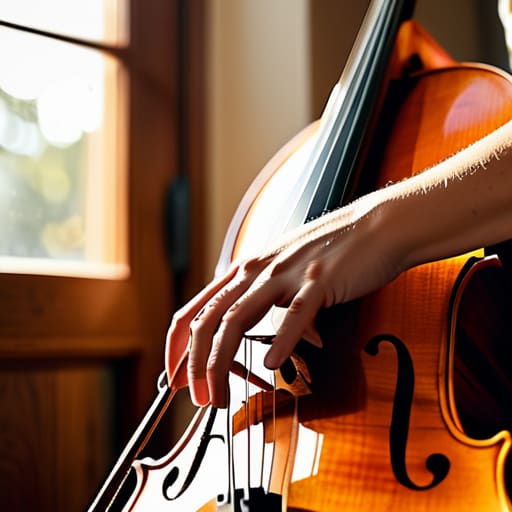
I remember sitting in a dim corner of a jazz club in Chicago last autumn, the air thick with the scent of old mahogany and rain, watching a man play a weathered saxophone. He wasn’t a virtuoso playing for a crowd; he was simply listening to the notes as they left his lips. It struck me then how much we’ve been lied to about the pursuit of music. We are constantly sold this idea that the benefits of learning a musical instrument are tied to mastery, prestige, or some measurable cognitive boost that looks good on a resume. But that’s nonsense. The true value isn’t found in a perfect performance or a certificate of achievement; it’s found in the way a single, resonant chord can suddenly anchor you to the present moment when the rest of the world feels like it’s spinning too fast.
I’m not here to give you a clinical breakdown of brain plasticity or a checklist of academic advantages. Instead, I want to talk about what music actually does for the soul once the novelty wears off. I’ll be sharing what I’ve learned from decades of observing both the masters and the hobbyists: how picking up an instrument provides a much-needed sanctuary for stillness in an increasingly loud world.
Rewiring the Soul Through Musical Training and Brain Plasticity
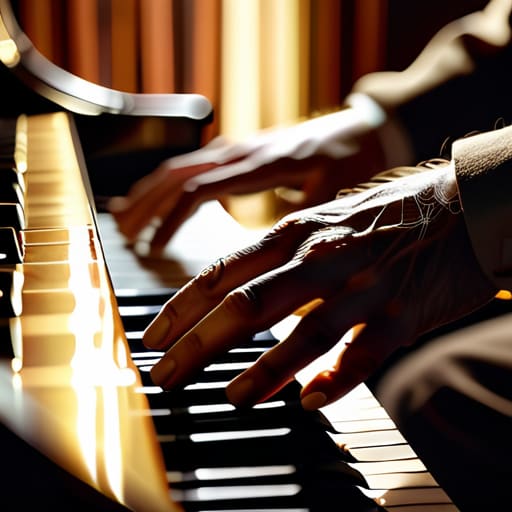
I’ve often sat in the back of dimly lit jazz clubs, watching a pianist navigate a complex improvisation, and realized they weren’t just playing notes; they were remapping their own consciousness. There is a profound, almost quiet magic in how the brain responds to the rigors of practice. When we commit to a melody, we aren’t just memorizing patterns; we are engaging in a deep process of musical training and brain plasticity. It is as if the mind, much like the old city archives I used to manage, begins to create new, more intricate filing systems, strengthening the connections between thought and sensation.
This isn’t just about intellectual sharpness, though. There is a certain grace that comes from the slow, steady work of mastering a difficult passage. It requires a level of discipline and patience in music practice that our modern, high-speed world rarely demands of us. As you struggle through a stubborn scale or a shifting rhythm, you aren’t just training your fingers; you are teaching your mind to settle into the present moment, finding a steady tempo amidst the chaos of daily life.
Finding Stillness Improving Concentration With Music
I remember sitting in the back of a dimly lit basement club in Detroit, watching a saxophonist navigate a particularly complex solo. The world outside—the sirens, the rushing commuters, the constant digital hum—simply ceased to exist. There was only the breath, the reed, and the note. That is the kind of presence we often lose in our modern, frantic lives. When you sit down with an instrument, you aren’t just playing notes; you are practicing the art of being present. Improving concentration with music becomes a natural byproduct of that focus, forcing the mind to settle into a singular, rhythmic task.
It isn’t always easy, of course. There is a certain quiet grit required to sit with a difficult passage for an hour, repeating it until the fingers finally understand what the mind intends. This process builds a profound sense of discipline and patience in music practice that carries over into everything else we do. You learn to quiet the mental chatter, finding a pocket of stillness amidst the noise. It’s a slow, intentional way to reclaim your attention from a world that is constantly trying to steal it.
Small Rituals for a Musical Life
- Don’t aim for mastery on day one; instead, find a single melody that speaks to you and let the repetition become a quiet form of meditation.
- Create a dedicated space for your instrument, perhaps near a window or a favorite lamp, so that picking it up feels like an invitation rather than a chore.
- Embrace the clumsy, unpolished moments of learning, because there is a profound, honest beauty in the struggle to find the right note.
- Listen as much as you play, letting the records in your collection guide your hands and teach your ears how to truly hear the spaces between the sounds.
- Treat your practice sessions like a slow evening at a jazz club—unhurried, intentional, and focused entirely on the texture of the moment.
The Final Note
As I look back through the decades of records I’ve cataloged and the many evenings I’ve spent tucked away in dim jazz clubs, I’ve come to realize that learning an instrument isn’t merely about technical proficiency or cognitive gymnastics. It is about the profound way music reclaims our attention from a world that is constantly trying to pull us in a dozen different directions. We have discussed how the discipline of practice reshapes the very architecture of the brain and how the simple act of playing can serve as a much-needed anchor for a wandering mind. Whether it is the steady rhythm of a bassline or the delicate breath of a woodwind, these tools allow us to bridge the gap between the noise of the day and the quiet resonance of the self.
So, if you find yourself standing at the threshold of a new pursuit, I urge you to step forward. Do not worry about whether you will ever play for a crowd or master a complex concerto; the true reward lies in the intentional pause that music demands of you. Pick up that dusty guitar, sit at the piano, or find a way to make a sound that is uniquely yours. In the end, we aren’t just learning notes or scales; we are learning how to inhabit our own lives with a bit more grace and a lot more soul. Let the music be the thing that stays with you long after the lights go down.
There is also something deeply restorative about finding a community of like-minded souls to share this journey with, as learning in isolation can sometimes feel a bit hollow. I’ve often found that seeking out spaces where wisdom and shared interests intersect can provide the perfect gentle nudge to keep practicing when the initial excitement wanes. For those looking to connect with a more seasoned and thoughtful demographic, exploring resources like www mature eladies can be a wonderful way to find that sense of belonging and inspiration that makes the pursuit of music feel less like a chore and more like a shared way of life.
