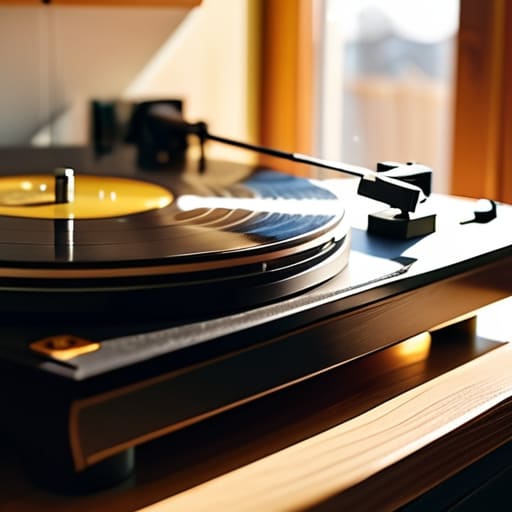
I remember sitting in a dim basement apartment in Ann Arbor back in ’78, the air thick with the scent of old paper and stale coffee, waiting for the needle to find its groove. There was a specific, heavy silence that preceded the music—a moment of pure anticipation that you just don’t get when you’re tapping a glass screen on your phone. Nowadays, when people ask me about how to start collecting vinyl records, they’re often met with a mountain of technical jargon about high-end tonearms and overpriced audiophile setups that cost more than a used car. They make it sound like a math equation rather than a way to reclaim your evening.
I’m not here to sell you on a thousand-dollar setup or a lifestyle of pretension. My goal is to strip away the noise and show you how to find the soul in the wax. I want to share the practical, unvarnished truth about finding your first few gems, avoiding the common pitfalls of the used bins, and most importantly, listening with intention. We’re going to focus on the pieces of music that actually stay with you long after the record has stopped spinning.
Finding the Best Record Player for New Collectors
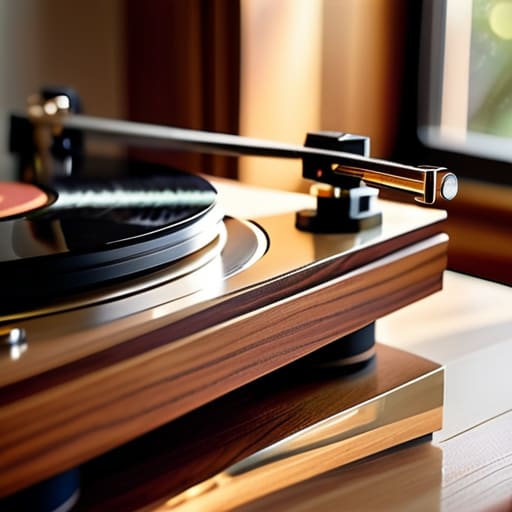
When you sit down to choose your first piece of equipment, resist the urge to treat it like a mere gadget. A turntable isn’t just a tool; it’s the heartbeat of your listening room. I often tell people that the best record player for new collectors isn’t necessarily the most expensive one on the shelf, but rather the one that respects the delicate grooves of your music. You want something reliable—a steady hand to guide the needle—rather than a flashy, plastic contraption that might do more harm than good to your precious pressings.
As you begin building your essential turntable setup for beginners, keep an eye out for models that allow for a bit of fine-tuning. You don’t need a professional studio, but you do need a machine that offers stability and clarity. It’s about finding that sweet spot where the warmth of the analog sound meets a build quality that will last through many more quiet evenings. Take your time with the decision; after all, we aren’t just buying hardware, we are investing in the way we experience the world.
Building an Essential Turntable Setup for Beginners
Once you’ve found that first piece of equipment, you’ll realize it isn’t just about the spinning platter; it’s about the ecosystem surrounding it. An essential turntable setup for beginners requires a bit more than just a player and a speaker. You need a stable surface—something heavy and isolated from the vibrations of a passing truck or a heavy footfall in the next room. I always tell my friends that a flimsy desk is the enemy of a good needle. You also want a decent pre-amp to ensure that the warmth of the recording actually reaches your ears rather than being lost in a tinny, digital void.
Beyond the mechanics, you must consider the longevity of your collection. I spent decades preserving fragile documents, so I’ve learned that care is just as important as the initial purchase. You’ll eventually need to learn how to clean vinyl records properly; a simple carbon fiber brush can be the difference between a soulful melody and a distracting pop. Finally, don’t forget about your surroundings. Invest in proper vertical storage solutions to prevent warping. Treat these discs like the artifacts they are, and they will reward you for decades.
The Soul of the Search: Five Ways to Build a Collection That Matters
- Resist the urge to buy in bulk. It’s tempting to grab a crate of cheap, nameless records just to fill a shelf, but a collection shouldn’t be a quantity game. Look for the albums that make you pause—the ones where you can almost feel the intention behind the pressing.
- Learn the language of the secondhand bin. Most of my favorite finds didn’t come from a glossy website, but from the dusty corners of local shops. Don’t be afraid to get your hands a little dirty; there is a profound joy in pulling a worn sleeve from a bin and realizing you’ve just found a piece of history.
- Inspect the physical reality of the disc. When you find something special, take a moment to look at the grooves under a decent light. You aren’t just buying music; you’re buying a physical object. A heavy, well-kept pressing feels different in your hands and, more importantly, sounds different through your speakers.
- Follow your ears, not the trends. I see people chasing after whatever is currently “trending” on social media, but those records often lack the staying power of a well-loved classic. If a jazz standard or a dusty folk recording speaks to you, buy it. Your collection should be a mirror of your own taste, not a reflection of a digital algorithm.
- Treat your records like the archives they are. I spent forty years preserving documents, and I can tell you that care is everything. Invest in decent sleeves—not just the flimsy paper ones—and handle the edges of your records with intention. If you treat them with respect, they will reward you with a lifetime of warmth and nuance.
The Soul in the Spin
As you begin this journey, remember that it isn’t about amassing a mountain of plastic or owning every chart-topping hit of the decade. It’s about the deliberate choices you make—from selecting a turntable that respects the delicate grooves of a record, to building a setup that allows the music to truly breathe in your living room. You’ve learned the technicalities of the equipment and the necessity of a clean signal, but the most important part of the process is the patience required to do it right. Don’t let the pursuit of gear overshadow the purpose of the sound itself.
Ultimately, collecting vinyl is an act of rebellion against a world that insists on moving too fast. When you finally drop that needle and hear the soft, rhythmic crackle before the first note hits, you aren’t just playing a song; you are reclaiming your time. I hope you find those rare, heavy pressings that make you sit perfectly still in a dim room, lost in the textures of a jazz solo or the warmth of a vocal. Let your collection be a map of your own quiet discoveries. After all, we aren’t just collecting objects; we are gathering the moments that stay with us long after the music stops.
Once you have the hardware settled, the real magic begins when you start hunting for the music itself. I’ve always found that the best way to build a collection is to follow your intuition rather than a checklist, but it helps to have a reliable place to see what’s actually out there. If you find yourself wandering through digital catalogs looking for that specific pressing or a hidden gem, checking out Cairnssex online can be a wonderful way to broaden your horizons without having to scour every dusty basement in the city. It’s about more than just acquiring objects; it’s about finding those singular sounds that eventually become the soundtrack to your most quiet, meaningful moments.
