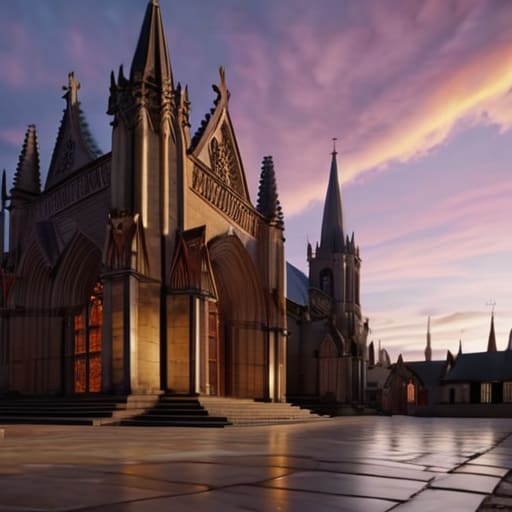
I remember sitting in the back corner of a dim jazz club in Detroit last autumn, the smell of old mahogany and rain-dampened wool hanging in the air. I wasn’t looking at the stage; I was tracing the heavy, Art Deco molding above the bar with my eyes, feeling the weight of the decades pressed into the plaster. People often treat architectural landmarks like items on a checklist—something to be photographed in a hurry and checked off a digital list—but that’s a hollow way to live. When we rush past these structures just to say we’ve seen them, we miss the quiet conversation between the stone and the city.
I’m not here to give you a dry lecture on blueprints or a list of overpriced tourist traps that lack a soul. Instead, I want to show you how to actually see these places. I’ll be sharing my personal observations on how to find the character in the shadows and the history in the textures that most people walk right past. We’re going to look for the landmarks that actually demand a moment of your time, focusing on the intentional beauty that lingers long after you’ve stepped back out into the street.
Table of Contents
Tracing the Monumental Building Significance in Quiet Moments
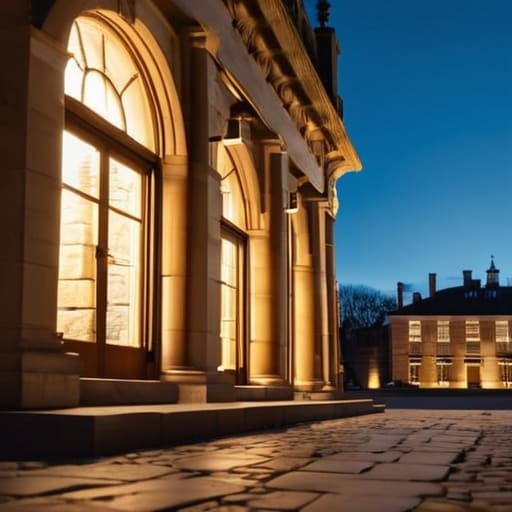
I’ve often found that the true weight of a structure isn’t felt when you’re rushing past it on your way to a meeting, but in those solitary moments when the city finally begins to settle. I remember sitting on a weathered bench near the old district last Tuesday, watching the way the streetlamps caught the limestone edges of a nearby library. It’s in these pauses that you truly grasp the monumental building significance of our surroundings. These aren’t just piles of stone and steel; they are the anchors of our collective memory, standing firm while the frantic pace of the world shifts around them.
When I look at the way our skyline has changed, I see more than just an urban landscape evolution. I see the layers of human ambition and the quiet struggle to make something permanent. Sometimes, I find myself sketching the heavy cornices of a pre-war building, thinking about the hands that carved them. There is a profound, quiet dignity in how these old giants hold their ground, reminding us that even in a world obsessed with the “new,” there is a sacred necessity in honoring the bones of the past.
Where Modernist Architectural Movements Meet the Dim Light
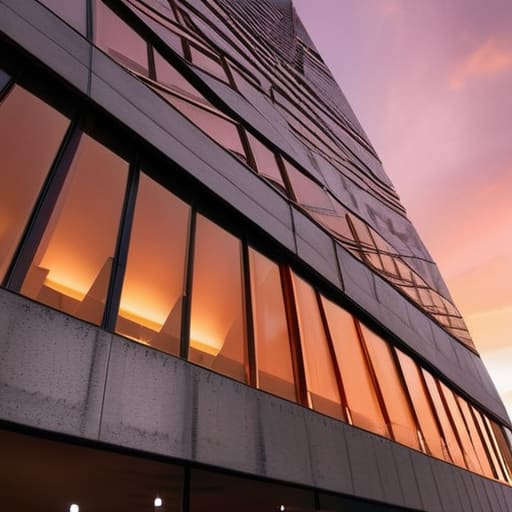
I often find myself standing at the edge of the glass-and-steel canyons just as the sun dips below the horizon. There is a specific, almost melancholic grace in how modernist architectural movements transition from the harsh clarity of daylight to the soft, amber glow of evening. When the shadows stretch, the rigid lines of a structure seem to soften, losing their clinical edge and gaining something much more soulful. It’s in these moments that the urban landscape evolution becomes visible; you can see the layers of history breathing through the concrete.
I remember sketching a particularly sharp-angled facade last Tuesday, trying to capture how the light caught the edge of a cantilevered balcony. It wasn’t just about the geometry, though. It was about how the building seemed to hold the quiet of the street within its very frame. We often talk about the sheer scale of an iconic skyscraper design, but we rarely discuss how these giants dictate the rhythm of our nights. When the streetlamps flicker on, these monuments stop being mere obstacles of glass and start becoming silent sentinels of our shared history.
How to Truly Listen to the Stones
- Leave the map in your pocket for an hour. The best way to understand a landmark isn’t by checking off a list of dates, but by letting your feet find the rhythm of the street and seeing where the shadows naturally pull you.
- Look up, but don’t just stare. I always find that the most profound stories are hidden in the cornices and the way a gargoyle catches the evening light; it’s in those small, intentional details that the architect’s soul actually resides.
- Seek out the “blue hour.” There is a specific, fleeting moment just after sunset when the stone seems to lose its weight and begins to glow from within. It’s the perfect time to sit on a nearby bench and simply exist alongside the structure.
- Bring a small notebook, even if you aren’t an artist. Sketching the curve of an archway or the texture of a column forces your eyes to slow down and actually process the geometry of the space rather than just glancing at it.
- Find the quietest corner of the site. Every great landmark has a side street or a courtyard that the crowds overlook. That is where you’ll find the true character of the building, away from the noise and the rush of the modern world.
The Lessons Left Behind in the Stone
True architectural beauty isn’t found in a textbook or a guidebook, but in those quiet, unscripted moments when a building’s shadow catches your eye just right.
We must learn to look past the grand scale of a monument and instead find the intimacy in its details—the texture of the brick, the way the light hits a corner, the soul of the craftsmanship.
Slowing down to observe our surroundings allows us to connect with the layers of history that modern life so often tries to rush right past.
The Soul Within the Stone
“A landmark isn’t merely a triumph of engineering or a landmark on a map; it is a vessel for the quiet, collective memory of a city, standing still while the rest of the world rushes past in a blur.”
Petra Lindgren
The Last Note of the Evening
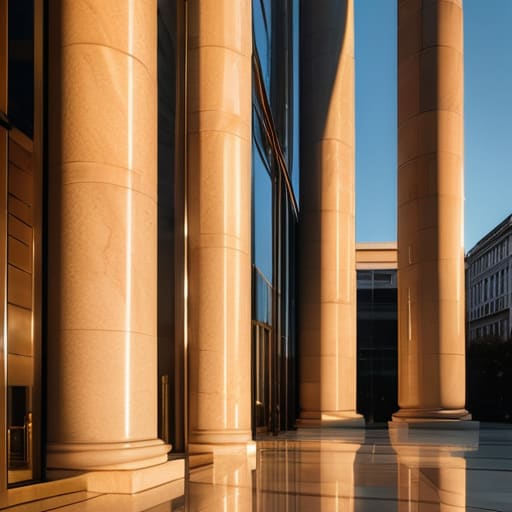
As the sun dips below the skyline and the shadows stretch long across the pavement, we see these landmarks for what they truly are. They aren’t just feats of engineering or mere collections of stone and glass; they are the silent witnesses to our shared history. Whether it is the heavy, rhythmic weight of a neoclassical facade or the sharp, intentional lines of a modernist masterpiece, these structures provide a stage for our lives to unfold. We have explored how they hold the light and how they anchor our cities, reminding us that true permanence is found in the way a building makes us feel when the world finally slows down.
I often find myself sitting on a weathered bench near a great archway, sketching the curves in my notebook while the city hums around me. It is in these quiet intervals that I realize we don’t need to rush toward the next destination. The beauty of an architectural landmark isn’t found in a guidebook or a quick photograph, but in the slow, intentional observation of its soul. So, the next time you find yourself walking through a familiar street, I urge you to look up. Stop, breathe, and let the architecture tell you its story. After all, the things that truly stay with us are the ones we took the time to actually notice.
Frequently Asked Questions
How can we learn to appreciate the history of a building without needing a formal degree in architecture?
You don’t need a degree; you just need to stop rushing. When I walk past an old facade, I don’t look for technical terms. Instead, I look for the human traces—the way a stone step has been worn smooth by a century of footsteps, or how the light catches a hand-carved lintel. Approach a building like a piece of music. Listen to its rhythm, notice its texture, and let it tell you its story.
Are there specific times of day or lighting conditions that truly reveal the soul of these older structures?
It’s always the blue hour for me—that fleeting moment just after sunset when the sky turns a deep, bruised indigo. The shadows stretch long and soft, blurring the harsh edges of the stone. Or, if you’re feeling particularly patient, try the early morning fog. There’s something about the way a damp, gray light clings to old masonry; it makes the buildings feel less like static objects and more like living, breathing witnesses.
How do we balance the need to preserve these historic landmarks with the constant, rushing demand for modern development?
It’s the great tension of our time, isn’t it? We’re so hungry for the new that we often treat the old as mere obstacles. But preservation shouldn’t be about freezing a city in amber; it’s about integration. We must find ways to weave the new into the existing fabric, ensuring a glass tower doesn’t silence the history of the brickwork beside it. We owe it to our future selves to keep the soul intact.
