
I was sitting in a modern, glass-fronted shop downtown yesterday, watching a young man tap furiously at a laptop while sipping a drink that looked more like a chemistry experiment than a beverage. It struck me how much we’ve lost. People talk about coffee house culture as if it’s a frantic race to find the fastest Wi-Fi or the most Instagrammable foam, but that isn’t culture at all; it’s just efficient consumption. To me, a true cafe shouldn’t feel like a sterile office or a high-speed transit hub. It should feel like a sanctuary where the steam from your cup carries a bit of magic and the world outside is allowed to fade into a soft, distant blur.
I’m not here to give you a list of the trendiest spots or tell you which bean was harvested by moonlight. Instead, I want to share how to find those rare, quiet corners where the light is low and the conversation is meaningful. I’ll guide you through the art of reclaiming your time, teaching you how to seek out spaces that actually honor the ritual of a slow afternoon. Let’s rediscover what it means to truly sit, listen, and stay a while.
Table of Contents
The Third Place Concept Finding Solace in Shared Spaces
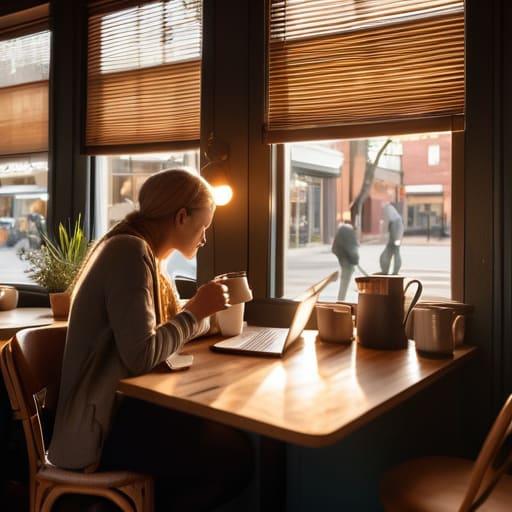
I’ve always been fascinated by how certain rooms seem to hold more than just furniture and patrons; they hold a specific kind of energy. In my years working with archives, I learned that every space has a history, but it’s the social dynamics of coffee shops that truly breathe life into them. Sociologists often refer to this as the third place concept, a vital sanctuary that exists between the demands of the office and the solitude of the home. It is that rare, neutral ground where the hierarchy of the world seems to soften just a little.
When I sit in a corner booth, I’m not just looking for a caffeine fix; I’m looking for a sense of belonging without the obligation of conversation. There is a profound comfort in being “alone together”—surrounded by the soft clinking of ceramic and the low murmur of neighbors, yet perfectly content in one’s own company. Whether it’s the shared nod between regulars or the quiet rhythm of a stranger reading the paper, these spaces provide a communal heartbeat that keeps our modern, isolated lives from feeling quite so hollow.
Specialty Coffee Movement Savoring the Details in Every Cup

I remember when a cup of coffee was merely a bitter, steaming necessity to get through a morning of filing records. But lately, I’ve found myself drawn to the quiet revolution of the specialty coffee movement, where the process is treated with the same reverence I once gave to preserving a delicate manuscript. There is a deliberate, almost meditative quality to watching a barista weigh beans or monitor a pour-over. It isn’t just about the caffeine; it’s about the intentionality of the craft.
When I sit in these modern spaces, I notice how the focus has shifted from mere consumption to a deep appreciation of origin and nuance. You can almost taste the history of the soil in a single sip. This shift has subtly influenced the neighborhood cafe atmosphere, moving away from the frantic energy of old diners toward something much more composed. I find myself pulling out my notebook, not just to sketch the window frames, but to linger over the complex notes of jasmine or stone fruit that a well-made brew reveals. It’s a reminder that some things simply cannot be rushed.
The Art of Lingering: Five Ways to Truly Inhabit a Space
- Leave the frantic pace at the door. When you step inside, resist the urge to pull out your phone immediately. Instead, take a moment to let your eyes adjust to the lighting and let the room settle around you.
- Seek out the corners. There is a particular kind of peace found in a booth tucked away from the main thoroughfare. Find a spot where you can observe the ebb and flow of the room without feeling like part of the current.
- Listen to the room’s rhythm. Every cafe has its own soundtrack, whether it’s the rhythmic hiss of the milk steamer or a soft jazz record spinning in the background. Treat these sounds as the texture of your evening rather than mere noise.
- Carry something tactile. I always bring my notebook to sketch the molding or the way the light hits a ceramic mug. Having something in your hands that isn’t a screen invites you to engage more deeply with your surroundings.
- Practice the slow sip. Don’t treat your coffee as fuel to be consumed on the way to something else. Treat it as a companion. Let the warmth of the cup and the complexity of the roast be the centerpiece of your pause.
The Quiet Lessons of the Cafe
Real connection isn’t found in the rush of a transaction, but in the shared stillness of a space that allows you to simply exist alongside others.
True quality requires a willingness to slow down; whether it is the notes in a roast or the melody in the background, the best things reveal themselves only to those who linger.
A coffee house serves as a vital sanctuary for the soul, offering a necessary pause from the noise of the world to help us reclaim our own sense of rhythm.
The Rhythm of the Room
“A coffee house isn’t just a place to fuel up for the morning rush; it’s a sanctuary of soft edges, where the clink of a ceramic spoon and the low murmur of strangers create a sort of communal stillness that the modern world has all but forgotten.”
Petra Lindgren
The Quiet After the Last Sip

As I sit here, closing my notebook and watching the steam rise from my cooling mug, I’m reminded that coffee houses offer us much more than a simple caffeine fix. We’ve talked about the necessity of these “third places” to anchor our social lives, and how the craft of the specialty movement forces us to slow down and respect the nuance of a single bean. Whether it is the communal warmth of a shared table or the solitary peace found in a corner booth, these spaces act as a vital buffer between the rush of our responsibilities and the stillness of our homes. They are, quite simply, the anchors of our urban rhythm.
My advice to you is this: don’t just walk through these doors to check a box or grab something to go. Instead, leave your phone in your pocket and allow yourself to truly inhabit the space. Listen to the hiss of the milk steamer, watch the way the afternoon light hits the wood grain, and let the atmosphere settle into your bones. In a world that demands we move faster every single day, there is a profound, quiet rebellion in choosing to stay a while. Go find a dim corner, order something made with care, and just be present.
Frequently Asked Questions
How can one find a truly quiet corner in a busy shop when the world seems to be getting louder and faster every day?
It’s a challenge, isn’t it? I’ve found that the secret lies in the periphery. Don’t aim for the center of the room where the steam wand screams and the chatter peaks. Instead, look for the alcoves—the small, shadowed nooks near the back or tucked behind a bookshelf. I often bring my notebook and seek out those slightly worn, velvet chairs in the corners. If you find a spot where the light is soft and the hum becomes a melody rather than a roar, you’ve found your sanctuary.
Is there a way to support these local sanctuaries without feeling like I'm intruding on someone else's solitude?
It’s a delicate balance, isn’t it? I often feel the same way, sitting with my notebook in a corner. My rule is simple: treat the space with the same reverence you’d give a quiet library. Buy your drink, find your nook, and let the atmosphere do the rest. You aren’t an intruder; you’re part of the living texture of the room. Your quiet presence, as long as it’s respectful, actually helps sustain the very stillness you’re seeking.
Beyond the caffeine, what can we do to preserve the character of these spaces as they become more polished and modern?
We must resist the urge to smooth over the cracks. As these spaces modernize, we should champion the “imperfect” elements—the creaky floorboards, the mismatched chairs, and the local art that hasn’t been curated by a corporate committee. I find that patronage is our best tool; choose the shop that values a lingering conversation over a high turnover rate. Let’s protect the soul of the room, not just the efficiency of the service.
