
I’ve spent most of my life in archives, surrounded by the quiet weight of history, so I have a low tolerance for anything that feels performative. Lately, I’ve noticed that much of what passes for craft beer culture has become more about the pretension than the pour. I’m tired of seeing people treat a pint like a science experiment, reciting endless lists of hops and chemical compounds as if they’re reading a technical manual rather than enjoying a drink. It’s become a frantic race to find the next “exclusive” release, leaving very little room for the simple, quiet joy of a well-made brew in a comfortable chair.
I’m not here to teach you how to score a rare IPA or how to impress your friends with jargon you don’t actually care about. Instead, I want to strip away the noise and get back to the basics of what makes a good evening. I promise to share my thoughts on how to navigate this landscape with a bit of intention, focusing on the small, authentic moments that actually matter. We’re going to find the places where the beer is honest, the lights are dim, and the experience is something that actually stays with you.
Table of Contents
Small Batch Brewing Processes and Quiet Intentions
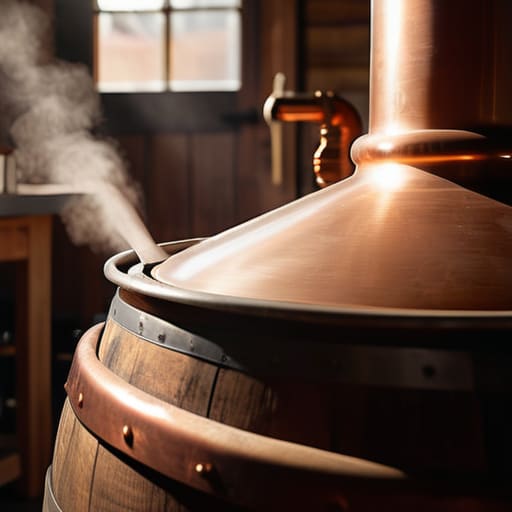
There is a certain reverence in watching a brewer work, much like the quiet focus I used to see in the archives. Unlike the frantic pace of modern manufacturing, the small-batch brewing process demands a level of patience that feels almost rebellious these days. You can see it in the way they handle the grain or the meticulous way they track the temperature. It isn’t about sheer volume; it’s about the intention behind every single kettle.
When you sit at a wooden bar and peel back the layers of a well-crafted ale, you aren’t just drinking; you are experiencing a study in detail. I’ve found that understanding different hop varieties and flavor profiles changes the way you sit with your glass. One moment you’re catching a bright, citrusy note that cuts through the evening air, and the next, you’re grounded by a deep, earthy bitterness. It’s a slow conversation between the brewer and the ingredients, a quiet dialogue that rewards those of us who aren’t in a hurry to get anywhere else.
Finding Soul in the Independent Brewery Movement

There is a certain kind of magic in walking into a space that wasn’t designed for mass production. When I wander into one of these local taprooms, I’m not looking for the bright lights or the frantic energy of a stadium; I’m looking for the fingerprints of the people behind the counter. The independent brewery movement has always felt more like a collection of shared secrets than a commercial industry. You can sense it in the way the air smells of toasted malt and the way the brewer might actually stop to explain a specific batch to a curious stranger.
It’s about the intention behind the glass. Instead of the relentless rush to scale up, these places seem to embrace the slow, deliberate rhythm of the craft. I find myself lingering over the nuanced hop varieties and flavor profiles that define a seasonal release, letting the complexity settle before I even take a sip. It’s a reminder that when we support these smaller outfits, we aren’t just buying a drink; we are participating in a quiet rebellion against the disposable and the hurried. There is a profound, steady dignity in doing something small, and doing it well.
The Art of the Slow Pour: Five Ways to Truly Experience a Brew
- Seek out the quiet corners. Instead of heading for the high-top tables in the center of a crowded taproom, find a small booth or a stool tucked away in a dim nook. It’s much easier to appreciate the amber hue of a seasonal ale when you aren’t fighting the glare of a neon sign.
- Listen to the room. A good brewery often has a rhythm of its own—the low hum of conversation, the clinking of heavy glassware, maybe even a well-curated jazz record playing in the background. Don’t just drink; let the atmosphere settle around you.
- Read the story behind the label. I’ve learned that every small-batch pour has a lineage. Take a moment to look at the name of the brewery or the notes on the tap handle. Understanding the hands that brewed it makes the first sip feel a bit more like a conversation and less like a transaction.
- Let it breathe. Much like a vintage record needs the right needle, a complex stout or a heavy porter needs time. Don’t rush the glass. Let the temperature settle and the aromas rise; the best flavors usually reveal themselves once you’ve stopped rushing.
- Carry a notebook, even if you aren’t sketching. There is something to be said for jotting down a single word or a fleeting thought about a particular hop profile. It turns a simple evening out into a small, personal archive of things worth remembering.
The Quiet Lessons in a Glass
Seek out the places that prioritize patience over profit, where the brewer’s hands are as visible as the ingredients.
Trade the neon-lit rush of the modern pub for the steady, intentional rhythm of a local taproom.
Remember that the best way to experience a new brew is to sit still, listen to the room, and let the flavors tell their own story.
The Quiet Ritual of the Pour
“A truly great craft beer isn’t just about the hops or the grain; it’s about that momentary pause when the world stops rushing, the light dims just right, and you finally take the time to actually taste the intention behind the glass.”
Petra Lindgren
The Last Drop

At the end of the day, understanding craft beer isn’t about memorizing an endless list of hops or the technicalities of a fermentation tank. It’s about recognizing the quiet intention behind the glass. We’ve looked at how the meticulous, small-batch processes mirror the care of a master archivist, and how the independent brewery movement serves as a vital heartbeat for our local communities. When we choose a pint from a neighborhood brewer over a mass-produced lager, we aren’t just buying a drink; we are participating in a deliberate act of preservation for a culture that values craftsmanship over convenience.
So, the next time you find yourself standing before a crowded bar, I encourage you to step back from the noise. Find that dim corner, perhaps near a window where the streetlights catch the amber glow of your glass, and just sit for a moment. Let the complexity of the brew unfold at its own pace, much like a well-worn jazz record. Life moves far too quickly to rush through the things that actually matter. Instead, let us find beauty in the slow, intentional pour and remember that the most meaningful evenings are often found in the smallest of details.
Frequently Asked Questions
How can I tell the difference between a brewery that's just following a trend and one that actually has a soul?
You look at the details. A trend-follower chases the latest hype, usually with a flashy taproom and a menu that reads like a checklist of what’s popular on social media. But a brewery with soul? They have a sense of continuity. Look for the subtle imperfections—the way the staff knows the story behind a specific hop, or a cellar that feels lived-in rather than staged. Soul isn’t found in a trend; it’s found in the patience of the pour.
Are there specific styles of beer that pair better with a quiet, contemplative evening than others?
If you’re looking to settle in, I’d steer clear of anything too bright or aggressive. For a quiet evening, I find myself reaching for a stout or a porter; there’s a certain weight to them, a dark, roasted comfort that demands you slow down. Alternatively, a well-aged barleywine can be a wonderful companion to a dim room. They aren’t drinks you rush through—they are meant to be sipped alongside a good book or a soft melody.
Where can I find these smaller, independent taprooms without getting caught up in the usual loud, crowded crowds?
You won’t find them on the neon-lit main drags. To find the real quiet, look for the taprooms tucked into old industrial districts or tucked behind unassuming storefronts in residential neighborhoods. I usually look for places that don’t bother with flashy signage—the ones that feel more like a neighbor’s living room than a commercial hub. If the lighting is low and the seating isn’t arranged for a crowd, you’ve likely found your sanctuary.
