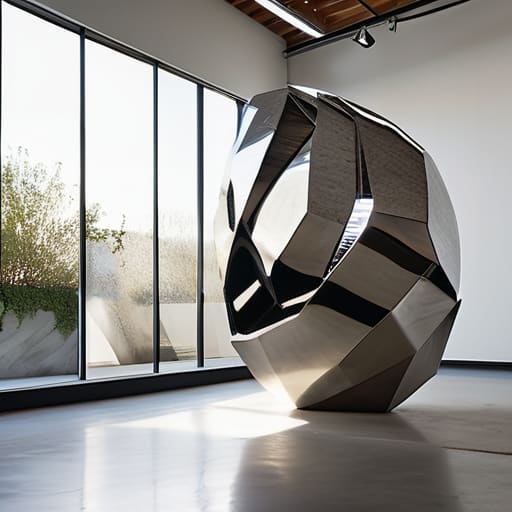
I was sitting in a drafty gallery last Tuesday, nursing a lukewarm coffee, when I found myself staring at a massive, jagged heap of rusted steel that someone had labeled as a profound piece of contemporary sculpture. Around me, people were nodding with practiced gravity, pretending to decipher a meaning that simply wasn’t there. It felt like a performance—a hollow ritual where the pretension outweighed the actual art. I’ve spent forty years in archives, handling objects that were built to endure and tell a story, and it frustrates me to see how often we mistake complexity for depth.
I’m not here to teach you how to decode high-concept jargon or how to impress a curator at a cocktail party. Instead, I want to help you find the pieces that actually speak to you when the room goes quiet. We’re going to strip away the hype and look at contemporary sculpture through a different lens—one that values texture, weight, and that rare, lingering feeling an object leaves in your chest. I promise to show you how to stop merely looking and start truly noticing the soul of the work.
Table of Contents
Finding Stillness Within Abstract Sculptural Forms
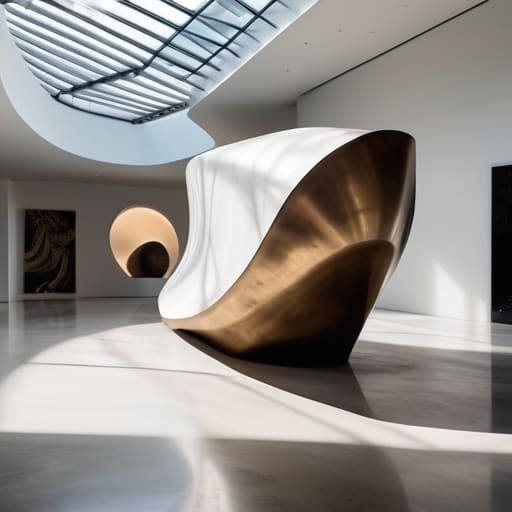
I’ve always found that the most profound conversations happen in the silences between notes. It is much the same when you stand before abstract sculptural forms in a quiet gallery. There is a temptation, especially in our frantic age, to try and “solve” a piece—to demand it tell us exactly what it represents. But I’ve learned through years of archival work that some things are meant to be felt rather than decoded. When a shape doesn’t mimic a human limb or a recognizable object, it forces you to stop searching for a definition and start noticing the way the light catches a curve or how a shadow stretches across the floor.
It is often the sculptural materiality and texture that anchors these moments of stillness. I find myself leaning in closer, much like I would to a well-worn jazz record, to see how the artist has manipulated the medium. Whether it is the grit of unpolished stone or the cold, smooth defiance of steel, these tactile details demand our presence. When we stop trying to categorize the work, we finally allow the art to breathe, creating a space where we can simply be alongside it.
The Intimacy of Sculptural Materiality and Texture

There is a specific kind of magic that happens when you stop looking at a piece as a whole and start looking at its skin. In my years among the archives, I learned that the most profound stories aren’t found in the grand headings, but in the grain of the paper or the fraying of a binding. The same holds true here. When I stand before a piece, I find myself drawn to the way light catches a rough-hewn edge or how a smooth, polished surface seems to swallow the room’s dim glow. It is in this sculptural materiality and texture that the artist truly begins to speak to you, bypassing the intellect and going straight for the senses.
I’ve noticed a shift in recent sculpture exhibition trends; there is less interest in the pristine and more in the tactile. Artists are increasingly leaning into mixed media art techniques, layering rusted steel against delicate silk or heavy stone against porous wood. It forces you to slow down. You can’t just glance; you have to lean in, almost as if you’re trying to feel the temperature of the material through your eyes alone. It’s a reminder that the most lasting impressions often come from the smallest, most physical details.
How to Truly Sit With a Piece
- Don’t treat the gallery like a checklist. It’s tempting to move from one pedestal to the next just to say you’ve seen it all, but I’ve found the real magic happens when you pick one piece and stay with it long enough for the silence to settle.
- Watch how the light plays across the surface. Whether it’s the way a shadow pools in a bronze crevice or how sunlight catches a polished edge, sculpture is a dance between the object and the room around it.
- Move your body, not just your eyes. A sculpture isn’t a painting; it demands that you walk around it, crouch low, or look up from a different angle. You can’t understand its weight or its presence if you stay standing in one spot.
- Listen to the silence the piece creates. Sometimes a large, heavy installation seems to swallow the ambient noise of the room, creating a pocket of stillness that is just as much a part of the art as the material itself.
- Ask yourself what remains when you look away. After you’ve left the room, does the shape of that curve or the tension of that metal still sit in the back of your mind? If it lingers, that’s when you know you’ve actually encountered something worth remembering.
Lessons from the Shadows
Don’t rush through the gallery as if you’re checking items off a list; instead, allow yourself the luxury of time to see how a single form changes as you move around it.
Pay attention to the way light and shadow play across a surface, for it is often in the dim, quiet corners of a piece that its true character is revealed.
Seek out the textures that demand a moment of stillness, letting the physical weight and grain of the material anchor you in the present moment.
## The Weight of a Shadow
“A great piece of sculpture doesn’t demand your attention with a shout; it waits for you to quiet your mind, offering itself up only when you finally stop rushing and allow its shadows to settle against the light.”
Petra Lindgren
The Echo of the Form
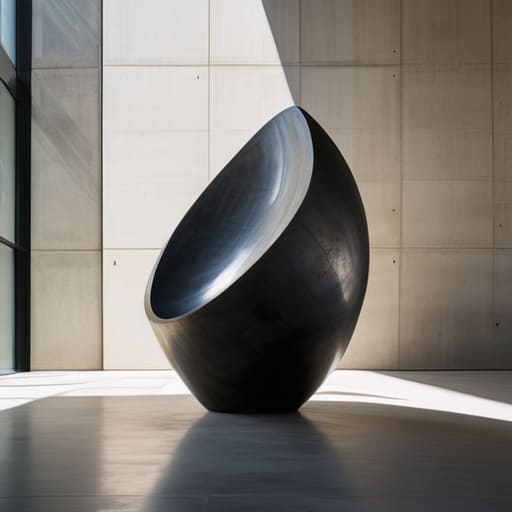
As we step back from these works, it becomes clear that contemporary sculpture is far more than just an arrangement of weight and volume in a room. We have explored how the quietude of abstract shapes can offer a rare moment of stillness, and how the raw, tactile honesty of stone, steel, or glass invites us to connect with the physical world in an increasingly digital age. It isn’t just about the object itself, but about how that object commands the space around it and how it demands our presence. When we truly look—not just glance—we begin to understand that the artist isn’t just shaping material, but is actually sculpting our perception of time and space.
My advice to you, as you wander through your next gallery or public plaza, is to resist the urge to move on to the next piece the moment you think you’ve “seen” it. Stay a little longer. Let the shadows move across the surface; let the scale of the work settle into your bones. In a world that insists on constant movement and loud distractions, there is a profound, quiet rebellion in simply standing still before a piece of art. Don’t just observe the sculpture; allow it to linger in your mind long after you have left the building. That is where the real conversation begins.
Frequently Asked Questions
How can I tell the difference between a piece that is truly meaningful and one that is just trying to be loud or provocative?
It’s a question I often ask myself when I’m standing in a quiet gallery. The loud pieces—the ones shouting for your attention with sheer scale or shock value—usually leave you feeling exhausted rather than moved. To find the meaningful ones, look for the resonance. A truly profound piece doesn’t demand you look at it; it waits for you to notice it. If the work lingers in your mind like a soft jazz melody long after you’ve left, you’ve found something real.
Is there a way to appreciate these works without feeling like I need a degree in art history to understand them?
You don’t need a degree; you just need to be present. When I look at a piece, I don’t reach for a textbook; I reach for my senses. Forget the dates and the movements for a moment. Instead, ask yourself how the light hits the curve of the metal, or how the weight of the stone makes the room feel. If a shape makes you pause or feel a sudden, quiet tug in your chest, that’s enough.
Where can I find spaces that allow for this kind of quiet, slow observation rather than the usual rushed gallery experience?
I’ve found that the best way to escape the gallery rush is to seek out smaller, non-traditional spaces. Look for boutique sculpture gardens tucked away in residential neighborhoods, or local university halls where the halls are quiet and the lighting is dim. Even a small, independent museum on a weekday afternoon can offer that necessary pause. Avoid the grand, high-traffic institutions; instead, find those quiet corners where the art is allowed to breathe.
