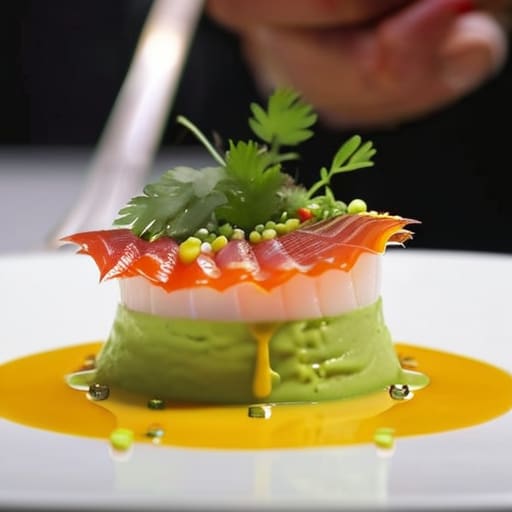
I remember sitting in a dimly lit corner of a jazz club in Detroit back in the late seventies, the air thick with saxophone notes and the scent of rain on pavement. I wasn’t looking for a culinary revolution; I just wanted a meal that felt as honest as the music. Lately, however, I see culinary fusion being treated like some high-concept laboratory experiment—all foam, tweezers, and pretension designed to confuse rather than comfort. Too often, these “innovative” dishes feel like they were assembled by someone looking at a spreadsheet instead of a soul, stripping away the history that makes food worth eating in the first place.
I have no interest in chasing the next expensive trend or decoding a menu that reads like a technical manual. Instead, I want to talk about the moments where different cultures actually meet on a plate with grace and intention. In the following pages, I’ll share my thoughts on how to find the true heart of culinary fusion, focusing on the flavors that actually linger in your memory long after the candles have burned down. We are going to look past the hype and find the dishes that truly deserve a seat at your table.
Table of Contents
Tracing the Quiet Evolution of Fusion Cuisine
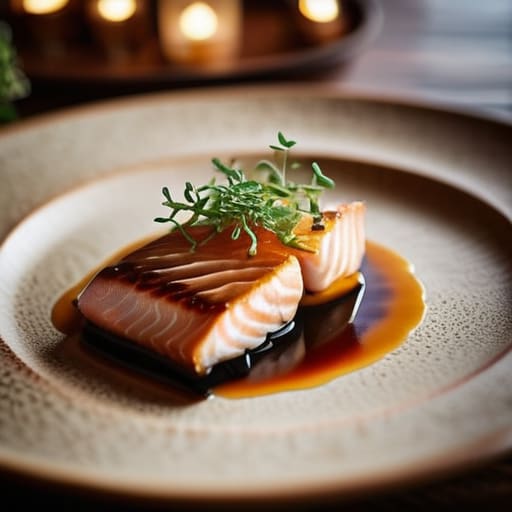
I remember sitting in a cramped, dimly lit bistro in the late seventies, watching a chef carefully balance miso with a reduction that felt entirely too French for the setting. Back then, it felt like a quiet rebellion. We weren’t calling it a trend; we were simply witnessing the evolution of fusion cuisine in its most unpolished, honest form. It wasn’t about the spectacle of a social media post, but rather a slow, rhythmic dialogue between traditions that had traveled oceans to finally meet on a single plate.
Today, that dialogue has grown much more sophisticated. As I sit in these modern spaces, sketching the way the light hits a polished mahogany bar, I notice how the conversation has deepened. It isn’t just about throwing disparate elements together anymore; it’s about the nuance of cross-cultural flavor profiles that respect their origins while daring to dream of something new. We are seeing a shift away from the loud, jarring combinations of the past toward a more intentional, soulful way of eating—one where the history of an ingredient is just as important as the bite itself.
Finding Soul in Cross Cultural Flavor Profiles
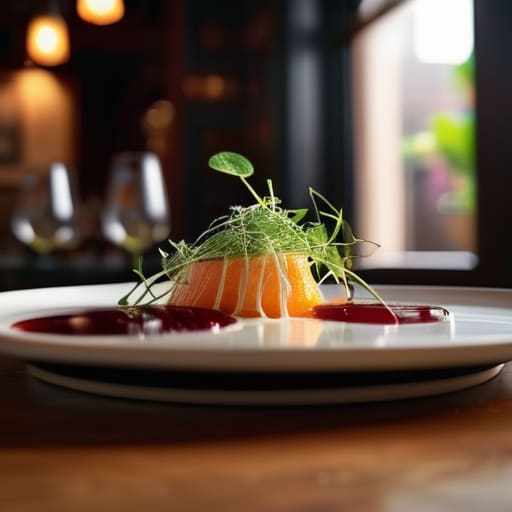
When I sit in a corner booth, watching the steam rise from a plate, I’m not just looking for a meal; I’m looking for a story. There is a certain magic in cross-cultural flavor profiles that feels less like a gimmick and more like a conversation between distant shores. It’s the way a sharp, citrusy note from a Southeast Asian lime can suddenly find its home alongside the deep, earthy richness of a French reduction. These aren’t just accidents of the kitchen; they are the result of a slow, beautiful cultural culinary exchange that happens when we stop viewing borders as walls and start seeing them as meeting places.
I find myself sketching the way these dishes are composed, much like the architecture of the jazz clubs I frequent. There is a rhythm to it. You have the foundational bass notes of traditional spices, layered with the improvisational melody of innovative ingredient pairings that shouldn’t work on paper, yet sing on the palate. It’s in these unexpected harmonies that the true soul of a dish resides—the kind of depth that lingers in your memory long after the restaurant has dimmed its lights and the night has grown quiet.
How to Taste the Story, Not Just the Dish
- Look for the common thread. Just as a jazz standard can be reimagined through different lenses without losing its heart, a good fusion dish relies on a shared foundation—perhaps a specific spice or a cooking technique—that allows two cultures to shake hands rather than collide.
- Respect the history of the ingredients. As an archivist, I know that every element has a lineage. When you encounter a dish that blends traditions, take a moment to consider where those flavors traveled from; it makes the meal feel less like a trend and more like a conversation.
- Favor the subtle over the loud. A truly memorable fusion isn’t a shouting match of competing spices. It should be like a well-mixed vinyl record, where the unexpected notes sit just beneath the surface, inviting you to lean in closer rather than overwhelming your senses.
- Seek out the intentional imperfections. Don’t look for the polished, mass-produced fusion found in bright, hurried eateries. The best pairings are often found in small, dim-lit corners where a chef is experimenting with a single, soulful marriage of flavors that feels lived-in and real.
- Slow down your palate. You cannot rush a complex melody, and you certainly cannot rush a dish that is trying to tell you two stories at once. Give yourself permission to linger over a single bite, letting the different cultural layers unfold one by one.
The Lingering Notes of a Shared Table
True fusion isn’t about a frantic collision of ingredients, but a slow, respectful conversation between two different histories.
Look for the small, intentional details in a dish—the way a single spice can bridge the gap between distant shores—rather than just the novelty of the mix.
When we embrace these blended flavors, we aren’t just eating; we are participating in a living archive of human connection that stays with us long after the meal ends.
The Alchemy of the Unlikely
Fusion isn’t about the cleverness of a chef’s technique; it’s about that quiet, unexpected moment when two distant histories meet on a single plate and suddenly, they make perfect sense together.
Petra Lindgren
The Lingering Aftertaste
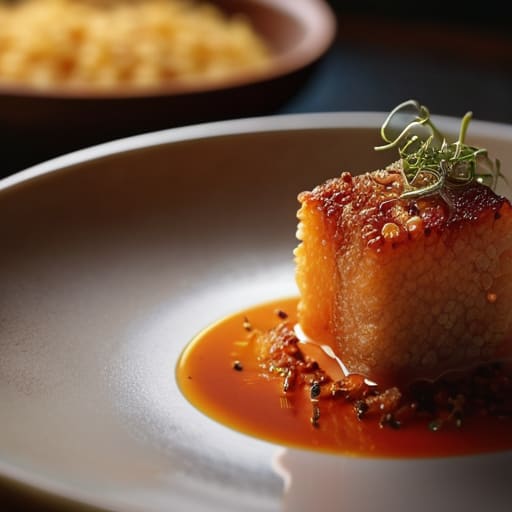
As I sit here in the corner of this dimly lit bistro, watching the steam rise from a plate that defies simple categorization, I am reminded that fusion is rarely about the cleverness of a recipe. It is about the history we carry with us. We have traced how these flavors evolved not through sudden bursts of trendiness, but through the slow, quiet movement of people and their traditions. Whether it is the unexpected warmth of a spice meeting a local grain or the way a sauce bridges two distant continents, these dishes are living archives. They tell a story of adaptation and survival, proving that when we blend our worlds, we don’t lose our identity; we simply expand our horizons.
So, the next time you find yourself sitting before a dish that seems to belong to two places at once, I ask you to do more than just eat. Slow down. Notice the way the textures play against one another and how the scents evoke memories you didn’t know you held. In a world that demands we consume everything at a frantic pace, let these complex flavors be your reason to pause. Let the meal be a meditation on connection. After all, the most beautiful things in life—much like a great jazz solo or a well-preserved record—are the ones that take a moment to truly understand, leaving a lasting resonance long after the table is cleared.
Frequently Asked Questions
How can we tell the difference between a dish that truly honors its roots and one that simply uses culture as a trend?
It comes down to the intention behind the plate. When I look at an old record, I can tell if it’s a masterwork or just a cheap imitation; food is no different. A dish that honors its roots feels intentional, respecting the history of the ingredients even as they dance together. A trend, however, feels loud and hollow—it’s all flash and no substance. Look for the nuance, the quiet respect for the source.
Is there a way to find these fusion experiences without the noise and rush of the more popular, modern dining spots?
You have to look for the places that don’t shout. Avoid the neon signs and the frantic energy of the downtown hubs. Instead, follow the scent of spices into the older, quieter neighborhoods—the kind of spots where the menu is handwritten and the lighting is low enough to make you lean in. Look for the family-run kitchens tucked between jazz clubs. There, the fusion isn’t a trend; it’s just a quiet, delicious history.
When two distinct culinary traditions meet, how do we ensure the soul of the original flavors isn't lost in the blend?
It’s a delicate balance, much like a well-composed jazz standard. You don’t want the instruments to drown one another out; you want them to converse. To keep the soul intact, a chef must respect the “anchor” of the dish—that one foundational spice or technique that defines the heritage. When you treat the new ingredient as a guest rather than an intruder, the flavors don’t clash; they find a way to linger together.
