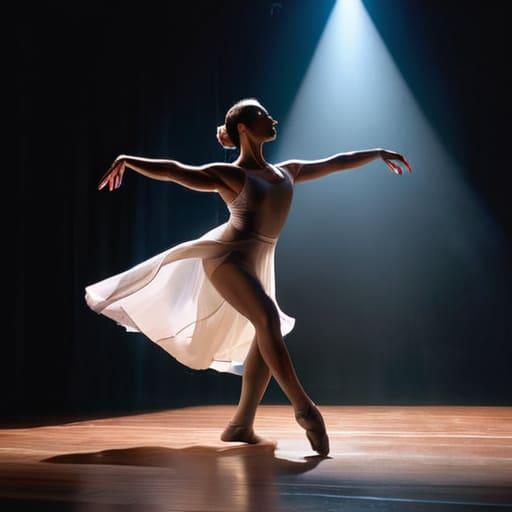
I remember sitting in a drafty studio in Ann Arbor decades ago, watching a performer move with such raw, unvarnished intent that I forgot to breathe. There was no grand orchestra, no velvet curtains—just the sound of feet hitting wood and the heavy silence of a room holding its breath. Lately, I’ve noticed a frustrating trend where people treat modern dance shows like intellectual puzzles to be solved or status symbols to be checked off a list. They arrive with their phones ready and their minds already racing toward the exit, missing the point entirely. They’re looking for a lecture, when they should be looking for a feeling.
I’m not here to give you a technical breakdown of choreography or a list of pretentiously titled avant-garde pieces that leave you feeling more confused than moved. Instead, I want to show you how to actually sit with the performance. I’ll share my personal guide to finding the soul in these movements, helping you navigate the local scene so you can find those rare, quiet moments that stay with you long after the house lights come up.
Table of Contents
The Quiet Pull of Expressive Dance Choreography
There is a specific kind of gravity in a room when the dancers begin to move. It isn’t just about the athleticism or the precision of a leap; it’s about the way expressive dance choreography seems to pull the very air out of the lungs of everyone watching. I remember sitting in a small, dimly lit theater last autumn, watching a piece that felt less like a rehearsed routine and more like a shared secret. The dancers didn’t just occupy the stage; they inhabited the silence between the notes, turning every gesture into a sentence that didn’t need words to be understood.
When you step away from the frantic pace of the everyday, you start to notice the nuances of contemporary dance movement styles. It’s in the heavy, grounded fall of a limb or the sudden, breathless suspension of a turn that the real story lives. Often, the magic is heightened by the way a production uses shadow and light to frame these moments. I find that the most profound experiences come when the innovative stage lighting for dance works in tandem with the performer, creating a visual rhythm that settles deep in your bones and stays there long after you’ve stepped back out into the streetlights.
How Innovative Stage Lighting for Dance Changes Everything
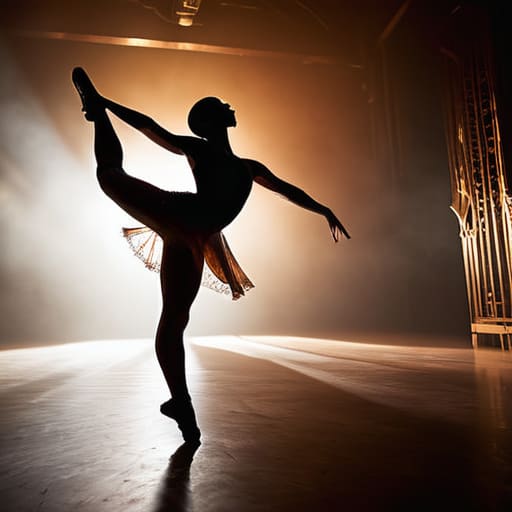
There is a specific kind of magic that happens when the house lights fade and the first beam of light cuts through the darkness. In my years spent cataloging dusty ledgers, I learned that context is everything; the same document can tell a different story depending on the light it sits in. The same is true for the stage. When you encounter innovative stage lighting for dance, it isn’t just about visibility; it’s about how the light sculpts the air itself. A sharp, side-lit amber glow can turn a simple leap into something monumental, casting long, dramatic shadows that make the dancers feel less like performers and more like architectural elements of the space.
I find myself leaning forward in my seat when a production uses light to manipulate time. Some modern dance theater production designs use strobe effects or sudden shifts in saturation to fracture the viewer’s perception, mirroring the complexity of contemporary dance movement styles. It forces you to stop merely watching and start feeling the rhythm of the illumination. It’s in these moments—where the glow catches the sweat on a brow or the tilt of a chin—that the dance performance aesthetics truly transcend the physical and become something purely emotional.
How to Truly Witness a Performance
- Arrive early and sit in the stillness. Don’t spend those first ten minutes scrolling through your phone; instead, let the hum of the empty theater settle around you. It prepares the spirit for what is to come.
- Watch the shadows, not just the dancers. In modern dance, the space between the bodies and the way the light hits the floor can be just as communicative as the choreography itself.
- Leave your expectations at the door. If you go in searching for a specific story or a tidy conclusion, you might miss the raw, abstract emotion that makes this art form so vital.
- Pay attention to the breath. There is a rhythmic, human quality to the dancers’ breathing that connects the audience to the physical effort on stage. It is the most honest part of the evening.
- Allow yourself to linger in the silence after the final note. The most profound part of a performance often happens in that heavy, quiet moment before the applause begins—the moment when the movement is still vibrating in your own chest.
What to Carry With You When the Curtain Falls
Don’t just watch the dancers; listen to the space between the movements, for it is in those pauses that the true story often resides.
Allow the interplay of light and shadow to guide your eyes, letting the atmosphere shape your mood rather than just following the spectacle.
Resist the urge to check your watch or your phone; a dance performance is a slow conversation that requires your full, unhurried presence to truly understand.
The Weight of a Single Gesture
“In the rush of a modern performance, it’s rarely the grand leaps that stay with you; it’s that one heavy, silent moment where a dancer holds still against the light, forcing you to finally stop breathing for a second and simply exist alongside them.”
Petra Lindgren
The Afterglow of the Performance
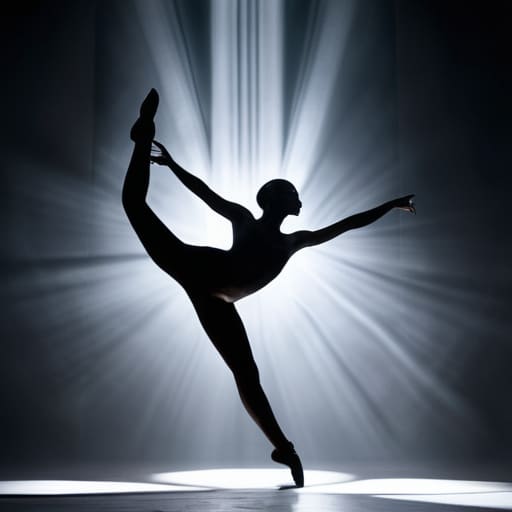
As I sit here in the quiet of my study, looking over the sketches I made of the stage’s geometry, I find myself thinking back to the sheer weight of the evening. We’ve discussed how the raw, expressive language of choreography speaks to our most unspoken emotions, and how the deliberate play of light can turn a simple stage into a vast, breathing universe. It isn’t just about the technical precision of a leap or the brightness of a spotlight; it is about the way these elements converge to create a singular, fleeting moment that demands your full presence. When the movement and the atmosphere align, the performance ceases to be a mere show and becomes a shared, visceral experience that stays with you long after you’ve stepped back out into the cool night air.
My advice to you is simple: when you find yourself at a modern dance performance, do not be in a hurry to leave once the curtain falls. Stay in your seat for a moment. Let the silence settle. We live in a world that is constantly trying to pull us toward the next distraction, the next notification, the next rush. But there is a profound, quiet dignity in simply allowing a piece of art to settle into your bones. Seek out these shows not just to be entertained, but to be truly still. In that stillness, you might just find the parts of yourself that the noise of the day usually drowns out.
Frequently Asked Questions
How do I know if a particular performance is meant to be a quiet, contemplative experience or something more high-energy and demanding?
It’s a fair question. I usually look for clues in the program notes or the venue itself. If the theater is small, intimate, and tucked away in a basement, expect a quiet, inward-looking evening. However, if the promotion emphasizes spectacle or grand scale, prepare for something more visceral. Personally, I find the most magic in those subtle, low-lit performances that demand you sit still and simply breathe with the dancers.
Are there certain venues or older theaters where the architecture and acoustics actually enhance the intimacy of a modern dance piece?
I often find myself sketching the molding in those old, velvet-draped theaters before the house lights even dim. There is a specific magic in a venue built before the era of digital perfection. An older theater, with its heavy plasterwork and worn wooden floors, doesn’t just hold an audience; it breathes with the performers. The acoustics wrap the movement in a certain warmth, making the silence between dancers feel just as intentional as the music itself.
For someone used to the structured rhythm of jazz or classical music, how should I prepare myself to truly "listen" to the storytelling in a dance performance?
Think of it like listening to a Miles Davis solo—you aren’t just waiting for the melody; you’re feeling the space between the notes. To “listen” to dance, stop looking for a literal plot. Instead, treat the dancers’ movements like a musical score. Watch how a sudden tension in their shoulders mirrors a crescendo, or how a slow descent carries the weight of a minor key. Let the rhythm settle in your bones before you try to name it.
