
I remember sitting in a drafty basement archive back in the late seventies, the smell of decaying paper and damp concrete thick in the air, when I first heard a scratched vinyl of a Dust Bowl ballad. It wasn’t the polished, over-produced nonsense you hear on the radio today; it was just a voice, a guitar, and a story that felt like it had been carved out of granite. People often mistake folk music for something dusty or academic, a mere relic to be filed away in a museum, but they couldn’t be more wrong. It isn’t about perfection or complex arrangements; it is about the raw, unvarnished truth of the human condition.
I’m not here to give you a lecture on musicology or a list of charts you can find anywhere else. Instead, I want to guide you toward the songs that actually demand your attention—the ones that make the world outside go quiet for a moment. We’re going to look past the hype and find the artists who understand that a single, well-placed chord can say more than a thousand words. Let’s rediscover the art of listening.
Table of Contents
Tracing Folk Music History and Origins Through Dimmed Lights

When I was working in the archives, I used to spend hours tracing how a single melody could migrate across oceans, changing its clothes but keeping its soul. Understanding folk music history and origins isn’t about dates in a textbook; it’s about recognizing the fingerprints of the people who came before us. These songs weren’t written for profit; they were born from oral traditions in music, passed from hand to hand and breath to breath around kitchen tables and dying fires. They were the only records that mattered to those who lived them.
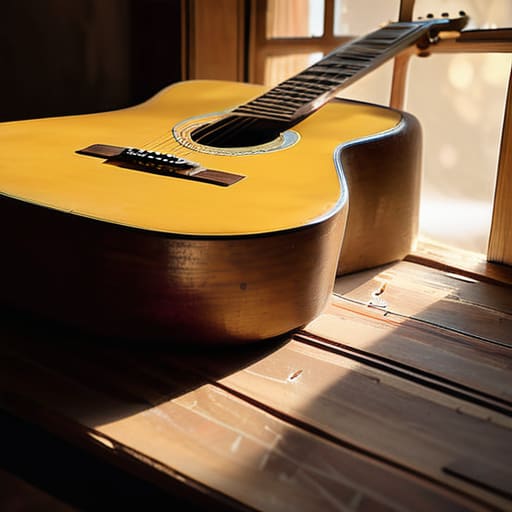
I often find myself sitting in the back of a quiet venue, watching a performer lean into a weathered acoustic guitar. You can hear the ghosts of the past in the way they handle traditional folk instruments. There is a certain weight to a well-told story, a connection to the old ways of balladry and folk melodies that refuses to be silenced by the modern rush. It’s a lineage of shared struggle and quiet triumph, preserved not in acid-free boxes, but in the very vibration of the air.
The Soul of Oral Traditions in Music and Balladry
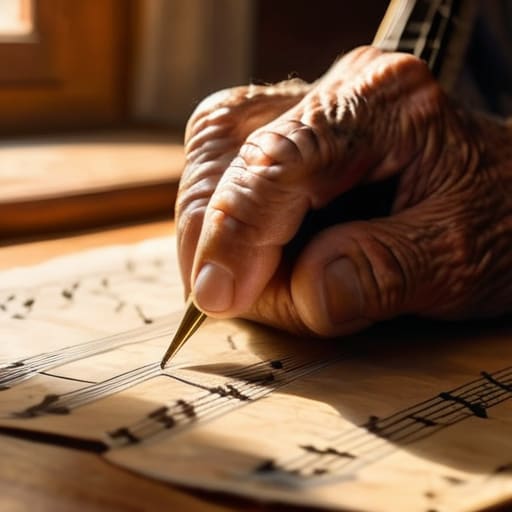
When I was working in the archives, I often came across handwritten songbooks—scraps of paper where melodies were scribbled in the margins, passed from one hand to another like a whispered secret. That is the true heartbeat of oral traditions in music. Before there were digital files or even printed sheet music, a song lived only as long as someone was willing to breathe life into it. It wasn’t about perfection or polished production; it was about the way a story traveled through a room, changing slightly with every telling, yet keeping its essential truth intact.
There is a profound intimacy in balladry and folk melodies that modern, over-produced tracks often lack. When a singer leans into a verse, they aren’t just performing; they are acting as a vessel for voices that might have been lost to time. You can hear it in the way a certain chord progression lingers, or how a simple rhythm mimics a human heartbeat. It reminds me that music isn’t just something we consume—it is something we inherit, a continuous thread of human experience that connects us to the people who sat in the dark, long before us, just listening.
How to Truly Listen: A Few Notes on Finding the Heart of Folk
- Put the phone in your pocket and let the room settle. Folk isn’t something you can consume while scrolling; it demands you sit still enough to hear the slight crack in a singer’s voice or the slide of a finger against a steel string.
- Seek out the small, dimly lit rooms rather than the grand stages. The magic of this music lives in intimacy—in those cramped basement clubs where you can actually feel the vibration of the wooden floorboards beneath your feet.
- Pay attention to the stories, not just the melody. I’ve learned that a song is often just a vessel for a history that hasn’t been written down yet, so listen for the narrative tucked between the chords.
- Don’t be afraid of the silence between the notes. In my years of archiving, I’ve found that the most profound parts of a performance are often the quiet pauses where the weight of a lyric is allowed to hang in the air.
- Look for the imperfections. A perfectly polished studio recording can be fine, but it’s the raw, unvarnished sound—the slight hesitation or the breath taken before a chorus—that tells you a human being is actually standing there with you.
What Remains When the Music Fades
Folk music isn’t just a collection of old songs; it is a living, breathing thread that connects our present selves to the voices of those who walked these streets long before us.
To truly hear the heart of a ballad, you have to stop rushing. It requires a certain stillness—a willingness to sit in the dim light and let the story unfold at its own pace.
The real magic lies in the imperfections—the slight crack in a singer’s voice or the weathered wood of a guitar—reminding us that there is profound beauty in things that are worn, honest, and real.
The Resonance of the Unpolished
“Folk music isn’t about the perfection of the performance; it’s about the honesty of the crack in a singer’s voice and the way a simple melody can hold the weight of a hundred years of quiet, unrecorded lives.”
Petra Lindgren
The Echo That Remains
As I sit here in the quiet of my study, looking over my sketches and the notes I’ve scribbled about the lineage of the song, I am struck by how much folk music truly demands of us. It isn’t just a collection of melodies or a dusty timeline of historical shifts; it is the living, breathing thread of human connection that survives through every era. We’ve looked at how these songs traveled through oral traditions and how they carry the weight of our shared history within their simplest chords. Whether it’s a ballad passed down through generations or a modern singer-songwriter finding their voice in a dimly lit corner, the essence remains the same: it is about honesty and the preservation of truth through sound.
My advice to you, as the night settles in, is to not just listen, but to truly hear. Don’t treat a folk performance as mere background noise for a busy life. Instead, find a quiet space, let the lights go low, and allow those raw, unpolished notes to settle into your bones. There is a certain kind of grace found in the unvarnished truth of an acoustic guitar that the modern, polished world often tries to drown out. In the end, we aren’t just listening to music; we are listening to the very heartbeat of what it means to be alive. Slow down and listen.
Frequently Asked Questions
How can I begin to tell the difference between a polished studio recording and the raw, honest spirit of traditional folk?
Listen for the imperfections. A studio recording is often a beautiful, controlled lie—everything is smoothed over, polished until the edges disappear. But true folk? It lives in the creak of a chair, the catch in a singer’s throat, or a slightly out-of-tune string. Don’t look for technical perfection; look for the breath between the notes. If the music feels like it’s telling you a secret rather than performing a song, you’ve found it.
Are there certain old, quiet corners of the city where one might still find musicians playing these songs without the noise of the modern world?
You won’t find them on the main drags where the neon screams for attention. No, you have to look for the places that seem to be receding from the map. I often find them in the back booths of those basement cafes near the old library, or perhaps a quiet corner of a park just as the streetlamps flicker to life. Seek the shadows, the places where the architecture feels heavy and the air stays still.
When we lose the oral tradition of passing songs down by ear, what exactly is it that we are losing in our modern culture?
When we lose that ear-to-ear connection, we lose the breath between the notes. It’s not just about the melody; it’s about the shared human error and the slight, beautiful variations that happen when a song lives in someone’s memory rather than a digital file. We lose the intimacy of a story being shaped by the person telling it. Without that, music becomes a polished product rather than a living, breathing conversation.
