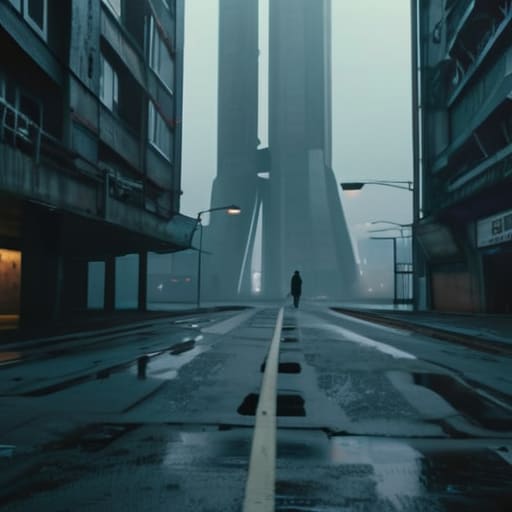
I was sitting in a dimly lit corner of a jazz club last Tuesday, the kind of place where the air feels heavy with history and the saxophone seems to weep, when I found myself thinking about the sheer noise surrounding modern literature. Everywhere you look, people are dissecting dystopian fiction themes as if they were solving a complex mathematical equation or a political manifesto. They treat these stories like cold, academic puzzles to be solved, completely stripping away the human ache that makes them worth reading in the first place. It’s a bit exhausting, really; we’ve turned the exploration of our darkest societal shadows into a sterile, intellectual exercise that forgets the most important part: the soul.
I’m not here to give you a lecture or a dry list of tropes found in a textbook. Instead, I want to sit with you for a moment and look at these stories through a different lens—one that values the lingering shadows they cast on our own lives. I promise to guide you through the core of these narratives, focusing on the emotional truths and the quiet, unsettling details that actually stay with us long after the final page is turned.
Table of Contents
The Cold Eye of Technological Surveillance Tropes
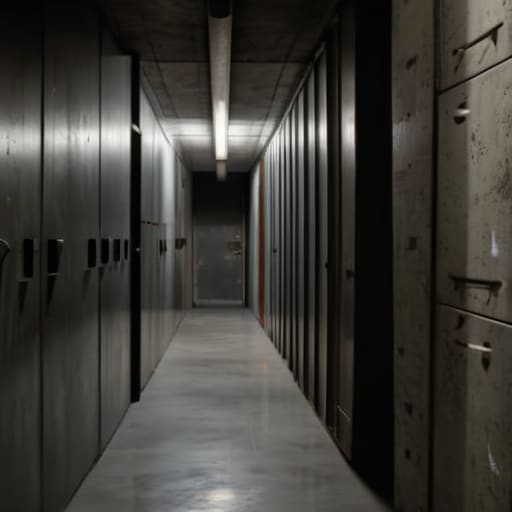
I’ve often found that the most unsettling stories aren’t the ones filled with monsters, but the ones where the walls themselves seem to be watching. There is a particular chill that settles in when a writer explores technological surveillance tropes, turning the very tools meant to connect us into instruments of isolation. It reminds me of those old, dusty archives I used to manage—the feeling that every scrap of paper, every recorded breath, is being cataloged by an unseen hand. In these narratives, the camera lens isn’t just a tool; it is a silent, unblinking god.
This constant observation leads to a profound and aching loss of individual identity. When you are always being watched, you stop being yourself and start performing a version of yourself that is safe for the state. It’s a subtle, creeping erasure of the soul. We see it in the way characters shrink into the shadows, trying to find a corner of the world that hasn’t been mapped, digitized, or filed away. It’s a heavy realization: once the privacy of our own thoughts is breached by the machine, the person we once were begins to fade like a worn vinyl record.
When the Earth Fades Environmental Collapse Narratives

There is a particular kind of melancholy that sets in when a story turns its gaze toward a dying planet. I often think of it like an old, faded photograph—the edges are curling, the colors are bleeding out, and you realize that what was once vibrant is slowly being reclaimed by the dust. These environmental collapse narratives don’t just frighten us with storms or droughts; they ache with the sense of something irreplaceable being lost. It is the quiet mourning for a forest that no longer breathes or a river that has turned to silt, reminding us that our world is far more fragile than our hubris allows us to believe.
In these stories, the scarcity of resources often acts as a catalyst for a deeper, more systemic decay. As the natural world withers, we see the cracks in our social structures widen, frequently giving rise to intense class struggle in speculative fiction. When the air becomes a luxury and clean water a currency, the divide between those who thrive and those who merely survive becomes an unbridgeable chasm. It makes me wonder how much of our own humanity we might sacrifice just to keep the lights on for one more night.
The Anatomy of a Shadow: How to Navigate the Weight of a Dystopian World
- Look for the human pulse beneath the machinery. A story about a collapsing society only truly resonates when we see how it breaks a single, fragile heart; without that intimate connection, you’re just reading a technical manual for a nightmare.
- Don’t fear the silence between the chaos. The most profound moments in these narratives often happen in the quiet, stolen breaths of a character—the way they hold a forbidden book or look at a sunset they know is dying.
- Trace the lineage of the ruin. As an archivist, I find the best stories are those that show us how the world didn’t just end, but how it slowly unraveled, layer by layer, from the things we once took for granted.
- Avoid the trap of total nihilism. While the darkness is essential, a story that offers no flicker of light feels hollow. We need that small, stubborn spark of defiance to remind us why the struggle matters in the first place.
- Pay attention to the sensory decay. A well-crafted dystopia shouldn’t just be a concept; it should be something you can smell in the stagnant air or feel in the grit of the dust on a forgotten record sleeve.
The Shadows That Stay With Us
Dystopian stories aren’t just about the collapse itself, but about the quiet, unsettling ways we lose our humanity to the systems we build.
Whether it’s a dying landscape or a watchful eye in the sky, these narratives serve as a mirror, forcing us to look closely at the cracks in our own world before they widen.
The most enduring themes are those that move beyond mere spectacle, tapping into a deep-seated need to find meaning and connection even when the lights are dimming.
The Resonance of Ruin
“A truly great dystopian story isn’t just about the collapse of a city or the rise of a machine; it’s about that quiet, aching moment when a character realizes the world they once knew has become a ghost, leaving us to wonder what parts of our own humanity might vanish in the shadows.”
Petra Lindgren
The Lingering Echoes
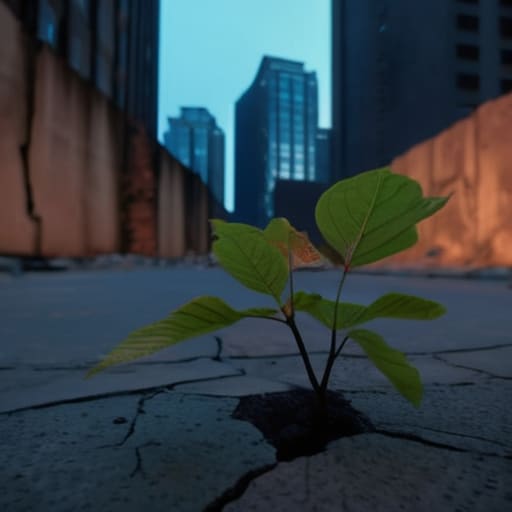
As I sit here in the quiet of my study, reflecting on these heavy themes, I realize that dystopian fiction isn’t just about the collapse of systems; it’s a mirror held up to our own vulnerabilities. Whether we are navigating the suffocating gaze of constant surveillance or mourning a world where the greenery has been replaced by ash, these stories force us to confront what we might lose if we continue to move through life without intention. We see the patterns of technological overreach and environmental neglect not as mere plot points, but as urgent warnings etched into the narrative. These tropes serve to remind us that the structures we build—both digital and physical—can easily become the very cages that confine our humanity.
Ultimately, I find that the most profound dystopian tales aren’t actually about the darkness, but about the small, stubborn flickers of light that persist within it. Even in a world stripped of its color and its privacy, the human spirit seeks out a melody, a shared glance, or a moment of quiet grace. Perhaps that is why we read these stories; they teach us to cherish the warmth of a dim room and the steady rhythm of a life lived with purpose. As you close your book tonight, don’t just dwell on the shadows. Instead, let the weight of these stories remind you to hold onto the beauty that is still very much alive in your own world.
Frequently Asked Questions
Why do these stories feel so much more urgent and heavy in our current era than they did decades ago?
I think it’s because the distance between the page and our reality has grown uncomfortably thin. Decades ago, these stories felt like cautionary tales—distant warnings whispered from a far-off future. But today, the shadows feel longer. When you see the same surveillance or environmental decay reflected in your morning news, the fiction stops being an escape and starts feeling like a mirror. We aren’t just reading about the end; we’re watching the preamble.
Is there a way to find a sense of hope or a light at the end of the tunnel within these bleak narratives, or is the point meant to be the darkness itself?
I’ve often sat in dim jazz clubs, wondering if the minor chords are there just to sadden us, or to make the resolution more meaningful. It’s the same with these stories. I don’t think the darkness is the point; rather, it’s the contrast. We look for those small, flickering lanterns—a shared meal, a quiet act of defiance—because they prove that even in a collapsing world, the human spirit refuses to be silent.
How do these themes differ when they focus on the individual's internal struggle versus the collapse of an entire society?
When a story looks outward at a crumbling society, it feels like a sweeping, tragic symphony—grand, chaotic, and overwhelming. But when the focus shifts inward to the individual, the scale changes entirely. It becomes a quiet, intimate jazz solo. It’s no longer about the falling cities, but the heavy, silent weight of a single person trying to keep their soul intact while the world outside loses its melody. One is a roar; the other is a whisper.
