I’ve always felt that cities are less like collections of steel and concrete and more like living, breathing organisms. During my years in the archives, I learned that every street corner holds a memory, but it’s the stories we tell that truly give a metropolis its pulse. Lately, I’ve found myself searching for something more substantial than the frantic, neon-soaked rush of modern life; I find myself looking for the quiet resonance of a city at rest. It can be difficult to find novels about urban life that actually capture that specific, electric loneliness of a midnight walk or the way a subway station echoes with a thousand unspoken histories.
In the following pages, I want to share five particular books that managed to do more than just describe a setting. These are stories that inhabit the shadows and the light of the city, offering a window into the souls of those who navigate its labyrinthine streets. I hope these selections help you find that same sense of intentional discovery I feel when I’m wandering through a new neighborhood. Let’s step away from the noise for a moment and settle into the narratives that truly capture the heartbeat of the urban experience.
Table of Contents
The Midnight Pulse of Manhattan
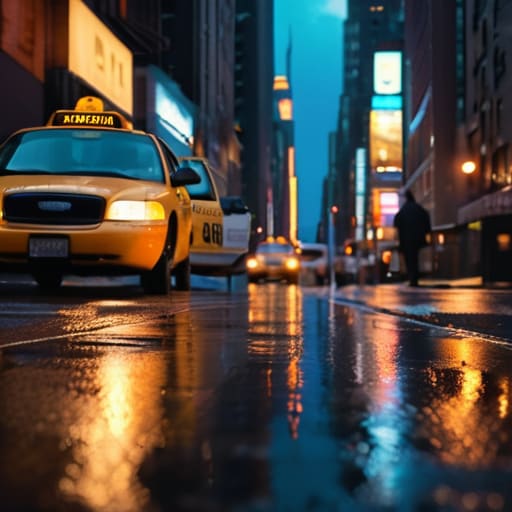
There is a certain kind of magic found in the way a city breathes when the sun goes down, and no one captures that restless energy quite like E.L. Doctorow. In his explorations of New York, the streets aren’t just settings; they are living, breathing characters that demand your attention. I often find myself thinking about his descriptions while sitting in a quiet corner of a jazz club, wondering if the ghosts of those old streets are still wandering the avenues.
A Symphony of Concrete and Loneliness
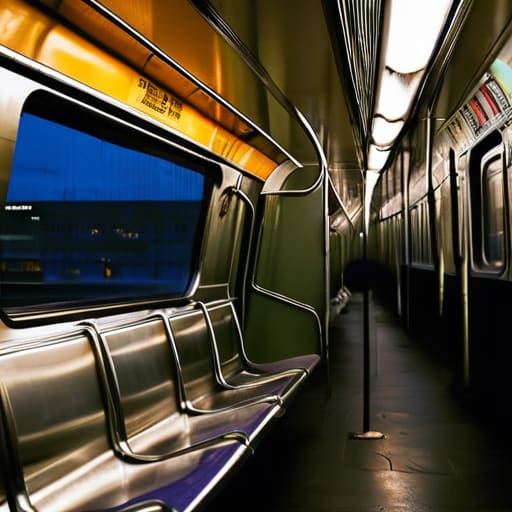
Sometimes, a city can feel more isolating than the most desolate desert, a paradox that James Baldwin understood with a precision that still leaves me breathless. His prose doesn’t just describe urban life; it dissects the emotional architecture of it. He captures the way a crowded subway car can feel like a vacuum of solitude, even when you are pressed shoulder-to-shoulder with strangers.
The Labyrinth of Lost Souls
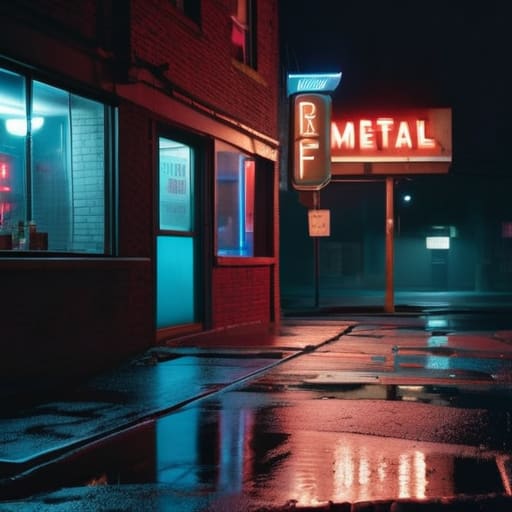
There is a specific, haunting quality to the way Charles Bukowski portrays the urban landscape—it is unvarnished, raw, and occasionally quite beautiful in its decay. He doesn’t offer the polished version of city life you see in travel brochures; instead, he gives you the scent of stale beer and the neon flicker of a cheap motel sign. It’s a gritty realism that demands you face the world as it truly is.
Elegance Amidst the Iron and Glass
If you are looking for a city that feels like a well-composed piece of music, look no further than the works of Edith Wharton. While her settings are often more refined than the modern sprawl, her ability to map the social geography of an urban environment is unparalleled. She understands how the layout of a room or the breadth of a boulevard can dictate the very movements of the human heart.
The Electric Hum of the Modern Maze
For a more contemporary take on the urban experience, there is something profoundly moving about the way Zadie Smith navigates the intersection of culture and place. Her cities are vibrant, chaotic, and endlessly layered, much like the complex jazz arrangements I love to listen to on a rainy Tuesday. She captures the way different histories collide on a single street corner.
The Echoes That Remain
A city is more than just its skyline; it is the collection of small, quiet moments and the specific atmosphere of its streets that truly define the urban experience.
The best stories don’t just describe a setting, they capture the rhythm and the particular “soul” of a place that lingers in your mind long after you’ve closed the book.
To truly understand the urban heart, one must look past the noise and find the beauty in the shadows, the dim lights, and the slow-moving details of city life.
The Architecture of a Story
“A truly great urban novel doesn’t just describe a street corner or a crowded subway car; it captures the way the city breathes against you, that specific, lonely electricity that makes you feel both entirely alone and deeply connected to every stranger passing by in the dim light.”
Petra Lindgren
The City in the Margins
As we’ve seen through these pages, a city is never just a collection of steel, glass, and concrete. Whether it is the frantic, neon-soaked energy of a midnight street or the hushed solitude of a rain-slicked alleyway, these novels remind us that the urban landscape is a living, breathing character in its own right. They teach us that the true essence of a metropolis isn’t found in its grand monuments, but in the quiet intersections of human lives—the brief encounters, the shared glances on a subway, and the profound loneliness that can exist even in a crowd of millions.
I often find myself sitting in a corner booth of a dim jazz club, sketching the way the light hits the brickwork, and I realize that reading these stories is much like that. It is an invitation to slow down and truly look. I hope that as you close these books, you find yourself looking at your own streets with a bit more curiosity. Don’t just rush from one destination to the next; instead, permit yourself to get lost in the rhythm of the sidewalk. After all, the most beautiful parts of our lives are often found in the small, unscripted moments that happen when we finally decide to stop rushing.
Frequently Asked Questions
Are there any specific authors who capture the atmosphere of a city more through their descriptions of sound and light than through their plot?
I often find myself more drawn to the way a writer describes the amber glow of a streetlamp or the low hum of a distant subway than to the actual plot. For me, it’s Virginia Woolf who truly masters this; she captures the shifting light and the internal rhythm of the city like no one else. Then there is Truman Capote—he has this uncanny ability to paint the atmosphere with such sensory precision that you can almost hear the city breathing.
Do you think these urban novels are better enjoyed in the quiet of a morning, or are they meant to be read late at night when the city is still awake?
To my mind, these stories demand the night. There is a specific kind of magic that happens when the sun goes down and the city settles into its evening rhythm. Reading about urban life in the bright, hurried clarity of morning feels a bit like looking at a blueprint; you see the lines, but not the soul. But late at night, when the streetlamps cast long shadows and the world slows down, the prose truly breathes.
Can you recommend a few titles that focus more on the solitude of living in a crowd rather than the chaos of the streets?
I understand exactly what you mean. There is a specific kind of loneliness that only exists when you’re surrounded by millions of people. If you’re looking for that quiet, internal hum, I’d suggest The Lonely City by Olivia Laing. It’s more of a memoir, but it captures that ache beautifully. I’d also point you toward Haruki Murakami; his characters often navigate a profound, dreamlike isolation right in the middle of a bustling Tokyo.
