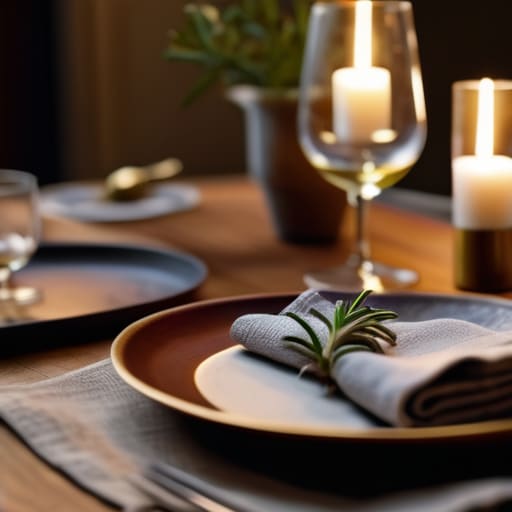
I remember sitting in a dimly lit basement jazz club in Chicago decades ago, the air thick with the scent of old wood and expensive bourbon, watching a man host a small gathering around a single, flickering candle. There was no frantic plating of microgreens or a frantic countdown to a perfectly timed soufflé; there was only the steady rhythm of conversation and the warm hum of a Miles Davis record. Somewhere along the way, we lost that. We’ve been told that learning how to host dinner party successfully requires a degree in culinary arts and a budget that would make a museum curator blush. We treat these evenings like high-stakes performances rather than the quiet, human connections they are meant to be.
I have no interest in teaching you how to perform for your guests. Instead, I want to show you how to curate an atmosphere where people actually feel permitted to linger. My goal is to share the practical, unvarnished ways you can master the art of the slow evening—focusing on the lighting, the soundtrack, and the pacing—so that the night stays with your guests long after the last glass is emptied.
Table of Contents
Intentional Dinner Party Menu Planning for Lasting Memories
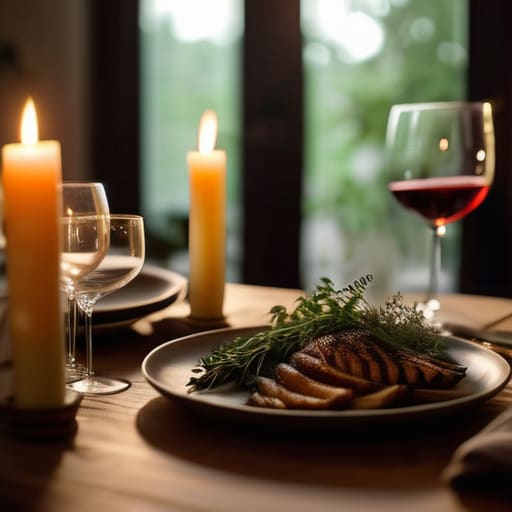
When I was working in the archives, I learned that the most profound stories aren’t found in the grand gestures, but in the quiet, well-preserved details. The same applies to your kitchen. When it comes to dinner party menu planning, I’ve found that the greatest mistake is attempting a menu that demands your constant presence at the stove. If you are stuck in the kitchen, you aren’t at the table, and the evening loses its rhythm. Instead, aim for dishes that can be prepared in advance—things that benefit from a little time to settle, much like a good jazz record.
Focus on textures and warmth rather than complexity. A slow-braised ragu or a seasonal tart can be prepared hours before your guests arrive, allowing you to focus on the art of connection rather than the stress of timing. When entertaining guests at home, remember that a menu should feel like a continuous, gentle conversation. Choose flavors that complement one another without shouting, creating a culinary backdrop that invites people to linger over their wine and let the hours slip away unnoticed.
Small Gatherings and the Magic of Dim Lights

There is a certain alchemy that happens when the overhead lights are finally clicked off. In my years spent cataloging the quiet corners of city archives, I’ve learned that clarity isn’t always found in bright illumination; sometimes, the most profound truths emerge in the shadows. When you are hosting small gatherings, the light you choose dictates the rhythm of the conversation. Harsh, clinical lighting forces people to stay alert and perform, but a few well-placed candles or a low-wattage lamp invite them to lean in. It creates a sanctuary where the outside world—and its relentless pace—simply ceases to exist.
As you move through your dinner party preparation checklist, I urge you to treat lighting not as an afterthought, but as a primary guest. It is the invisible thread that weaves the evening together. I often find myself sketching the way light hits a linen tablecloth or a half-empty wine glass, noting how the soft glow softens the edges of the room. By prioritizing a dim, amber atmosphere, you aren’t just decorating; you are signaling to your friends that it is finally safe to slow down and stay a while.
The Subtle Details That Keep the Evening Alive
- Curate a sonic backdrop. I never host without a record spinning; the crackle of a vintage jazz pressing does more to set a relaxed mood than any high-tech speaker ever could.
- Choose tactile textures. There is a quiet joy in the weight of a linen napkin or the cool surface of a ceramic plate; these small, physical sensations ground your guests in the moment.
- Embrace the beauty of imperfection. Don’t stress over matching sets; a mismatched collection of vintage glassware often tells a much better story and makes the room feel lived-in rather than staged.
- Mind the flow of conversation. Arrange your seating to encourage intimacy rather than a formal line; sometimes a slight shift in chair placement can turn a polite gathering into a deep, meaningful connection.
- Leave room for the unplanned. The best part of a night is often the hour spent lingering over coffee long after the plates are cleared; don’t be so focused on the schedule that you forget to let the evening breathe.
The Essence of a Night Well Spent
Prioritize the atmosphere over the perfection of the plate; a warm glow and a soft melody will always do more for your guests than a complicated dish that keeps you stuck in the kitchen.
Curate your evening with intention, choosing elements like vintage vinyl or thoughtful conversation starters that encourage people to linger and truly settle into the moment.
Remember that the most successful gatherings aren’t about grand gestures, but about the quiet details—the way the light hits the table and the slow, unhurried rhythm of a night that refuses to rush.
The Soul of the Table
A dinner party shouldn’t feel like an item checked off a list; it should feel like a soft landing. When you stop worrying about the perfect centerpiece and start focusing on the warmth of the light and the rhythm of the conversation, that is when the evening truly begins to live.
Petra Lindgren
The Last Note of the Evening

As the evening begins to wind down and the last of the wine is poured, I find that the most successful gatherings aren’t defined by the complexity of the menu or the perfection of the table setting. Instead, they are built upon the intentionality of the atmosphere—the way the light hits the glassware, the warmth of a well-chosen record, and the way a thoughtfully planned meal allows conversation to breathe. By focusing on these small, sensory details rather than the stress of flawless execution, you transform a simple dinner into a curated experience that guests can actually feel. It is about creating a space where the rhythm of the night dictates the pace, not the clock on the wall.
Ultimately, my time spent in dusty archives has taught me that the things we preserve are rarely the grand gestures; they are the quiet, textured moments that linger in our minds. When you host, don’t aim for a spectacle. Aim for a pause in the chaos. Aim to give your friends a reason to sit a little longer, to speak a little softer, and to truly notice one another. If you can manage to pull your guests out of their rushing lives and into a slow, dim-lit sanctuary for just a few hours, then you haven’t just hosted a dinner party—you have crafted a memory that will endure long after the candles have burned down to the wick.
Frequently Asked Questions
How do I select a record or playlist that complements the conversation without overpowering it?
The secret is to treat music like a soft-focus lens, not the main subject. I always look for something textural—think Miles Davis’s Kind of Blue or some mellow Bossa Nova. You want melodies that fill the gaps between sentences without demanding attention. If you find yourself leaning in to hear a lyric, the volume is too high or the track is too busy. Aim for a steady, rhythmic hum that lets the voices breathe.
What are some simple ways to set a thoughtful table without it feeling overly formal or stiff?
Don’t reach for the heavy silver or those stiff, starched linens that make a guest feel like they’re under inspection. Instead, think of the table as a canvas for connection. A few mismatched ceramic plates, some sprigs of rosemary tucked into a linen napkin, or even a handful of smooth stones from a walk can ground the space. It’s about texture and warmth—creating a setting that invites people to lean in, rather than sit up straight.
How can I balance being a gracious host with actually sitting down to enjoy the meal and the company?
The secret is to stop treating the evening like a performance and start treating it like a shared experience. I’ve learned that if you try to orchestrate every single detail in real-time, you’ll end up stuck in the kitchen while the soul of the party happens in the dining room. Prepare what you can ahead of time—the braises, the salads, the music. When the guests arrive, your only job is to be present. A slightly imperfect meal served with a relaxed host is far more memorable than a perfect one served by a stranger.
