I was sitting in a dimly lit corner of a bistro in Lyon last autumn, watching a group of tourists rush through a pre-packaged meal as if they were checking items off a grocery list. They were participating in one of those highly orchestrated culinary tours that promises “authentic discovery” but delivers nothing more than a frantic, expensive checklist of famous landmarks. It felt hollow. To me, food shouldn’t be a race or a status symbol to be captured in a photograph; it should be a slow, deliberate conversation between the chef, the ingredient, and the person sitting at the table.
I have no interest in the polished, commercialized fluff that most travel agencies peddle. Instead, I want to guide you toward the kind of experiences that actually stay with you—the ones found in the quiet steam of a family-run kitchen or a hidden alleyway tavern. I’m going to share my honest, unvarnished thoughts on how to find culinary tours that prioritize soul over spectacle. We aren’t looking for the most expensive menu in the city; we are looking for the stories that linger long after the last glass of wine has been emptied.
Table of Contents
Finding Meaning in Authentic Local Cuisine Experiences
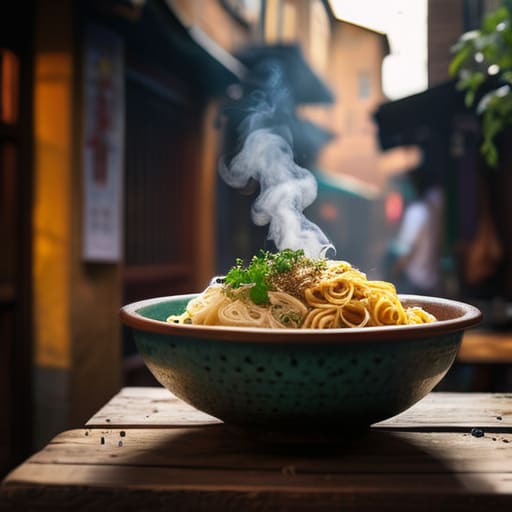
I’ve always found that the best way to understand a city isn’t through its monuments, but through its kitchens. When I travel, I tend to steer clear of the polished, high-gloss brochures. Instead, I look for those narrow alleyways where the steam from a window tells a more honest story than any guidebook ever could. Engaging in street food walking tours allows you to sit on a plastic stool, shoulder-to-shoulder with locals, and realize that a simple bowl of broth can hold more history than a dusty museum archive. It is in these unscripted moments that you truly touch the pulse of a place.
There is a certain rhythm to it—a slow, intentional way of eating that forces you to be present. Whether you are following gourmet tasting itineraries or simply stumbling into a family-run trattoria, the goal shouldn’t be to check a destination off a list. It should be to find those authentic local cuisine experiences that linger in your memory long after the flavors have faded. We aren’t just consuming calories; we are consuming the heritage of the people who came before us.
Mapping Your Soulful Gourmet Tasting Itineraries

When I sit down with my notebook at a quiet corner table, I don’t start by looking for the most popular restaurants on a digital map. Instead, I look for the threads of history that tie a dish to its soil. Planning your own gourmet tasting itineraries shouldn’t feel like checking items off a grocery list; it should feel like tracing the lineage of a culture. I find that the most profound journeys begin when you stop chasing Michelin stars and start following the scent of woodsmoke or the rhythmic call of a vendor in a crowded market.
I often suggest that travelers look toward street food walking tours as a way to ground themselves in a new city. There is a certain honesty in a meal eaten standing up, amidst the hum of local life, that a white-tablecloth establishment simply cannot replicate. Whether you are wandering through the narrow alleys of Lyon or the vibrant stalls of Taipei, the goal is the same: to let the flavors guide your footsteps. It’s about finding that perfect, unscripted moment where the food and the setting finally click into place.
The Art of Tasting Without Rushing
- Seek the shadows, not the spotlights. The most profound culinary stories rarely happen in restaurants with neon signs and printed menus; they live in the dim, narrow kitchens where the chef’s grandmother still dictates the seasoning. Look for the places that don’t feel the need to shout for your attention.
- Leave the itinerary behind for an hour. I’ve learned that the best flavors often come from a wrong turn down a cobblestone alley. If a scent catches your attention or a small bistro looks lived-in and weary, follow it. Allow yourself the luxury of being lost.
- Treat every meal like a historical record. As an archivist, I see recipes as living documents of a culture’s survival. Ask the server about the origin of a spice or the history of a grain; when you understand the lineage of what is on your plate, the flavor lingers much longer.
- Bring a notebook, even if you aren’t sketching. There is a specific magic in the way a certain wine pairs with a heavy autumn air, or how a shared plate feels in a crowded room. Write down the sensory details—the texture, the temperature, the mood—so you can revisit them when you’re home.
- Prioritize the company over the menu. A culinary tour is a hollow exercise if you are too busy checking your phone to engage with your companions. The true soul of a meal is found in the pauses between bites, the low hum of conversation, and the shared silence of a satisfied table.
The Quiet Art of Tasting
Seek out the kitchens that don’t feel the need to shout; the most profound flavors often reside in the small, unadorned spaces where tradition is practiced with quiet devotion.
Treat every meal as a historical record, allowing the ingredients and the hands that prepared them to tell you the story of the land and the people who call it home.
Resist the urge to document everything through a lens; instead, put your notebook away for a moment and let the texture, the scent, and the slow rhythm of the service settle into your memory.
The Flavor of Memory
A true culinary journey isn’t about checking a list of famous restaurants off a map; it’s about that quiet, unhurried moment when a single, well-made dish tells you more about a city’s history than any textbook ever could.
Petra Lindgren
The Afterglow of a Well-Fed Journey
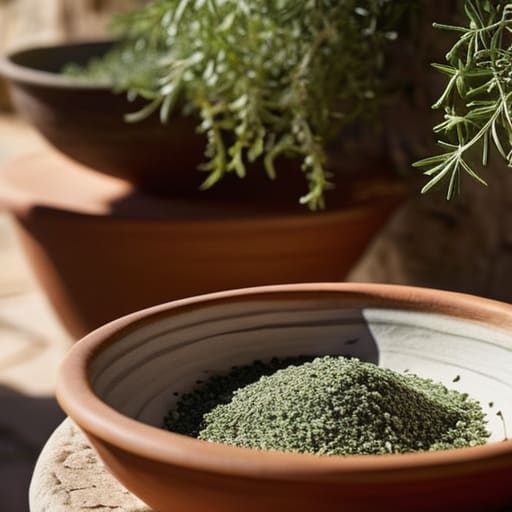
As we look back on the maps we’ve drawn and the kitchens we’ve stepped into, it becomes clear that a culinary tour is never truly about the checklist of dishes consumed. It is about the intentionality of the search—finding that one hidden courtyard where the scent of rosemary hangs heavy in the air, or the way a local chef’s hands move with the practiced grace of a craftsman. We have explored how to seek out authenticity and how to structure our journeys not as mere errands of appetite, but as carefully curated meditations on flavor. By choosing to slow down and engage with the history behind every ingredient, we turn a simple meal into a lasting connection with a place and its people.
When the sun sets on your travels and you find yourself sitting in a quiet corner, perhaps with a notebook open and a glass of something aged and honest, I hope you feel the weight of those experiences settling in. Don’t be in such a hurry to reach the next destination that you forget to taste the present moment. Let the flavors linger, let the conversations drift, and allow the soul of the city to seep into your memory. In the end, the most profound tours aren’t measured in miles or calories, but in those quiet, beautiful pauses that stay with us long after the table has been cleared.
Frequently Asked Questions
How do I distinguish between a polished, commercial food tour and one that actually offers a glimpse into the local culture?
Look for the cracks in the polish. A commercial tour feels like a rehearsed performance—bright lights, loud voices, and menus that look like they were printed yesterday. I prefer the places where the floorboards creak and the chef speaks more with their hands than a script. If the itinerary focuses more on “Instagrammable” plating than the history of the ingredients, keep walking. Real culture isn’t manicured; it’s found in the quiet, unpolished corners.
Is it possible to find these slow, meaningful culinary experiences without following a rigid, pre-packaged itinerary?
It is more than possible; it is, in my view, the only way to truly taste a place. Rigid itineraries are like reading a history book without looking at the footnotes—you miss the texture. Instead, follow a scent, a local’s recommendation, or a dimly lit storefront that looks like it has stories to tell. Let your curiosity be your compass. The most profound flavors are often found when you finally allow yourself to get a little lost.
How much of the "soul" of a place is found in the grand dining rooms versus the small, unassuming kitchens tucked away in side streets?
If you ask me, the grand dining rooms are like the well-preserved archives—impressive, structured, and certainly worthy of respect. But the soul? That lives in the small, unassuming kitchens tucked away in side streets. It’s in the steam rising from a chipped bowl and the rhythmic, unpolished sounds of a chef working by instinct rather than a manual. Those quiet corners hold the real history; they are the notes that linger long after the song ends.
