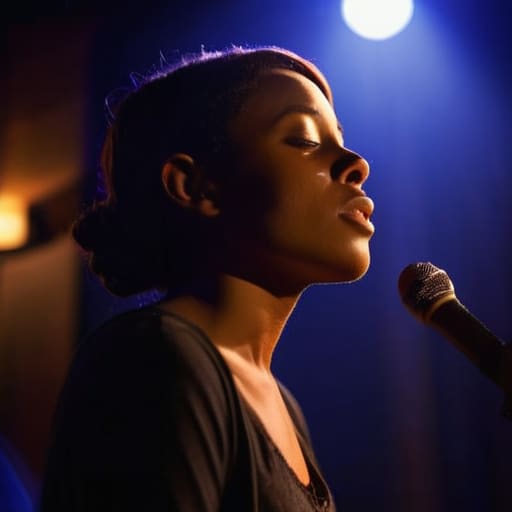
I remember sitting in the back of a basement cafe last Tuesday, the air thick with the scent of roasted beans and damp wool, watching a young man pour his entire soul into a microphone. There is a specific, electric tension that fills a room during poetry slam events—a sort of hushed, collective holding of breath that you just don’t find in the polished, overproduced spectacles of modern entertainment. It isn’t about the fancy lighting or the expensive acoustics; it’s about that raw, unvarnished moment when a stranger’s truth hits you right in the chest, leaving a mark long after the applause fades.
I’m not here to give you a glossy brochure or a list of the trendiest spots to impress your friends. Instead, I want to share what I’ve learned from years of seeking out the quiet corners of this city to find where the real stories are being told. I’ll guide you through the etiquette of the room, how to truly listen without judgment, and how to find those rare, dimly lit stages where the words actually stick to your ribs.
Table of Contents
Seeking Soul in Local Slam Poetry Venues
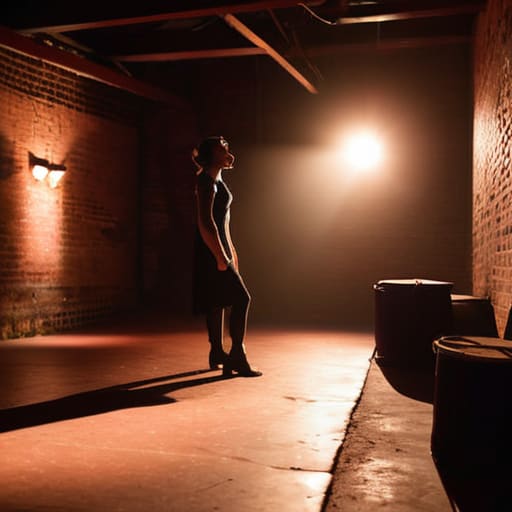
When I wander through the city on a Tuesday night, I’m rarely looking for the neon glow of a main thoroughfare. Instead, I find myself drawn to the basement stairs and the unmarked doors of local slam poetry venues tucked away in the corners of old brick buildings. There is a specific kind of magic in these spaces—a sense that the walls themselves are saturated with the voices of those who came before. You can feel it in the way the air settles when a performer steps into the spotlight, stripped of everything but their truth.
It isn’t just about the spectacle, though. There is a fascinating tension in watching how contemporary spoken word artists navigate the room, balancing raw vulnerability with the technical precision required to hold a crowd’s attention. I often find myself sketching the way the light hits the microphone stand, thinking about how these poets use their bodies as much as their breath. It’s a reminder that even in a digital age, there is no substitute for the weight of a human voice echoing in a small, crowded room.
The Raw Truth of Contemporary Spoken Word Artists
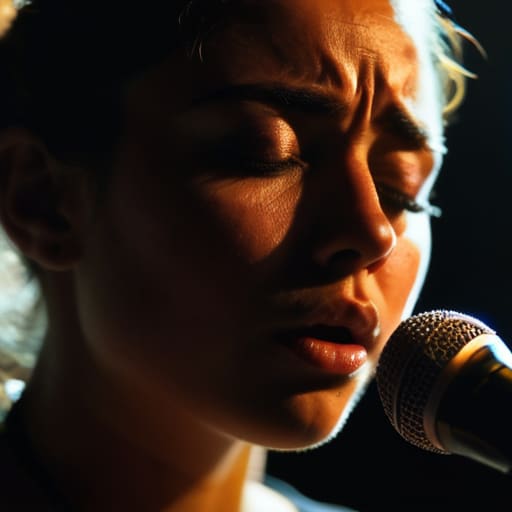
There is a particular kind of electricity in the air when a performer steps into the spotlight, stripped of the safety net of a musical arrangement. Unlike the polished recordings I used to catalog in the archives, contemporary spoken word artists offer something unvarnished and immediate. They aren’t just reciting lines; they are exhaling their histories directly into the room. You can see it in the way they hold their breath before a pivotal stanza, or how they use subtle performance poetry techniques to command the silence of a crowded room. It is a visceral, breathing thing that demands your full attention.
I often find myself watching the audience, noting how the tension breaks when a poet hits a note of profound, shared vulnerability. It isn’t just about the technicalities of a slam poetry scoring system or who takes home the trophy at the end of the night. It’s about that fleeting moment when a stranger’s words make you feel less alone in your own skin. In a world that feels increasingly curated and filtered, there is a profound, quiet dignity in witnessing someone speak their truth without any apology.
How to Truly Listen When the Room Goes Quiet
- Arrive early to find a corner that feels right. Don’t just grab the first stool; look for a seat where you can see the performer’s hands and the way the light hits the stage. It’s much easier to let the words settle when you aren’t fighting for a view.
- Leave your phone in your pocket. I know, it’s a hard habit to break, but there is a specific kind of magic in a spoken word performance that vanishes the moment you try to capture it through a screen. Let the moment live in your memory, not your camera roll.
- Embrace the silence between the stanzas. Most people feel the urge to fidget or whisper when a poet pauses, but that stillness is often where the most profound part of the poem resides. Let the silence breathe; it’s part of the music.
- Don’t be afraid to react. A poetry slam isn’t a library; it’s a living, breathing conversation. A snap of the fingers or a soft murmur of agreement tells the artist that their truth has found a home in the room. It makes the evening feel less like a lecture and more like a shared experience.
- Keep a small notebook handy. Much like when I’m sketching the molding in an old jazz club, you might find yourself wanting to jot down a single, striking line that caught your ear. There’s something deeply satisfying about preserving a fragment of beauty on paper.
The Lasting Resonance of a Spoken Word Evening
Don’t just attend a slam to check a box; go there to listen for the silence between the words, where the real truth usually hides.
Seek out the smaller, dimly lit venues where the architecture feels lived-in, as the space itself often shapes the intimacy of the performance.
Allow yourself the luxury of being moved; the goal isn’t to analyze the technique, but to let the raw honesty of a stranger’s voice stay with you long after you’ve stepped back out into the night.
The Weight of a Single Word
“There is a specific kind of magic that happens when the room goes quiet and a stranger stands under a single spotlight; it’s not just about the rhythm of the verse, but about that rare, breathless moment when you realize you aren’t just listening to a poem, you’re witnessing a soul being laid bare.”
Petra Lindgren
The Last Word and the Lingering Echo
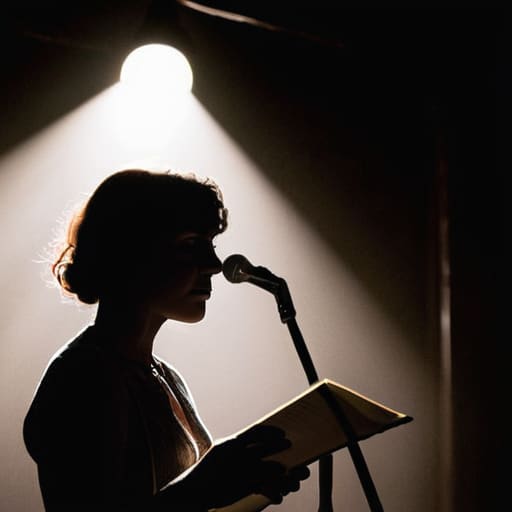
As I sit here in the corner of this dimly lit room, watching the last few poets pack up their notebooks, I’m reminded that these slams are about much more than just rhythmic speech. We’ve looked at how these local venues act as the beating heart of a community and how the raw, unvarnished truth of the performers can strip away the noise of our modern, hurried lives. Whether it’s the way a performer’s voice cracks under the weight of a memory or the collective hush of a room during a particularly heavy stanza, these moments offer a rare kind of human connection that you simply won’t find scrolling through a screen. It is in these spaces that we find the unfiltered pulse of our culture, tucked away in the shadows of a basement club or a quiet corner of a library.
My advice to you is simple: don’t just go to a slam to pass the time; go to be moved. Leave your phone in your pocket, find a seat where the light is low, and allow yourself the luxury of being completely present. There is a profound beauty in letting someone else’s words reshape your perspective, even if just for an hour. In a world that demands we constantly move faster, let the poetry be your excuse to slow down and listen. After all, the most important things aren’t the things we rush past, but the echoes that stay with us long after the lights have dimmed and the room has gone quiet.
Frequently Asked Questions
How do I find the smaller, more intimate venues where the poets actually feel like neighbors rather than performers?
You have to stop looking at the glossy calendars and start looking at the brickwork. The real magic isn’t advertised on a bright marquee; it’s tucked away in the back of a basement cafe or a dimly lit corner of a neighborhood pub. Look for the places that smell of old books and espresso, where the stage is nothing more than a rug on the floor. If the room feels small enough to hold a secret, you’ve found it.
Is there a certain etiquette I should follow to ensure I'm respecting the space without feeling like an outsider?
It’s a valid concern, but don’t let the fear of being an outsider keep you from the door. The golden rule is simple: listen more than you speak. When the lights go down, let the silence be your respect. If you feel moved, a soft snap of the fingers or a quiet murmur is the local language of encouragement. Just sit back, let the words settle, and treat the stage like a sacred space.
How can I tell if a particular slam is more of a polished performance or that raw, unvarnished kind of night I'm looking for?
You have to look at the edges, not the center. If the venue feels too much like a theater—with bright spotlights and hushed, polite applause—you’re likely in for a polished show. I prefer the places where the lighting is a bit temperamental and the stage is nothing more than a rug on a wooden floor. If the air feels heavy with anticipation rather than rehearsed perfection, that’s where the real truth lives.
