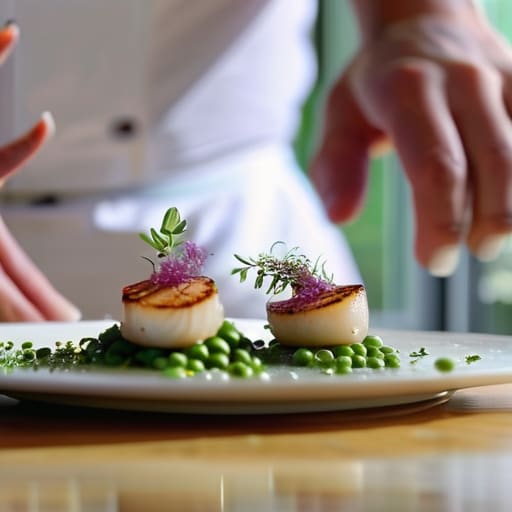
I remember sitting in a cramped, dimly lit bistro in Detroit years ago, listening to a Miles Davis record crackle in the background, realizing that the most profound moments weren’t found in the white tablecloths or the frantic service. There is this exhausting myth that gourmet cooking at home requires a kitchen full of silver gadgets and a degree from a French institute just to make a decent meal. We’ve been sold this idea that luxury is something you buy, rather than something you cultivate through patience and a bit of quiet intention.
I’m not here to give you a list of expensive ingredients or complicated techniques that leave you exhausted before the first bite. Instead, I want to share how you can turn your own kitchen into a sanctuary of slow, deliberate flavor. I will show you how to strip away the pretension and focus on the rhythm of the process—the way a sauce reduces or the scent of fresh herbs hitting a hot pan. My goal is to help you master the art of the evening, ensuring that your culinary efforts become a way to truly savor the stillness.
Table of Contents
Mastering Professional Culinary Techniques for Quiet Evenings
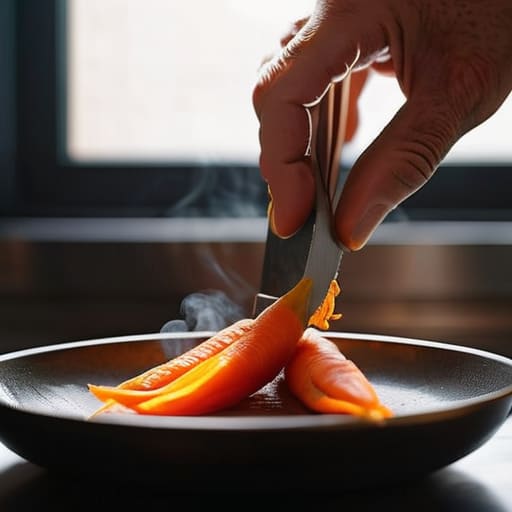
There is a certain meditative quality to the way a chef handles a knife, a rhythmic precision that mirrors the steady beat of a Coltrane solo. To bring that same intentionality into your own kitchen, you don’t need a brigade of sous-chefs; you simply need to embrace a few professional culinary techniques that prioritize patience over speed. I’ve found that mastering the art of the slow reduction or learning the exact temperature for a perfect sear changes the entire texture of a meal. It turns a chore into a ritual, much like the careful preservation of a delicate manuscript.
As you settle into this rhythm, investing in high-quality kitchen essentials becomes less about vanity and more about respect for the craft. A heavy, well-balanced pan or a truly sharp blade allows you to feel the ingredients rather than fighting them. When you stop rushing the process, you begin to notice the subtle shifts in aroma and color. It is in these quiet, technical moments—the precise dice of an onion or the gentle whisking of a sauce—that the soul of a truly great meal is actually born.
Gourmet Ingredient Sourcing for the Soul
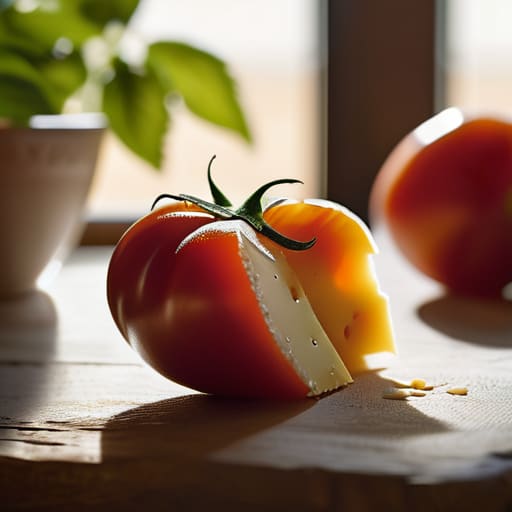
There is a certain quiet dignity in knowing exactly where your food began its journey. In my years as an archivist, I learned that a story is only as good as its primary sources; the same holds true for a meal. I find that true gourmet ingredient sourcing isn’t about hunting for the most expensive label, but about finding the character in the local farmer’s market or that small, dusty grocer who knows the lineage of their olives. When you choose a heavy, sun-ripened tomato or a piece of cheese aged in a cellar, you aren’t just buying food—you are collecting a piece of history to bring to your table.
Once you have these treasures, the ritual shifts. It becomes less about the chore of preparation and more about the tactile joy of the process. Using high-quality kitchen essentials, like a well-tempered carbon steel knife or a heavy cast-iron skillet, turns the act of cooking into a meditative practice. It’s about the weight of the tool in your hand and the way a single, perfect ingredient demands your full, undivided attention.
The Small Rituals of a Slow Kitchen
- Put away the timer and the frantic clock-watching. Cooking isn’t a race to be won; it’s a process of observation. Watch how the butter changes color in the pan or listen for that specific, rhythmic hiss when the shallots finally soften. If you’re rushing, you’re missing the music of the meal.
- Invest in a single, heavy-bottomed pan that feels right in your hand. In my years in the archives, I learned that the best tools are the ones that carry a bit of weight and history. A good cast iron or copper skillet doesn’t just cook food; it holds heat with a steady, reliable grace that modern, flimsy gadgets simply can’t mimic.
- Set the stage before the stove even gets warm. I find it difficult to appreciate a complex reduction if the room is bright and the air is frantic. Dim the overheads, light a single candle, and perhaps put on a Miles Davis record. If the atmosphere is right, the food will taste of the intention you put into the evening.
- Don’t fear the silence of a single ingredient. Sometimes, the most profound gourmet experience isn’t a dozen spices competing for attention, but a perfectly ripe heirloom tomato or a piece of sea salt hitting a warm crust. Learn to respect the quiet strength of quality over the noise of complexity.
- Keep a small notebook by the stove, much like the one I use for sketching city facades. Note not just the measurements, but how the evening felt. Did the wine pair well with the rain against the window? Did the aroma of rosemary bring back a memory? These are the details that turn a mere recipe into a personal history.
The Essence of the Slow Kitchen
Treat the preparation as a ritual rather than a chore; let the rhythmic chop of a knife and the scent of simmering herbs become your evening’s soundtrack.
Prioritize the quality of the singular ingredient over the complexity of the recipe, allowing a well-sourced heirloom tomato or a piece of aged cheese to tell its own story on the plate.
Design your environment to match your meal, understanding that dim lights and a quiet corner are just as essential to the flavor as the seasoning itself.
The Rhythm of the Kitchen
Cooking a proper meal isn’t about following a blueprint or rushing to the finish line; it’s about the quiet ritual of it—the way the light hits a copper pot, the scent of rosemary hitting hot oil, and the realization that the best part of the evening isn’t the eating, but the slow, deliberate act of creating something from nothing.
Petra Lindgren
The Final Note
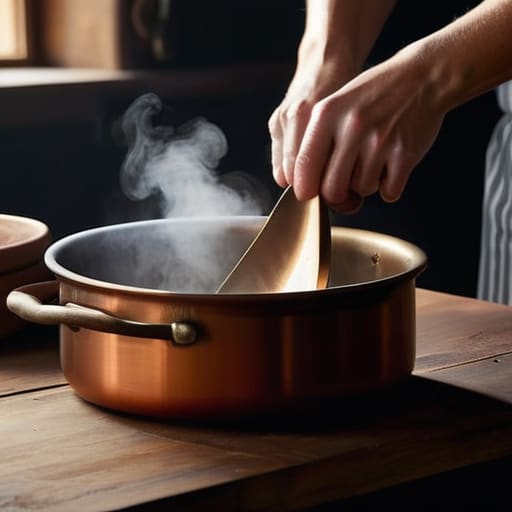
As the evening settles, I find that the true essence of gourmet cooking isn’t found in the complexity of a recipe or the prestige of a technique, but in the intention we bring to the kitchen. We have explored how mastering a steady flame and sourcing ingredients that possess a genuine history can transform a simple meal into a profound experience. By treating our culinary efforts not as chores to be completed, but as rituals to be honored, we bridge the gap between mere sustenance and true art. It is about the quiet satisfaction of a perfectly reduced sauce and the way a well-chosen spice can evoke a memory you thought you had lost.
Ultimately, I hope you find that the kitchen is more than just a room; it is a sanctuary for the senses. Don’t be afraid to let the process take longer than necessary, to let the music play softly in the background, and to embrace the stillness that comes with a slow-cooked meal. In a world that demands we move faster every single day, there is a quiet rebellion in choosing to linger over a plate of something beautiful. So, dim the lights, pour yourself something meaningful, and remember that the most important ingredient is the time you take to actually taste your life.
Frequently Asked Questions
How can I recreate that specific, slow-paced atmosphere of a dimly lit bistro without turning my own kitchen into a chaotic mess?
The secret lies in the mise en place—not as a chore, but as a ritual. Before you even touch the stove, prep everything. Chop your herbs, measure your spices, and arrange them in small bowls. When the ingredients are ready, the chaos vanishes. Light a single candle, put on some Coltrane, and pour a glass of something decent. If you prepare the stage first, the cooking becomes a dance rather than a scramble.
Are there certain classic techniques that are worth the extra time, or should I focus on simpler methods that still honor the ingredients?
I’ve always believed that the most meaningful things in life shouldn’t be rushed. While simplicity is a virtue, there is a particular dignity in techniques like a slow braise or a careful reduction. They require patience, yes, but they also demand your presence. Don’t feel you must master everything, but do choose one or two methods that allow you to slow down. Let the process be as restorative as the meal itself.
When sourcing specialty items, how do I know if a premium ingredient is truly worth the investment for a quiet night in?
I tend to look for ingredients that possess a certain… history. Just as I wouldn’t settle for a flimsy reproduction of a jazz record, I avoid products that lack character. Ask yourself: does this item have a story? A single, heirloom tomato from a local grower or a specific aged balsamic carries a depth that mass-produced goods simply cannot mimic. If the ingredient demands your attention rather than just filling a space, it’s worth the investment.
