I remember sitting in a cramped, dimly lit basement archive back in the nineties, surrounded by the scent of aging paper and dust, when I first realized that preservation isn’t about the tools you buy, but the intent you bring to the task. I’ve seen collectors spend hundreds of dollars on flashy, motorized contraptions that promise miracles, only to realize they’ve missed the point entirely. There is a certain frustration in watching someone rush through the ritual, treating their collection like a chore rather than a treasure, especially when they rely on expensive gimmicks instead of mastering fundamental vinyl cleaning methods.
I’m not here to sell you on a high-tech machine or a proprietary solution that costs more than the record itself. Instead, I want to share the quiet, steady techniques I’ve gathered from decades of handling fragile histories and spinning jazz at midnight. We are going to focus on the practicality of care—the kind of honest, hands-on advice that ensures your music sounds as warm and deep as the day it was pressed. Let’s strip away the marketing hype and get back to the simple, soulful work of protecting the sound.
Table of Contents
Gentle Whispers Mastering Wet vs Dry Cleaning Methods
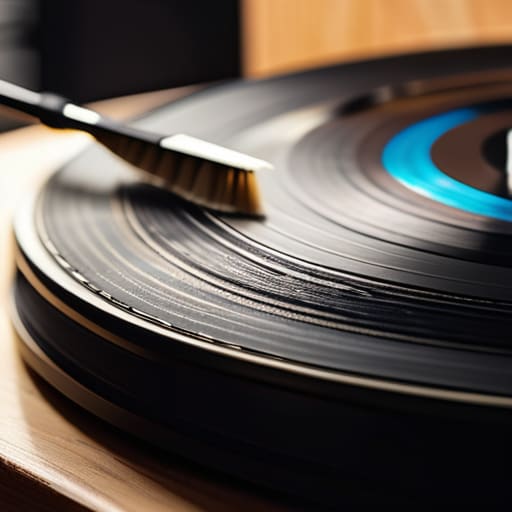
There is a certain tension in deciding how to approach a new acquisition, a choice between the quick brush and the deep soak. When I’m sitting at my desk, I often find myself weighing the merits of wet vs dry cleaning methods based entirely on the history of the disc in my hands. A dry method—using a high-quality carbon fiber brush—is my go-to for a routine dusting. It’s a quiet, meditative act that offers significant anti-static brush benefits, lifting those pesky surface particles before they can settle deep into the wax.
However, if a record has been sitting in a dusty attic or a damp basement for decades, a mere brush won’t suffice. For those stubborn, older finds, a wet clean is essential for cleaning record grooves safely and thoroughly. I always reach for a specialized solution and a dedicated microfiber cloth for vinyl to lift the grime that a dry pass simply cannot reach. It requires a bit more patience and a steadier hand, but the reward is a clarity of sound that makes the music feel as though it’s breathing right there in the room with you.
The Soft Touch of a Microfiber Cloth for Vinyl
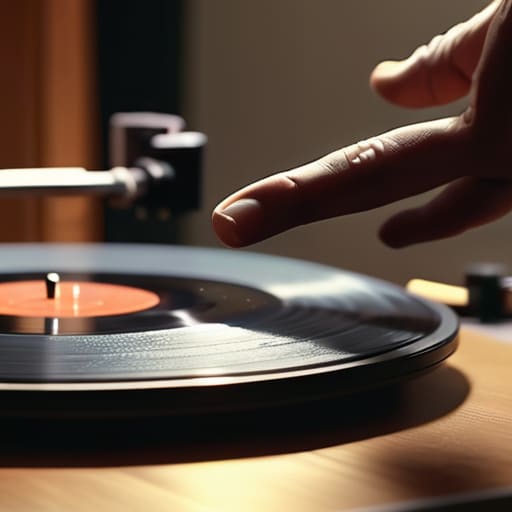
There is something deeply meditative about the way a soft cloth moves across a spinning disc. When I’m not lost in a jazz set at a local club, I find myself back at my turntable, practicing what I call the “quiet ritual.” If you aren’t looking to dive into a full liquid bath, a high-quality microfiber cloth for vinyl is your most faithful companion. It isn’t just about wiping away the dust of the day; it’s about a gentle, circular motion that respects the delicate landscape of the record. You have to be patient here. Don’t press too hard—let the fabric do the work of lifting the debris without disturbing the integrity of the surface.
I’ve learned through years of handling fragile archives that haste is the enemy of preservation. Using a dry cloth is a wonderful way of preventing surface noise on vinyl before a listening session, but you must be mindful of the friction. If you aren’t careful, you might inadvertently invite a bit of clinginess to the surface. I always find that a light, rhythmic touch helps in minimizing the buildup that leads to those dreaded pops and clicks, ensuring that when the needle finally drops, all you hear is the music.
The Small Details That Keep the Music Alive
- Mind the edges. When you’re working with a cloth, be careful not to let it catch on the outer rim of the disc; you want to guide the cleaning along the grooves, not create a friction that might warp the very thing you’re trying to save.
- Patience is your best tool. If you’re using a liquid solution, don’t rush to dry it immediately. Let the fluid do its work in the valleys of the record, much like how a good jazz solo needs space to breathe before the next note hits.
- Avoid the temptation of household sprays. I’ve seen too many well-meaning folks reach for a generic window cleaner, but those chemicals are far too aggressive for the delicate lacquer. Stick to distilled water and a drop of specialized solution.
- Watch your hands. The oils from your skin might seem insignificant, but they leave a film that attracts dust like a magnet. Try to handle your records only by the edges, treating them with the same respect you’d give an original manuscript in the archives.
- Listen to the silence. After you’ve finished cleaning, don’t just play it immediately. Give the record a moment to settle and dry completely in a stable environment; there is a certain peace in that quiet waiting period before the first crackle of the needle.
The Quiet Lessons of the Groove
Never treat the cleaning as a chore to be rushed through; treat it as a prelude to the music, allowing the stillness of the ritual to prepare you for the first note.
Choose your tools with the same respect you’d give an archival document—gentle, non-abrasive, and always mindful of the delicate history etched into those black grooves.
Remember that the goal isn’t just a clean surface, but the preservation of warmth, ensuring that the soul of the recording remains untouched by the dust of time.
## The Weight of the Groove
Cleaning a record isn’t just about removing dust; it is a quiet act of respect for the music itself. You aren’t just scrubbing plastic; you are clearing the path so the artist’s breath and the room’s natural stillness can finally reach your ears without interference.
Petra Lindgren
The Final Note
Whether you find yourself leaning toward the precision of a wet cleaning solution or the simple, tactile reliability of a microfiber cloth, the goal remains the same: respect for the medium. We have discussed the necessity of avoiding harsh chemicals that might strip the life from the wax, and the importance of choosing the right tools to lift the dust without adding more scratches. It isn’t about achieving some sterile, laboratory perfection; it is about removing the static that stands between you and the music. By mastering these small, intentional movements, you ensure that the grooves remain deep and the playback remains true, protecting your collection for the next generation to discover.
In the end, cleaning a record is more than just a chore or a maintenance task; it is a quiet, meditative prelude to the music itself. As I sit in my study, watching the light fade and preparing to drop the needle, I find that these few minutes of care actually help me slow down. We live in a world that demands we move faster, but your records ask for the opposite. They ask for your patience, your touch, and your presence. So, take your time with the ritual. Let the dust settle, let the cleaning settle your mind, and then, finally, let the music take over.
Frequently Asked Questions
Is it safe to use common household solutions, or will I risk damaging the delicate grooves of my older pressings?
I’ve seen too many well-intentioned collectors reach for the window cleaner or a bit of rubbing alcohol, and it breaks my heart to see those precious grooves clouded by chemical residue. Please, steer clear of anything harsh. For those older, more fragile pressings, stick to distilled water and a drop of high-quality, pH-neutral soap. It’s about patience, not potency. We want to preserve the music, not strip away the history etched into the wax.
How often should I actually be performing these cleaning rituals, or am I overthinking the maintenance?
I often find myself wondering if I’m being too precious with my collection, but there is a fine line between obsession and stewardship. If you’re spinning a record every night, a quick dry brush before the needle drops is a wise precaution. However, for a deep, wet clean, don’t feel pressured to do it every time. Save those more involved rituals for when you notice a bit of grit or a dullness in the sound.
What should I look for in a brush to ensure I'm not just pushing the dust deeper into the record?
When you’re selecting a brush, avoid anything that feels overly stiff or synthetic; you want something that mimics a gentle touch. Look for natural fibers, like goat hair, which have a slight, organic resistance that lifts dust rather than sweeping it into the grooves. A high-quality carbon fiber brush is also a fine companion for daily maintenance. It’s about finding that balance—something that captures the debris without leaving a scratch on the history you’re trying to preserve.
