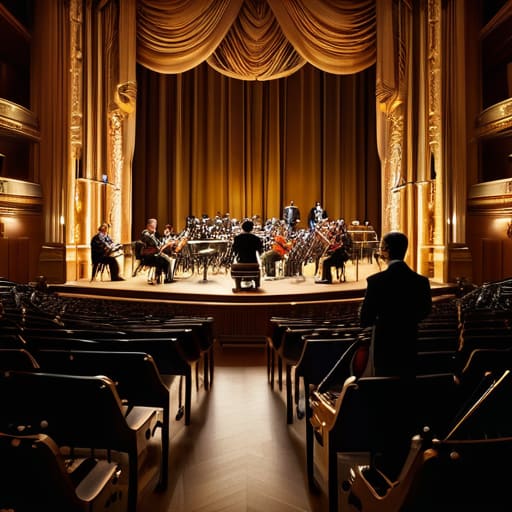
I remember sitting in a drafty concert hall in a city I’d never visited, watching a world-class ensemble unpack their instruments under the dim, amber glow of the stage lights. There was a specific, heavy scent in the air—a mix of old wood, valve oil, and the collective anticipation of a crowd that had traveled miles just to truly listen. It wasn’t about the prestige or the glossy brochures that try to sell you the grandeur of symphony orchestra tours; it was about that singular, vibrating moment when the conductor’s baton rises and the world outside finally goes silent.
I have no interest in the polished marketing fluff that treats these musical journeys like mere sightseeing excursions. Instead, I want to talk about the soul of the experience—the way a certain acoustics profile can change your entire perspective on a Mahler symphony. In the pages ahead, I promise to share my unvarnished observations on navigating these tours, focusing on how to find the quiet, transformative moments that actually stay with you long after the final note has faded into the rafters.
Table of Contents
Finding Stillness in International Music Tours
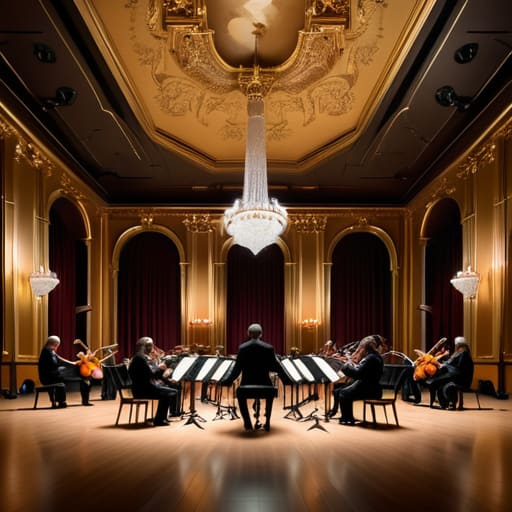
There is a particular kind of quiet that settles over you when you are sitting in a foreign concert hall, miles away from the familiar streets of home. During my years in the archives, I often cataloged the frantic paperwork behind the scenes, but I never truly understood the weight of the touring musician lifestyle until I sat in the dark of a grand European auditorium. There is a profound stillness in watching an ensemble navigate a complex symphonic repertoire for tours, moving through different cultures and acoustic spaces while maintaining a singular, shared breath.
When we engage with international music tours, we aren’t just checking a box on a travel itinerary; we are participating in a rare moment of collective deceleration. While the world outside might be obsessed with the efficiency of orchestral performance logistics, the audience is doing something much more radical: we are simply being present. In those moments, the frantic pace of modern life falls away, leaving nothing but the vibration of the strings and the unhurried grace of a melody that feels as though it has existed forever.
The Art of Curating Symphonic Repertoire for Tours
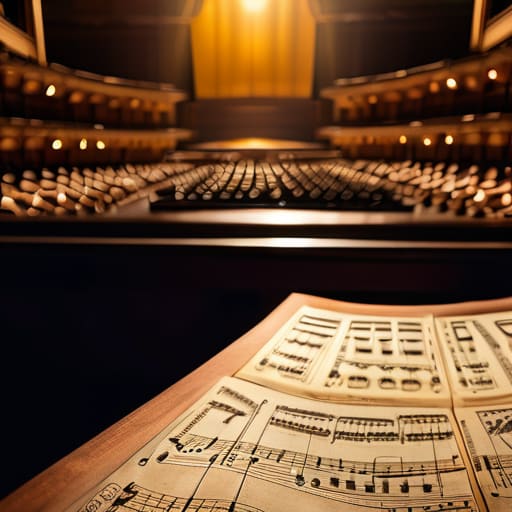
When I look back at the old programs from the archives, I’m always struck by how much thought goes into the selection of a program. It isn’t just about picking the most famous pieces; it’s about the narrative arc. Curating symphonic repertoire for tours requires a delicate balance between the familiar and the daring. You can’t just play the hits every night—that would be a disservice to the art. Instead, a conductor must weave a thread of emotion that can travel across borders, finding a common language in a Mahler symphony or a Debussy prelude that speaks to a stranger in a foreign hall just as clearly as it does to a neighbor at home.
There is also a quiet, practical wisdom required in these selections. One must consider the physicality of the music alongside the logistical realities of moving an entire ensemble across continents. A program that is too taxing might leave the musicians depleted by the third city, while one too light might feel inconsequential. It is a beautiful, complex puzzle—ensuring the music is heavy enough to leave a mark on the soul, yet nimble enough to sustain the long, winding journey of international music tours.
Small Notes on Making the Most of the Journey
- Don’t rush to the next city. If a tour stops in a place with a grand concert hall or a quiet, cobblestone square, give yourself an afternoon to just sit there. The music is better when you’ve had a moment to breathe in the local air first.
- Keep a close eye on the acoustics of the venues, not just the program. I’ve found that a smaller, more intimate hall often holds a melody much longer than a massive, sterile arena. The way the sound bounces off old wood tells a story of its own.
- Carry a physical program or a small notebook. In our digital age, we tend to reach for our phones to record everything, but I find that jotting down a single phrase or a feeling about a movement helps the performance settle into your bones.
- Listen for the silence between the movements. A great orchestra knows how to hold the tension in the quietest moments. It’s in those pauses—the collective breath of the audience and the musicians—where the real magic happens.
- Seek out the local music that isn’t on the tour itinerary. If you’re in Vienna or Prague, find a small basement club or a local ensemble playing something unexpected. It provides a necessary contrast to the grandeur of the symphony and keeps your ears sharp.
The Quiet Echoes of a Touring Orchestra
A tour is more than a series of performances; it is a rare opportunity to witness how a single piece of music can reshape the atmosphere of an unfamiliar room and connect strangers in the dark.
The true value of a well-curated repertoire lies in its ability to tell a story that transcends borders, proving that certain melodies carry a weight that remains long after the final note has faded.
We must approach these musical journeys with intention, slowing down enough to notice the subtle shifts in the air when a symphony moves from one city to the next, leaving its mark on the local soul.
The Weight of a Traveling Note
“A symphony orchestra on tour isn’t just a group of musicians moving from one stage to another; it is the intentional act of carrying a specific kind of silence and a specific kind of thunder across borders, proving that certain melodies possess a gravity that no map can contain.”
Petra Lindgren
The Resonance That Remains
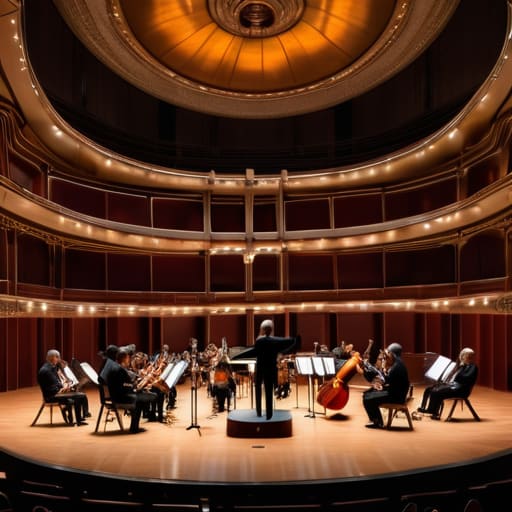
When we look back on these grand tours, it isn’t the logistics or the flight itineraries that linger in the mind. It is the way a carefully curated program can bridge the gap between cultures, or how the sudden stillness of an international concert hall forces a sense of shared humanity upon a room full of strangers. We have discussed how these journeys offer a unique kind of stillness and how the selection of repertoire acts as the very heartbeat of the experience. Ultimately, a symphony tour is more than a series of performances; it is a deliberate act of preservation, bringing the weight of musical history into new, breathing spaces.
As I sit here tonight, sketching the heavy molding of a local hall, I am reminded that the most profound things in life rarely happen in a rush. They happen in the pauses between the movements, in the dim light after the final note has faded, and in the quiet realization that we have been moved by something much larger than ourselves. I hope you find the time to seek out these moments—to travel not just to see new places, but to truly listen. Let the music stay with you, long after the lights go up and the crowd has dispersed into the night.
Frequently Asked Questions
How do these orchestras manage to maintain such a profound sense of intimacy when playing in grand, unfamiliar concert halls?
It’s a delicate alchemy, really. They don’t fight the vastness of a new hall; they lean into it. I’ve noticed that the best ensembles treat the space like a living thing, adjusting their phrasing and breath to meet the acoustics. They find those quiet, shared frequencies that bridge the gap between the stage and the furthest row. It’s less about volume and more about a collective, focused intention—a way of pulling the audience inward.
Is there a particular way to prepare oneself mentally to truly absorb the nuances of a performance while traveling?
I’ve found that the best preparation isn’t a study guide, but a deliberate slowing down. Before the first note is even played, I try to shed the frantic energy of travel—the luggage, the schedules, the noise. I sit in the venue a few minutes early, just observing the light and the grain of the wood. If you arrive with a quiet mind, you aren’t just hearing the music; you’re finally ready to feel it.
Beyond the music itself, how much does the history of the venues they visit shape the overall soul of the tour?
It’s everything. As an archivist, I can tell you that a concert hall isn’t just a container for sound; it’s a living vessel of memory. When an orchestra plays in a venue where the velvet is worn by a century of listeners and the wood has absorbed decades of crescendos, the music gains a weight it simply can’t find in a modern hall. The history breathes through the notes, turning a performance into a conversation with the past.
