I remember sitting in the basement of the university archives, the air thick with the scent of vanilla and decaying paper, watching a colleague meticulously transcribe a 19th-century ledger. There was no digital perfection there, just the rhythmic, scratchy sound of a nib meeting parchment. People often mistake the art of calligraphy for some high-priced, elitist pursuit requiring gold-flecked inks and fountain pens that cost more than a decent jazz record. They treat it like a performance of precision rather than what it actually is: a quiet conversation between the hand and the page.
I’m not here to sell you on expensive kits or the hollow perfection you see on those polished social media feeds. Instead, I want to share what I’ve learned from decades of handling the written word—the grit, the ink stains on your fingers, and the meditative stillness that comes when you finally stop rushing. We are going to strip away the pretension and focus on the soul of the stroke. I’ll show you how to find your own rhythm, focusing on the slow, intentional beauty that makes a single handwritten line feel truly permanent.
Table of Contents
Choosing Your Companions Essential Calligraphy Tools for Beginners
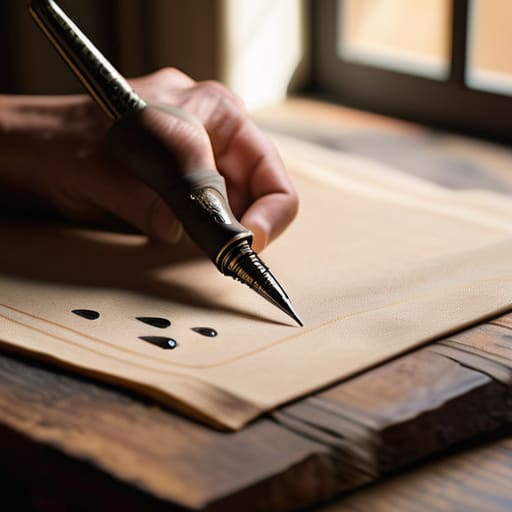
When I first began exploring the archives, I learned that history isn’t just in the stories, but in the very instruments used to record them. For those just starting, it is tempting to rush out and buy every gadget in the shop, but I’ve found that a thoughtful selection is far more rewarding. You don’t need a museum’s worth of equipment; you simply need a few reliable calligraphy tools for beginners that feel right in your hand. I always suggest starting with a sturdy holder and a small selection of calligraphy nib types and ink that flow predictably. There is nothing quite as discouraging as a scratchy pen when you are trying to find your rhythm.
As you settle in, you’ll find yourself deciding between different paths. Some prefer the bouncy, modern energy of brush lettering vs copperplate, which offers a more structured, disciplined elegance. Personally, I find myself drawn to the weight of a traditional nib; it demands a certain level of patience. Once you have your tools, the real magic begins—not in the perfection of the line, but in the quiet connection between your hand and the page.
The Quiet Rhythm of Hand Lettering Techniques
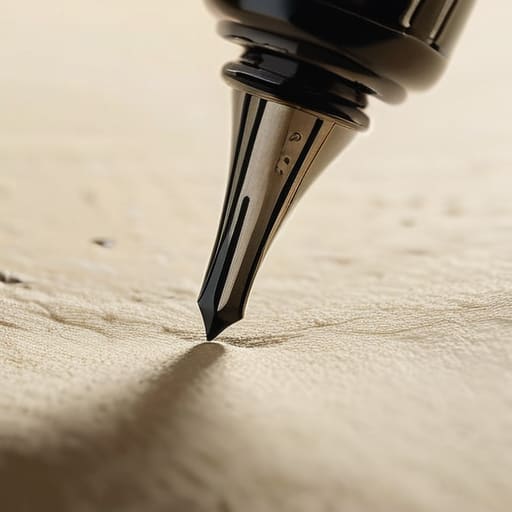
Once you have your tools laid out on the desk, the real work begins—not with the hand, but with the breath. I’ve often found that attempting these strokes while my mind is racing is a fool’s errand; the ink will betray your restlessness. To master the rhythm, you must learn to lean into the tension between the downstroke and the upstroke. It is a delicate dance of pressure. When you press down, you feel the nib spread, releasing a generous flow of ink, but as you lift, you must maintain a lightness that feels almost weightless.
As you settle into this cadence, you might find yourself drawn to the different personalities of various historical script styles. There is a profound difference in the soul of the work when you transition from the structured, disciplined elegance of brush lettering vs copperplate. One feels like a spirited conversation, while the other demands the quiet, unwavering precision of a scholar. I often find myself sketching out the flourishes of a letter just to see how the ink settles into the grain of the paper. It isn’t about perfection; it’s about finding that steady, meditative pulse.
Small Lessons in Patience and Ink
- Don’t rush the movement. I’ve learned from decades of handling fragile manuscripts that speed is the enemy of grace; let the pen glide at its own pace, following the natural rhythm of the stroke rather than fighting against it.
- Listen to the paper. There is a subtle, tactile feedback when a nib meets a high-quality sheet—a slight resistance that tells you exactly how much pressure to apply—so pay attention to that quiet conversation between tool and surface.
- Embrace the imperfect line. In my archives, the most beautiful documents were often those where a human hand was visible, so don’t discard a page just because a loop isn’t mathematically perfect; those tiny deviations are where the soul lives.
- Mind your breathing. It sounds simple, almost meditative, but I find that my lines become shaky when I hold my breath; try to exhale as you pull a long downstroke to keep your hand steady and your mind calm.
- Respect the drying time. We live in such a hurried world, but you cannot rush ink; give your work the dignity of time to settle into the fibers, or you’ll find yourself smudging away the very beauty you worked so hard to create.
The Quiet Lessons of the Nib
Calligraphy is less about the perfect letter and more about the discipline of slowing your breath to match the movement of your hand.
The tools you choose—the weight of the paper, the flow of the ink—are not just supplies, but partners in a quiet, tactile conversation.
True mastery lies in embracing the small imperfections, for it is in those slight tremors and ink blots that the human soul reveals itself.
The Weight of a Single Stroke
In my years among the archives, I learned that history isn’t just found in the facts we record, but in the way a hand once moved across a page—calligraphy is the quiet, stubborn refusal to let a moment pass without leaving a beautiful, intentional mark behind.
Petra Lindgren
The Final Stroke
As we pull back from the ink-stained desk, I hope you see that calligraphy is far more than just a collection of tools or a series of rigid movements. We have traveled from the selection of the right nib to the rhythmic, almost meditative flow of the letters themselves. It is a journey of understanding how a specific weight of paper meets a specific flow of ink, and how your own breath dictates the pace of the pen. Remember, the goal isn’t to achieve a sterile, machine-like perfection, but to master the deliberate connection between your hand and the page. It is about embracing the slight tremors and the unique character that only a human hand can provide through intentional practice.
In a world that seems determined to move faster every single day, I find a quiet rebellion in the act of slowing down to write a single word. There is a profound dignity in taking the time to compose something that cannot be deleted with a keystroke or rushed through a digital screen. When you finally set your pen down, let the stillness of the room settle around you. I hope you find that the beauty of calligraphy doesn’t just live in the finished script, but in the soulful pauses we take while creating it. Let your letters be a testament to the fact that some things are still worth the wait.
Frequently Asked Questions
How do I find the patience to keep my hand steady when the ink starts to feel heavy?
When the ink begins to weigh on your hand, it’s usually a sign that your spirit is rushing ahead of your pen. I’ve learned that you can’t force precision; you have to invite it. When that heaviness sets in, set the nib down. Pour a glass of something slow, look at the way the light hits the grain of your desk, and breathe. The steady hand follows a steady heart.
Is there a particular type of paper that won't let the ink bleed and ruin the moment?
It’s a frustration I know well—that sudden, jagged bloom of ink when the paper fails you. It breaks the spell. For a smooth experience, look for something with a bit of weight and a “tooth” that holds the ink rather than swallowing it. I’ve always found that Rhodia pads or a heavy, high-quality cotton stationery work wonders. They keep the lines crisp, allowing you to focus on the stroke, not the mess.
How can I stop worrying about perfection and just let the rhythm of the pen take over?
You have to stop treating the page like a museum archive where every specimen must be flawless. I spent forty years preserving history, and I learned that the most beautiful things often have a slight tremor of life in them. When you feel that tension in your shoulder, set the pen down. Breathe. Don’t aim for a perfect letter; aim for the movement itself. Let the ink flow like a low jazz bassline—sometimes it wanders, but it never loses the beat.
