
I was sitting in a corner booth at a basement jazz club last Tuesday, watching a group of young people try to capture the perfect, filtered shot of their cocktails while the band was mid-solo. It struck me how much we’ve lost to the glare of a smartphone screen. Everyone is so obsessed with chasing the latest, loudest nightlife trends that they forget to actually be in the room. We’ve traded the warmth of a shared melody for the hollow pursuit of a digital aesthetic, turning what should be a soulful experience into a mere backdrop for a social media feed.
I’m not here to tell you which club has the most expensive champagne or which venue is currently “trending” on an app. Instead, I want to help you strip away the noise. I promise to guide you toward the substance beneath the hype—the kind of places where the lighting is low, the music has teeth, and the atmosphere actually lingers in your mind long after you’ve walked home. Let’s stop chasing the spectacle and start finding the quiet magic that makes an evening worth remembering.
Table of Contents
The Rise of Boutique Nightlife Experiences
The Rise of Boutique Nightlife Experiences
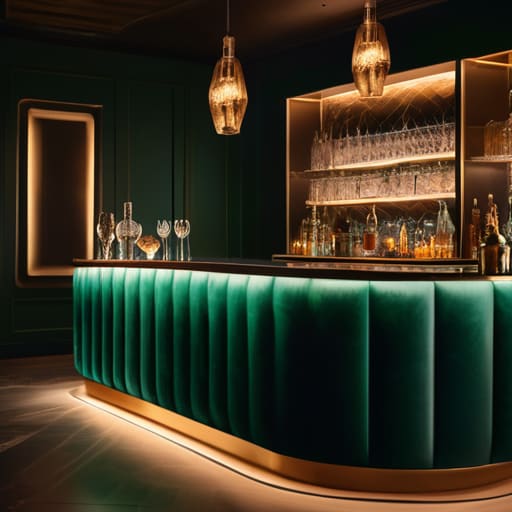
I’ve noticed a subtle but profound shift in how people are choosing to spend their Friday nights. The era of the cavernous, neon-soaked warehouse seems to be giving way to something much more intimate. We are seeing a move toward boutique nightlife experiences—those small, curated spaces where the acoustics are as carefully considered as the cocktail menu. It reminds me of the old jazz cellars I used to catalog in my archives; places that don’t demand your attention with flashing lights, but rather earn it through unmistakable atmosphere.
These smaller venues allow for a different kind of connection. Instead of being swallowed by a sea of strangers, you find yourself part of a shared, quiet moment. These metropolitan entertainment shifts suggest that we are collectively craving a sense of belonging rather than just a place to be seen. There is a certain grace in a room that holds only fifty people, where you can actually hear the brush of a drumstick on a snare. It’s about quality over volume, proving that the most lasting memories are often made in the smallest of rooms.
Finding Connection in Emerging Clubbing Subcultures
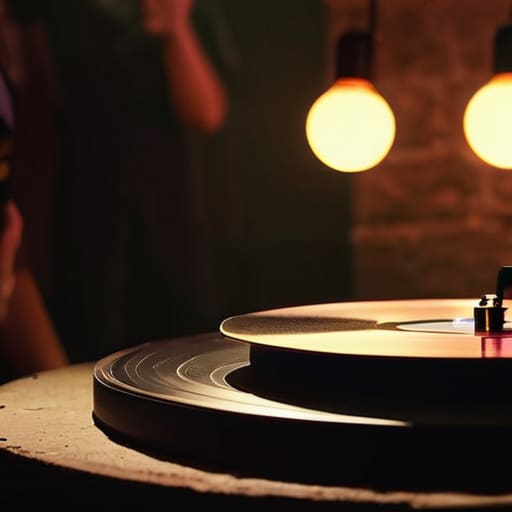
I’ve noticed a quiet shift in how people gather lately. It isn’t about the massive, neon-soaked warehouses that define the mainstream; instead, there is a beautiful pull toward emerging clubbing subcultures that feel almost secret. These are the small, intentional pockets of a city where the music isn’t just background noise, but a shared language. You see it in the way a room settles when a specific vinyl record drops—a collective exhale that feels far more meaningful than any choreographed spectacle.
There is a certain grace in these smaller circles, where the after-hours social dynamics favor conversation over spectacle. In my years archiving, I’ve seen how communities form around shared passions, and I see that same spirit unfolding in these niche spaces. People aren’t just looking to be seen; they are looking to belong. It’s a rejection of the digital noise, a way to find a genuine, tactile connection in a world that often feels too fast and too thin. We are finally learning to seek the substance behind the beat.
A Few Ways to Navigate the Night Without Losing Your Soul
- Seek the shadows, not the strobe. While the trend leans toward high-intensity light shows, there is a profound intimacy to be found in venues that prioritize mood and soft lighting. It allows you to actually see the person across the table and feel the weight of the music.
- Prioritize the analog over the digital. I’ve noticed a beautiful shift back toward vinyl sets and live instrumentation. When you can hear the slight crackle of a needle or the breath of a saxophonist, the night feels less like a broadcast and more like a shared moment.
- Embrace the slow burn. We are often conditioned to rush from one loud room to the next, but the most meaningful evenings usually happen when you stay in one place long enough to let the atmosphere settle around you. Let the music breathe, and let yourself do the same.
- Look for the curation, not just the crowd. The most interesting “trends” aren’t found in the largest clubs, but in the small, specialized spaces—the listening bars or the basement jazz spots—where the selection is intentional and the community is built on a shared appreciation for the craft.
- Leave the phone in your pocket. It’s tempting to document everything, but a night spent through a lens is a night half-lived. If you want to remember the architecture of a room or the way a melody moved you, reach for your notebook or simply sit with the feeling. Some things are better kept as private memories.
What Stays With Us After the Lights Go Up
Seek out intimacy over scale; the most meaningful evenings aren’t found in massive, neon-soaked warehouses, but in the quiet corners of a room where the music feels like a shared secret.
Value the curation of a moment; whether it’s a perfectly pressed vinyl record or a thoughtfully lit corner, the details are what transform a mere night out into a lasting memory.
Prioritize presence over the spectacle; true connection happens when we stop trying to capture the night through a lens and instead allow ourselves to simply sit, listen, and be part of the atmosphere.
The Ghost in the Machine
We spend so much time chasing the loudest room or the newest trend, but the real magic of a night isn’t found in the spectacle—it’s found in those quiet, unscripted moments where the music finally manages to pull the world still and leaves you with nothing but a melody and a memory.
Petra Lindgren
The Last Note of the Evening

As we look at how the landscape is shifting, it becomes clear that the era of the mindless, neon-soaked frenzy is giving way to something much more intentional. Whether it is the curated intimacy of a boutique lounge or the quiet, fierce kinship found within a niche subculture, the trend is moving away from the spectacle and toward the substance. We are seeing a collective desire to trade the overwhelming roar of the crowd for spaces that respect our senses and allow for genuine human connection. It isn’t just about where we go anymore; it is about the quality of the atmosphere we choose to inhabit.
Ultimately, these shifts tell me that we are all, in our own way, searching for something that lingers. A night shouldn’t just be a blur of motion to be checked off a list; it should be a series of moments that stay with you long after you’ve stepped back out into the cool night air. So, the next time you find yourself deciding where to spend your evening, I encourage you to ignore the loudest siren and instead seek out the dimmer light. Find that place where the music feels like a conversation and the shadows feel like home. That is where the real magic happens.
Frequently Asked Questions
How can we protect these intimate, smaller venues from being swallowed up by the city's constant push for modernization?
It starts with how we show up. We have to treat these spaces not as mere conveniences, but as landmarks worth preserving. I often find myself sketching the molding of a jazz cellar, realizing that once these walls are gone, the history goes with them. We must vote with our presence—choose the dim, local corner over the polished corporate lounge. If we don’t value the patina of an old room, we can’t expect the city to.
Is there a way to enjoy these emerging subcultures without losing that sense of quiet, personal connection that makes them special?
It’s a delicate balance, isn’t it? I find the secret lies in the margins. Don’t feel pressured to be in the center of the dance floor or the loudest part of the room. Seek out the corners, the quiet booths, or even just a spot near the back where you can observe the rhythm without being consumed by it. Approach these spaces like I approach an archive: with curiosity and a quiet, respectful presence.
Where can one find these slower, more intentional spaces if they aren't advertised with the usual neon flash and noise?
You won’t find these places on a bright, flashing billboard. Look instead for the places that feel like they’ve always been there—the basement jazz bars with heavy oak doors or the quiet corners of a library-turned-lounge. Often, the best sign is simply the lack of one. Follow the low hum of conversation and the soft glow of a lamp. If a venue feels like it’s whispering rather than shouting, you’ve likely found your spot.
