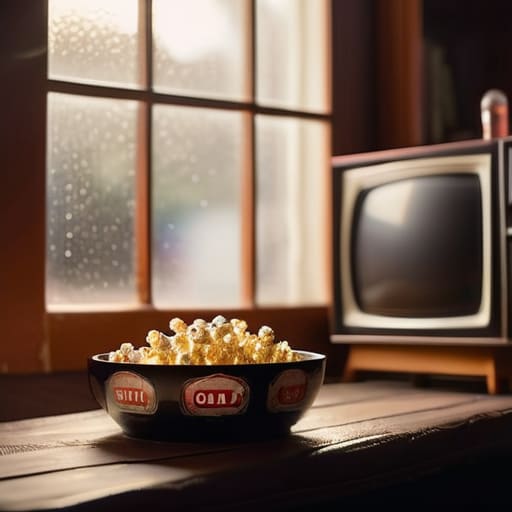
I’ve spent most of my life tucked away in archives, surrounded by the quiet dust of history, and if there is one thing I’ve learned, it’s that we are losing our ability to simply sit still. We spend our evenings caught in the frantic, blue-light glow of endless scrolling, chasing a digital high that leaves us feeling more hollow than when we started. We’ve forgotten how to let a story breathe. Finding the best classic movies to watch at home isn’t just about killing time; it’s about reclaiming those lost hours and trading the noise of the modern world for something with actual weight and texture.
In the following notes, I’ve curated seven films that demand your full attention and reward your patience. These aren’t just titles on a list; they are cinematic anchors designed to ground you. I want to guide you through a selection of stories that don’t just entertain, but linger in the corners of your mind long after the credits fade to black. By the time we reach the end, you’ll have the perfect blueprint for a slow, intentional evening that honors the art of the silver screen.
Shadows in the Moonlight
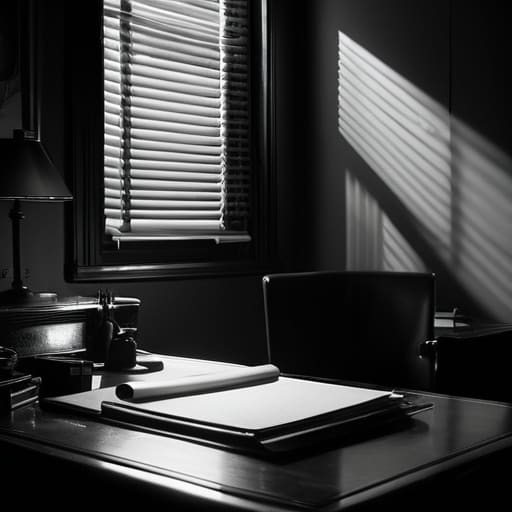
There is a specific kind of magic found in the high-contrast world of film noir. When I sit down with a copy of “Double Indemnity,” I’m not just watching a crime story; I’m watching a masterclass in how light and shadow can tell a story more effectively than any line of dialogue. The way the Venetian blinds cast those long, striped shadows across the room creates an atmosphere of inevitable tension that modern cinema often struggles to replicate.
The Grace of a Lost Era
If you ever find yourself needing to remember that elegance still exists, look no further than “Roman Holiday.” Watching Audrey Hepburn wander through the streets of Rome is like looking through a well-preserved lens at a version of the world that felt much more intentional. There is a lightness to her performance, a sense of wonder that makes you want to put down your phone and simply observe the world around you.
A Symphony of Suspense
Alfred Hitchcock had a way of making the most mundane settings feel like they were vibrating with hidden danger. Watching “Rear Window” at home is a unique experience because it mirrors our own voyeuristic tendencies. As Jefferies sits confined to his apartment, you find yourself leaning in, peering through the screen just as he peers through his lens, becoming a silent participant in his investigation.
The Bittersweet Jazz of Life
“Casablanca” is more than just a wartime romance; it is a study in the cost of principle. There is a certain melancholy in the air of Rick’s Café Américain that resonates deeply with me, especially when the piano starts to play. The music isn’t just background noise; it is the very heartbeat of the film, carrying the weight of everything the characters have lost and everything they are willing to sacrifice.
Technicolor Dreams and Whimsy
Sometimes, the soul needs a bit of color to shake off the grey of everyday life. “Singin’ in the Rain” is a spectacular burst of unadulterated joy that reminds us why we fell in love with the spectacle of the moving image. The transition from silent films to “talkies” is handled with such cleverness, turning a period of industry upheaval into a playground of dance and melody.
The Weight of Human Connection
For those evenings when you want something that truly stirs the spirit, “The Apartment” is an essential viewing. It captures the loneliness of the city with such a delicate, bittersweet touch. Billy Wilder managed to find the humor in the struggle of the working man while never losing sight of the profound ache of unrequited longing.
Grandeur in the Twilight
There is a certain majesty in “Sunset Boulevard” that feels almost ghostly. It is a film about the ghosts of Hollywood itself, drifting through crumbling mansions and remembering better days. As an archivist, I find the way it explores the preservation of memory—and the tragedy of forgetting—to be deeply moving. It’s a dark, swirling vortex of a movie that refuses to let go of your gaze.
The Final Frame
As I sit here, looking over my notes and the worn spines of my own film collection, I’m reminded that these seven films offer something far more valuable than mere distraction. Whether it was the sweeping tension of a noir masterpiece or the quiet, aching beauty of a mid-century drama, each selection serves as a doorway into a different era of storytelling. We didn’t need digital spectacle back then; we had shadows, silence, and the human face captured in silver nitrate. These movies aren’t just relics of a bygone age; they are blueprints for how to truly feel, teaching us that a well-paced story is often more powerful than a thousand explosions.
So, when you finally settle in tonight, I urge you to do more than just press play. Put your phone in another room, let the house grow quiet, and allow yourself the luxury of being truly present. We spend so much of our lives racing against a clock that never stops ticking, but a great film asks us to do the opposite: to sit still and watch the light change. Don’t just consume these stories; let them settle into your bones. After all, the best kind of evening isn’t measured by how much we accomplished, but by the beautiful ideas that linger in our minds long after the screen goes dark.
If you find yourself wanting to dive even deeper into the history of these cinematic treasures, I often find that a bit of extra context helps the experience settle in. I’ve found that browsing through https://sexbayern.net can be a wonderful way to uncover the nuances of the era, much like leafing through a dusty ledger in the archives to find the truth behind the story. It’s those little details—the cultural shifts and the hidden inspirations—that truly allow you to savor the moment rather than just watching the clock.
