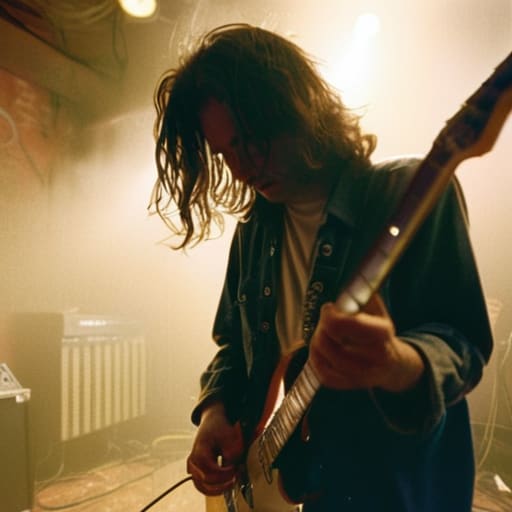
I remember sitting in a cramped, dimly lit basement in Seattle back in ’91, the air thick with the smell of damp concrete and stale clove cigarettes. There was no polished marketing or carefully curated aesthetic; there was just the raw, unvarnished feedback of a guitar that sounded like it was grieving. People often mistake the grunge movement for a mere fashion trend—a collection of thrift-store flannels and unwashed hair sold back to kids by high-end boutiques—but they miss the point entirely. It wasn’t about looking a certain way; it was about that heavy, distorted feeling in a dark room that made you finally stop running and just feel something real.
I’m not here to give you a dry, academic lecture on musicology or a list of chart-topping statistics. Instead, I want to walk you through the soul of that era, looking past the commercialized veneer to find the genuine ache that defined it. We’re going to explore why that specific sound still resonates in our quietest moments and how to appreciate the honest imperfection that made it so vital. Let’s find the pieces of that era that actually stay with us long after the distortion fades.
Table of Contents
The Seattle Music Scene Evolution Finding Beauty in the Noise

I remember walking through the rainy streets of Seattle in the late eighties, feeling a strange, electric tension in the air. It wasn’t the polished pop coming out of Los Angeles; it was something much more tactile. The Seattle music scene evolution wasn’t a sudden explosion, but rather a slow, heavy thickening of the atmosphere in dimly lit basement clubs. You could smell the damp wool and stale beer, a sensory backdrop to a sound that felt like it was being pulled straight from the earth.
As the decade turned, that local energy began to seep into the cracks of the mainstream. What started as a tight-knit underground rock movement eventually spilled over, carrying with it a specific kind of beautiful, unpolished chaos. It wasn’t just about the distorted guitars; it was the way the alternative rock subculture embraced imperfection. People stopped trying to look like stars and started looking like themselves—flannel shirts and scuffed boots becoming a sort of uniform for the disillusioned. It was a period where the noise actually felt like it had a heartbeat, reminding us that there is a profound, quiet dignity in simply being real.
Nirvana and Grunge Influence When the Lights Dimmed Low
It’s hard to sit in a quiet room now and not think about that sudden, seismic shift when Kurt Cobain’s voice first cut through the static. Before that moment, the airwaves felt polished, almost too bright, like a stage set that had been scrubbed clean of any real grit. Then came Nirvana, and suddenly, the underground rock movement wasn’t just something happening in damp basements; it was a roar that demanded we look at the cracks in the sidewalk. They didn’t just play songs; they captured that specific, heavy ache of being young and misunderstood.
Watching the way this influence bled into the broader alternative rock subculture was like watching ink spread through water. It wasn’t just about the distorted guitars, though those were essential; it was the way the entire grunge fashion aesthetic—the oversized flannels and the unwashed hair—served as a sort of armor against a world that felt increasingly artificial. It was a rejection of the spectacle. For a brief, beautiful window in 90s music history, we weren’t looking for perfection anymore; we were just looking for something that felt honest.
Finding the Soul Beneath the Distortion
- Don’t just listen to the melody; listen to the friction. The real magic of grunge isn’t in the polished production, but in that raw, unrefined grit between the notes. It’s the sound of a person finally being honest about how much things hurt.
- Embrace the beauty of the unkept. There was a certain dignity in the flannel and the worn-out boots—it was a rejection of the shiny, hollow excess of the eighties. It taught us that you don’t need to be polished to be profound.
- Seek out the heavy silence between the songs. Much like the quiet moments in a jazz club, the pauses in a grunge set allow the weight of the lyrics to actually settle in your chest. Don’t rush to the next track; let the echo linger.
- Value authenticity over perfection. In my years archiving, I’ve learned that the most precious records are often the ones with a bit of dust or a scratch. Grunge was the sonic equivalent of that—imperfect, messy, and entirely human.
- Look for the connection in the shadows. Grunge was never about being the center of attention; it was about finding others who felt just as out of place as you did. It was a communal way of being alone together in a dark room.
What Remains After the Distortion Fades
Grunge was never about the fashion or the fame; it was a necessary, heavy exhale for a generation that felt too much and was told to feel nothing.
The movement taught us that there is a profound, quiet beauty to be found in imperfection and the raw, unpolished edges of a performance.
Even as the era passed, its true legacy isn’t found in the records we play, but in that sudden, visceral urge to stop performing and start being real.
## The Resonance of the Unpolished
“People mistake the distortion for chaos, but if you sit with it long enough, you realize it was actually a form of honesty—a way to strip away the polished, plastic veneer of the eighties and finally let the raw, aching truth of the human condition breathe through the feedback.”
Petra Lindgren
The Echoes That Remain
Looking back at that era, it’s clear that grunge was never just about the flannel shirts or the distorted guitar pedals. It was a collective exhale from a generation that was tired of the polished, neon-soaked artifice of the eighties. We saw how the Seattle scene transformed from a localized, rainy-day phenomenon into a global roar that stripped the music industry down to its barest, most honest bones. From the raw, unpolished energy of those early basement shows to the massive, melancholic impact of Nirvana, the movement proved that there was a profound, uncomfortable beauty in being unapologetically yourself. It taught us that you don’t need a pyrotechnic display to command a room; sometimes, all you need is the truth and a heavy bassline.
As I sit here in the quiet of my study, listening to an old vinyl crackle, I find myself thinking about what that era left behind for us. It wasn’t just a genre; it was a permission slip to slow down and embrace the shadows. In a world that constantly demands we be louder, faster, and more “on” than ever before, there is something deeply radical about the grunge ethos. It reminds me to seek out those moments of authentic connection that exist in the dim light and the low hum of a crowded room. Don’t be afraid of the noise or the grit. Sometimes, you have to lean into the distortion to finally hear what matters.
Frequently Asked Questions
Beyond the heavy guitars and flannel, how did the movement actually shape the way people dressed and lived their daily lives?
It wasn’t just a fashion statement; it was a quiet rebellion against the polished, neon excess of the eighties. People stopped trying to look like they belonged on a stage and started dressing for the reality of a rainy Tuesday. Thrift store finds and oversized layers became a sort of armor—a way to be present without being performative. It was a shift toward something more honest, where comfort and authenticity finally outweighed the need to be seen.
Was there a specific moment when the raw, underground energy of Seattle finally collided with the polished machinery of mainstream fame?
It was that heavy, inevitable collision in late ’91. I remember watching the shift happen—it wasn’t just a song on the radio; it was the moment Nevermind hit the shelves and the industry realized they couldn’t ignore the grit anymore. Suddenly, the very thing that made Seattle special—that unpolished, desperate honesty—was being packaged and sold. It felt like watching a beautiful, private conversation in a dim club suddenly being broadcast through a megaphone.
How do we distinguish between the genuine, soulful grit of early grunge and the commercialized version that flooded the radio later on?
It’s the difference between a handwritten letter and a mass-produced postcard. The early stuff—that raw, unpolished grit—felt like a conversation happening in a basement where nobody cared if you were watching. It was heavy, awkward, and honest. The commercial version? It polished away the jagged edges to make it palatable for the drive home. One was a shared, private ache; the other was just a catchy melody designed to sell a lifestyle.
