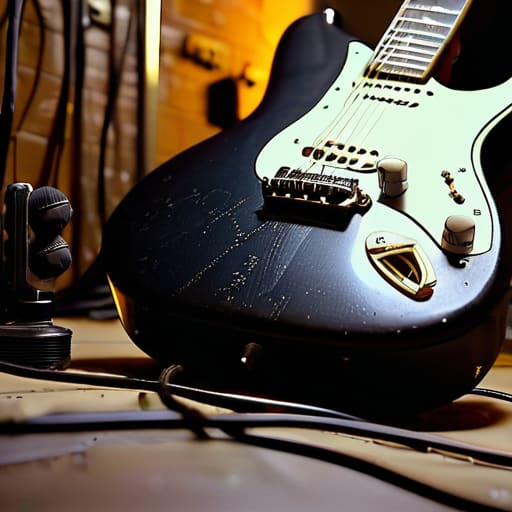
I remember sitting in a cramped, basement club in Seattle back in the early nineties, the air thick with the smell of damp wool and stale clove cigarettes. There was no polished stage or expensive lighting; there was just the raw, vibrating hum of a guitar that sounded like it was fighting to stay together. People talk about grunge influence today as if it’s something you can simply buy in a high-end boutique, packaged neatly in distressed denim and overpriced flannel. But they miss the point entirely. To me, it was never about the clothes; it was about that unapologetic friction between the music and the grit of the streets.
I’m not here to give you a lecture on fashion trends or tell you which designer to follow. Instead, I want to peel back the layers of commercialism to find what actually remains. We’re going to look past the surface-level aesthetics to understand the quiet rebellion that defines this movement. I promise to share what I’ve learned from years of observing how culture truly settles into our bones, helping you find the genuine soul beneath the hype.
Table of Contents
Tracing the Seattle Music Scene History

To understand where that sound came from, you have to look past the polished stadiums and back into the damp, grey streets of the Pacific Northwest. I often think about the Seattle music scene history not as a sudden explosion, but as a slow, steady accumulation of pressure. It was born in the cramped basement venues and dive bars where the air was thick with clove cigarettes and the hum of overdriven amplifiers. There was a distinct post-punk influence on grunge that bled through the speakers—a sense of urgency and disillusionment that felt far more honest than anything playing on the Top 40 radio at the time.
It wasn’t just about the noise, though. It was a specific kind of communal exhaustion. You could feel the weight of the alternative rock subculture forming in real-time, a group of artists who weren’t interested in the theatricality of hair metal, but rather in the raw, unvarnished truth of a distorted chord. They traded the neon lights for flannel and shadows, creating a movement that felt less like a trend and more like a necessary exhale for a generation that had grown tired of the spectacle.
The Raw Soul of Grunge Music Characteristics

When I sit in a dim corner of a club, listening to a record that leans heavily into that era, I’m not just hearing noise; I’m hearing a specific kind of honesty. The true grunge music characteristics aren’t found in the polished production of a studio, but in the unfiltered friction between a distorted guitar and a weary voice. It’s a sound that feels heavy, almost tactile, like the damp air of a Pacific Northwest evening. There is a deliberate lack of pretension there—a refusal to smooth over the jagged edges that made the music feel so vital.
You can trace a clear line from the jagged, rhythmic tension of post-punk influence on grunge, seeing how those earlier movements paved the way for something much more visceral. It wasn’t just about the volume, though; it was about a shared sense of disillusionment. This wasn’t a genre designed to sell you a lifestyle, but rather a way to process the quiet chaos of being alive. It was music that didn’t ask for your permission to be loud, messy, or profoundly sad.
Finding Your Own Rhythm in the Grit
- Don’t be afraid of the fray. Whether it’s a worn-in flannel or a record with a few scratches, there is a profound honesty in things that show their age. Embrace the texture rather than seeking out the polished and new.
- Prioritize substance over spectacle. The heart of the grunge movement was never about the flashy lights; it was about the feeling behind the chord. When you’re choosing what to wear or what to listen to, ask yourself if it actually resonates with who you are.
- Curate a collection that tells a story. I find that a single, well-loved vintage jacket often says more than a closet full of fast fashion. Look for pieces—and music—that carry a sense of history and weight.
- Seek out the unpolished corners. You won’t find the true spirit of this aesthetic in a sterile showroom. It lives in the dimly lit basement clubs and the dusty corners of secondhand shops where the real character is hiding.
- Slow down and listen to the imperfections. In a world obsessed with digital perfection, there is a quiet rebellion in enjoying a distorted guitar riff or a raw, unedited vocal. Let the noise settle in; that’s where the soul resides.
What Remains When the Distortion Fades
Grunge isn’t just a collection of flannel shirts and heavy chords; it is a profound rejection of the polished, artificial perfection that often defines our era.
The movement’s true power lies in its vulnerability, teaching us that there is a certain, quiet dignity in embracing the raw and the unrefined.
To truly understand the aesthetic, one must look past the surface-level trends and listen for the heartbeat of the era—the sound of a generation finding its voice in the shadows.
The Resonance of the Unpolished
“We spend so much time trying to polish the edges off our lives, but grunge taught us that there is a profound, honest beauty in the fraying seams and the distorted notes—the things that aren’t meant to be perfect, only meant to be felt.”
Petra Lindgren
The Echo That Remains
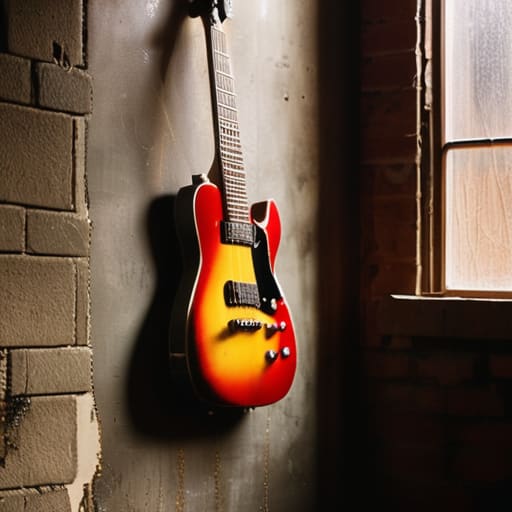
When we look back at the Seattle explosion and the jagged, unpolished sounds that defined it, we aren’t just looking at a musical genre or a fleeting fashion trend. We are looking at a moment when the artifice of the eighties finally crumbled, replaced by something that felt uncomfortably honest. From the flannel shirts that served as armor against the damp Pacific Northwest air to the distorted, heavy riffs that refused to apologize for their imperfection, grunge was a rejection of the superficial. It taught us that there is a profound, albeit messy, beauty in the unrefined edges of our lives, proving that authenticity doesn’t need a polished finish to leave a lasting mark on our culture.
As I sit here in the dim light of my study, listening to a worn vinyl spin, I find myself thinking about how much we still need that spirit today. In an era where everything feels curated, filtered, and rushed toward perfection, the grit of the grunge era serves as a necessary reminder to slow down and embrace the cracks. Don’t be afraid of the noise or the rough patches in your own story. Sometimes, it is the distorted chords and the shadows in the corner of the room that remind us we are truly alive. Let yourself be a little unpolished; that is often where the real soul resides.
Frequently Asked Questions
How do we see the grit of that era showing up in the clothes people wear today without it feeling like a mere costume?
It comes down to the way we wear it. A costume feels forced, like you’re playing a part, but true grit is about utility and wear. Today, I see it in the way someone chooses a heavy, oversized flannel or a pair of well-loved denim—not because it’s a trend, but because the textures feel honest. It’s about finding those pieces that look better with a bit of fraying at the edges.
Can you still find that same sense of unpolished, honest emotion in the music being made in modern clubs?
It’s a different kind of search these days, certainly. Most modern clubs are polished to a mirror shine, driven by a digital precision that can feel a bit sterile. But if you slip away from the strobe lights and find those smaller, sweat-soaked rooms—the ones where the sound feels heavy in your chest—you’ll find it. That raw, unvarnished honesty hasn’t vanished; it’s just moved into the shadows, waiting for those willing to look.
Beyond the heavy guitars, how did the grunge movement change the way we look at the very architecture and atmosphere of our city's social spaces?
It’s more than just the sound; it’s how those heavy chords reshaped our spaces. Grunge stripped away the polished, neon pretension of the eighties, pushing us toward the corners. Suddenly, the city’s beauty wasn’t in the pristine, but in the weathered. We began seeking out those dim, cavernous basements and repurposed industrial warehouses—places where the peeling paint and exposed brick felt more honest. It taught us to find sanctuary in the shadows and the unpolished.
