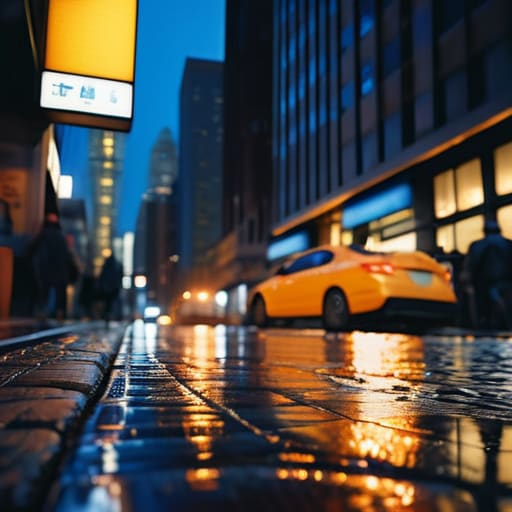
I remember sitting in a corner booth at a jazz club in Detroit last autumn, the air thick with the scent of old mahogany and rain-dampened wool. I wasn’t looking for a grand skyline or a sweeping panoramic shot; I was watching the way a single amber streetlamp caught the steam rising from a subway grate. Most people think urban photography is about chasing the most expensive lenses or finding the perfect, high-contrast sunset to show off on a screen. But they’re missing the point entirely. They’re looking at the city, but they aren’t actually seeing it.
I have no interest in teaching you how to master complex aperture settings or which gadgets will make your gear look more professional. Instead, I want to share how you can find the quiet, unseen rhythm of the streets. I’ll show you how to stop rushing through your frames and start looking for those fleeting, soulful details that most people blink and miss. We aren’t just taking pictures here; we are learning how to capture the city’s breath before the lights go up and the night settles in.
Table of Contents
Low Light City Photography and the Beauty of Dimmed Corners
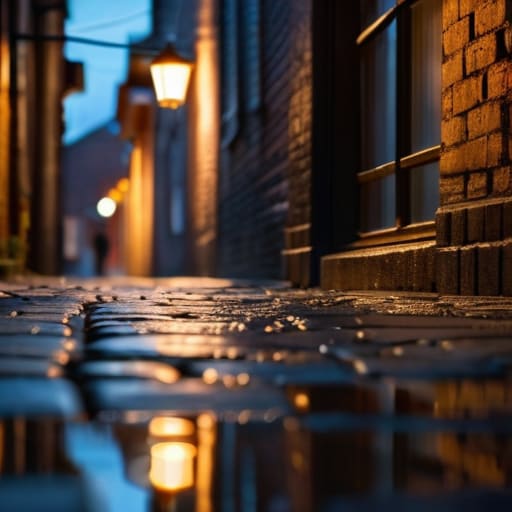
There is a specific kind of magic that happens when the sun finally retreats, leaving the city to settle into its evening skin. Most people see the dark as a void, but for me, it is where the true character of a place emerges. When I’m out with my camera, I find myself drawn away from the neon-soaked main drags and toward those quiet, shadowed alleyways. It is in these pockets of shadow that low light city photography truly finds its soul. You aren’t just documenting buildings; you are documenting the way light clings to a brick corner or how a single streetlamp can turn a mundane puddle into a mirror.
I often find that the best shots require a bit of patience—the kind of patience I used to practice while cataloging fragile manuscripts. Instead of rushing to catch a fleeting subject, I prefer to lean into long exposure cityscapes, letting the camera drink in the ambient glow of the metropolis. By slowing down, you can turn the frantic rush of traffic into soft, ethereal ribbons of light. It turns a chaotic street into a study of motion and stillness, reminding us that even in the rush, there is a rhythmic, almost musical grace to the way a city moves.
Capturing Metropolitan Movement Through Soft Lingering Blurs
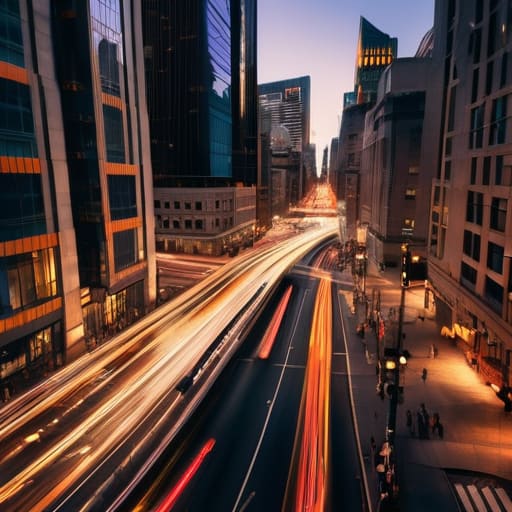
There is a particular kind of magic that happens when you stop trying to freeze time and instead allow it to flow. When I sit in a corner of a dimly lit café, watching the commuters rush toward the subway, I’m reminded that the city isn’t a static monument; it’s a living, breathing organism. To truly master capturing metropolitan movement, you have to let go of that need for clinical sharpness. Instead, lean into the motion. By utilizing long exposure cityscapes, you can transform a chaotic intersection into a graceful ribbon of light, turning the frantic energy of a Tuesday evening into something that feels almost rhythmic, like a slow tempo in a Miles Davis track.
It isn’t just about the technical settings, though. It’s about how you frame the rush. I often find myself sketching the way a passing bus cuts through the glow of a neon sign, trying to understand the geometry of the blur. When applying these street photography composition techniques, look for the stillness amidst the chaos—a solitary figure standing still under a streetlamp while the world rushes past them in a smear of color. That contrast is where the soul of the city truly resides.
A Few Notes from My Notebook: Finding the Rhythm of the Street
- Stop looking for the grand spectacle. The real magic usually hides in the periphery—a single neon sign reflecting in a puddle, or the way a shadow stretches across a brick alleyway. Look for the small, quiet details that most people hurry past.
- Respect the stillness. In my years archiving, I learned that history isn’t just in the books; it’s in the pauses. When you’re out there, don’t just hunt for the shot. Sit on a bench, let your eyes adjust to the twilight, and wait for the city to present itself to you.
- Let the light tell the story. You don’t need a bright, midday sun to make a compelling image. In fact, the harsh light of noon often kills the mood. Seek out those amber streetlamps and the soft, moody glow of a jazz club window; that’s where the soul of the city lives.
- Frame the human element, but keep it subtle. You don’t need a portrait of a stranger to capture the feeling of a crowd. A silhouette walking past a storefront or the blurred movement of a coat in a subway station tells a much deeper story about the ebb and flow of urban life.
- Carry less, observe more. I’ve found that if you’re fumbling with too much gear, you’ll miss the very moment you came to find. Keep your kit light and your eyes sharp. Sometimes, the best way to capture a scene is to simply stand still and let the composition reveal itself to you.
Things to Carry in Your Pocket and Your Mind
Put down the timer and find your rhythm; the best shots aren’t found in a rush, but in the quiet patience of waiting for the light to settle.
Don’t be afraid of the shadows; a city’s true character often hides in the parts we usually try to illuminate.
Look for the texture of the moment, whether it’s the way a neon sign bleeds into a puddle or the soft blur of a stranger passing by—those are the details that actually stay with you.
The Art of Noticing
“A camera shouldn’t just be a tool for documentation; it should be a way of listening. When you stop trying to capture every bright, obvious landmark and instead focus on how a single shadow falls across a brick alleyway, that’s when the city finally starts to tell you its secrets.”
Petra Lindgren
The Final Frame
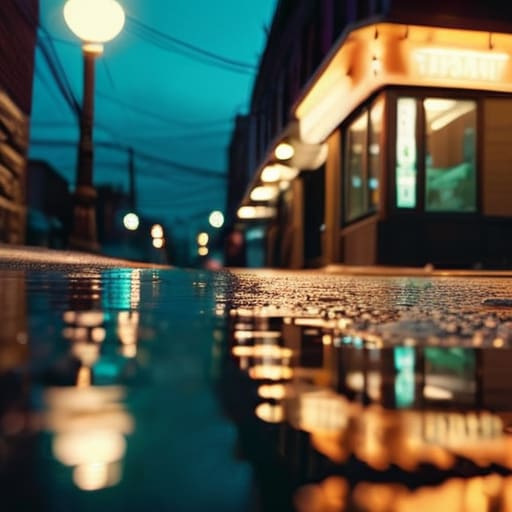
As the night settles and the rush of the workday fades, we realize that urban photography isn’t about documenting a map, but about capturing a feeling. We’ve talked about finding the grace in those dimmed, quiet corners and how a bit of intentional motion blur can turn a chaotic street corner into a living, breathing poem. It is easy to get caught up in the technicalities—the ISO settings, the shutter speeds, the perfect exposure—but those are merely tools. The real work lies in learning to see the city not as a collection of steel and concrete, but as a tapestry of light and shadow that changes every single hour.
I often find myself sitting in a corner booth of a jazz club, notebook in hand, just watching how the light catches the edge of a glass or the curve of an archway. I think you should approach your camera with that same patience. Don’t feel the need to capture everything; instead, wait for the moment that actually speaks to you. The most profound images aren’t the ones that show us exactly what a place looks like, but the ones that remind us how it felt to be there. So, step out tonight, slow your pace, and let the city tell you its story.
Frequently Asked Questions
How do you find the patience to wait for the right light when the city feels like it's constantly rushing past you?
You have to stop trying to race the city. I’ve learned that if you’re sprinting, you’ll only ever see the blur of the crowd, never the character of the street. I find my patience by finding a seat—a quiet corner of a cafe or a stoop near a jazz club—and simply letting the clock run. When you stop being a participant in the rush, you become an observer. The light doesn’t hurry, so why should you?
What are your thoughts on capturing the grit of an alleyway versus the polished elegance of a grand hotel lobby?
It’s a bit like choosing between a weathered jazz record and a pristine symphony. The grand lobby offers a certain polished grace—it’s easy to admire the symmetry and the light. But for me, there’s more truth in the alleyway. The grit, the damp brick, the shadows that don’t quite retreat—that’s where the city’s real history hides. One is a beautiful performance; the other is the honest, unvarnished soul of the streets.
When you're out walking, how do you decide which architectural details are worth sketching in your notebook and which are worth framing in a photograph?
It’s a bit of a tug-of-war between the eye and the hand. If a facade has a certain rhythm—the way a stone archway catches a stray beam of light or a gargoyle seems to be listening to the jazz drifting from a basement club—I reach for my camera to freeze that instant. But if I feel the weight of the history in the masonry, the grit of the texture, I stop. I pull out my notebook. Some things are too tactile for a lens; they require the slow, deliberate scratch of graphite to truly be understood.
