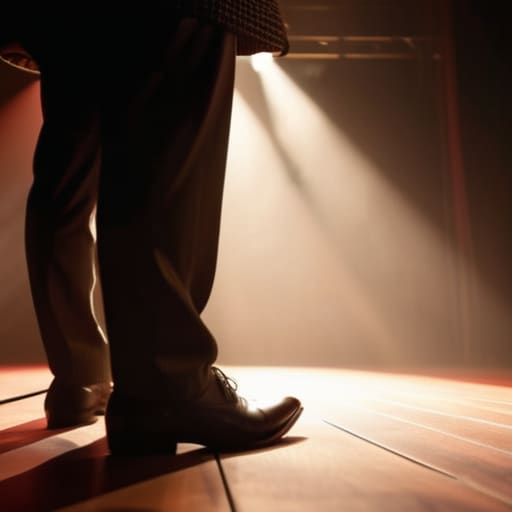
I remember sitting in a basement club in Chicago years ago, the air thick with the scent of stale beer and old wood, watching a man under a single, harsh spotlight. There was no flashy production, no digital screens, just the raw, rhythmic tension of a performer trying to find a connection in the dark. That is the true essence of stand up comedy—it isn’t about the celebrity status or the viral clips you see scrolling through your phone during lunch. It is about that vulnerable, fleeting moment when a stranger speaks a truth so sharp it cuts through the noise of a busy life and makes a room full of people breathe in unison.
I’m not here to give you a roadmap to fame or a list of industry secrets that don’t actually exist. Instead, I want to talk about the craft of the pause, the importance of the room, and how to truly listen to what is being said. I promise to share what I’ve gathered from years of observing human nature in these dim spaces, offering you a way to appreciate the art without the unnecessary hype. Let’s look past the spectacle and find the soul of the set.
Table of Contents
Writing Funny Jokes in the Soft Glow of Midnight

I’ve often found that the best ideas don’t arrive when you’re staring at a blank screen under harsh fluorescent lights. Instead, they tend to drift in during those quiet, liminal hours—the moments after the crowd has thinned and the city begins to settle. When I sit with my notebook late at night, I’m not just looking for punchlines; I’m looking for the truth in the absurdity. Writing funny jokes requires a certain kind of patience, a willingness to sit with a thought until it reveals its rhythm. It’s much like archival work; you have to sift through the mundane layers to find the piece of history—or in this case, the comedy—that actually resonates.
There is a delicate art to observational humor examples that feel less like a performance and more like a shared secret. You aren’t just reciting a script; you are pointing at the world and saying, “Did you see that, too?” It’s about catching the small, jagged edges of daily life that most people rush past. When you approach the craft with that kind of stillness, the humor stops feeling forced and starts feeling inevitable.
Observational Humor Examples Found in Lifes Small Details

I often find myself sitting in the back corner of a dimly lit room, notebook in hand, watching not just the performer, but the way the light hits a half-empty cocktail glass or how a patron fumbles with a heavy coat. Most people rush past these tiny frictions of existence, but that is exactly where the magic hides. True observational humor examples aren’t found in grand, sweeping political statements; they are found in the way a person sighs when they realize they’ve forgotten their keys, or the peculiar silence that falls between songs in a jazz club.
When I watch a seasoned pro, I see them utilizing certain stand up comedy techniques to turn these mundane irritations into shared truths. They take a moment that felt lonely or awkward in real time and stretch it out, making us realize we’ve all felt that exact same tremor of embarrassment. It’s about the art of noticing. By slowing down and looking at the seams of our daily routines, a comedian can take a trivial annoyance and transform it into a moment of profound, collective recognition.
The Art of the Pause: Five Lessons from the Back of the Room
- Listen for the silence between the laughs. In my years with archives, I learned that what isn’t recorded is often as important as what is; in comedy, the way a performer holds a quiet moment can be just as powerful as the punchline itself.
- Study the rhythm of the room. A good set isn’t just a list of jokes; it’s a conversation with the shadows and the crowd, moving like a slow jazz tempo rather than a frantic race to the finish line.
- Find the truth in the mundane. The most enduring humor doesn’t come from grand exaggerations, but from those small, slightly uncomfortable truths about life that we all recognize but rarely stop to mention.
- Respect the architecture of a story. Just as a well-built building tells a history through its structure, a comedic set needs a foundation—a steady build that allows the audience to feel safe before you pull the rug out from under them.
- Don’t fear the quiet moments. There is a tendency to rush to fill every second with noise, but some of the best comedic timing comes from the willingness to sit in the tension and let the audience catch up to the thought.
The Echoes That Remain
True comedy isn’t about the loudest punchline; it’s about finding the truth in the quiet, uncomfortable pauses that make an audience lean in.
Don’t rush to find the joke; instead, slow down and look for the absurdity in the mundane details of a Tuesday afternoon or a crowded subway ride.
A great set, much like a well-preserved record, relies on rhythm and timing—knowing exactly when to let the silence do the heavy lifting.
## The Architecture of a Punchline
“Watching a comedian is much like studying an old map; you realize that the most profound truths aren’t found in the grand landmarks, but in the small, messy, overlooked corners of our shared human experience.”
Petra Lindgren
The Final Set
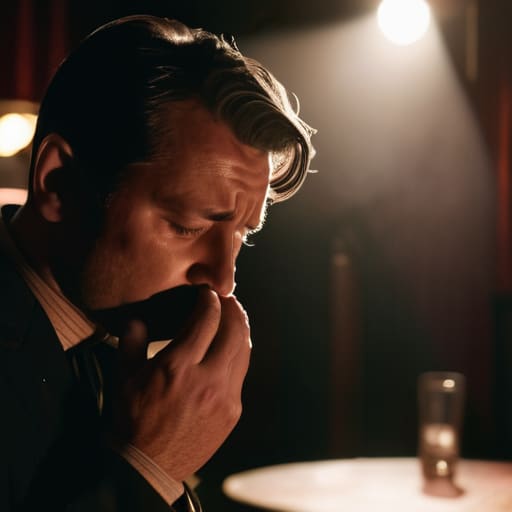
As I sit here in the corner of this dimly lit club, watching the comedian wipe the sweat from his brow after a heavy set, I’m reminded that comedy is much more than just a sequence of punchlines. We’ve talked about the necessity of finding humor in the midnight oil, the craft of honing a joke in solitude, and the importance of looking closer at the small, overlooked frictions of our daily lives. Whether you are the one behind the microphone or someone simply sitting in the dark with a drink, the essence remains the same: it is about the courage to look at the world—in all its messy, unpolished glory—and find the rhythm within the chaos. It is a delicate balance of timing, observation, and, most importantly, radical honesty.
Ultimately, I think we seek out these performances because we need to know we aren’t alone in our absurdities. A truly great set doesn’t just make you laugh; it makes you feel seen. It pulls us out of our frantic, rushing lives and forces us to pause, to breathe, and to acknowledge the shared human condition through a lens of levity. So, the next time you find yourself in a room filled with shadows and expectant laughter, don’t just wait for the next joke. Lean in. Listen to the silence between the laughs. That is where the real magic lives, and that is what stays with you long after the stage lights have dimmed.
Frequently Asked Questions
How does a comedian manage to find that delicate balance between being funny and being truly meaningful?
It’s a bit like finding the right frequency on an old radio. If they lean too hard into the punchline, it’s just noise—fleeting and loud. But if they linger too long on the gravity, the room grows heavy. The best ones, the ones who stay with you, use the laughter as a bridge. They make you chuckle first, just to lower your guard, so that when the truth finally lands, it finds you wide open.
Is there a way to appreciate the craft of a set even if the jokes themselves aren't making you laugh out loud?
I often find that the best moments aren’t always found in the roar of a crowd, but in the quiet tension of a performer finding their footing. Even if a punchline misses, watch their hands, their pacing, or how they navigate a heavy silence. Much like a jazz improvisation that wanders off-key before finding the melody, there is a profound, rhythmic bravery in the attempt. Sometimes, the craft is in the struggle itself.
Where can one find those quiet, tucked-away clubs where the comedy feels more like a shared secret than a loud performance?
You won’t find them on the bright, neon-soaked main strips. To find the real magic, you have to look for the unmarked doors in the basements of old jazz haunts or tucked behind the heavy velvet curtains of aging theaters. I usually look for the places where the flyer is hand-scrawled and the lighting is dim enough to make you feel like you’ve stumbled into someone’s living room. That’s where the secrets live.
