
I remember sitting in a dimly lit basement club in Chicago back in ’84, the air thick with the scent of old paper and rain-dampened wool. I wasn’t looking for a spectacle; I was just looking for a place to breathe. While everyone else was chasing the loud, frantic energy of the decade, I found myself leaning into the subtle, swaying pulse of bossanova style. It wasn’t about the technical perfection of the notes, but rather that specific, melancholic warmth that seems to settle in your bones when the world outside is moving far too fast.
I’m not here to give you a clinical breakdown of music theory or a list of expensive equipment you don’t need. Instead, I want to share what I’ve gathered from decades of listening to the shadows and the sounds that actually matter. We are going to explore the true essence of bossanova style—not as a trend to be mastered, but as a way of being. I promise to show you how to find that intentional, rhythmic stillness that turns a simple evening into something that truly stays with you.
Table of Contents
Rio De Janeiro Music History and the Art of Lingering

To understand the heartbeat of this sound, one has to look back at the sun-drenched streets of the late 1950s. While I was still buried in dusty archives in Michigan, a revolution was quietly unfolding in the apartments of Ipanema. This wasn’t the loud, percussive samba that commanded the carnival streets; instead, it was a sophisticated, inward-looking movement. The Rio de Janeiro music history of that era is defined by a certain poetic restraint—a way of stripping music down to its most essential, elegant bones.
It was a marriage of traditional samba and a newfound, cool intellectualism. You can hear it in those delicate acoustic guitar techniques that seem to dance just slightly behind the beat, creating a sense of effortless grace. As the decades progressed, these sounds began to bleed into other realms, eventually inviting jazz fusion influences that expanded the genre’s horizons without losing its soul. For me, listening to these old recordings feels like watching a shadow stretch across a courtyard at dusk; it is an invitation to stop, breathe, and simply exist within the melody.
Smooth Bossa Nova Rhythms That Demand a Pause

There is a specific kind of magic in the way a nylon string vibrates against a quiet room. When I sit in a dimly lit corner of a jazz club, I find myself watching the hands of the guitarist more than listening to the melody itself. It is in those intricate acoustic guitar techniques—the delicate plucking and the subtle, syncopated shifts—that the genre truly breathes. These smooth bossa nova rhythms don’t demand your attention with a shout; instead, they invite you to lean in, rewarding the listener who is willing to slow their heart rate to match the tempo.
Unlike the frantic energy of modern pop, this sound relies on a sense of controlled restraint. You can hear the faint echoes of brazilian jazz characteristics woven into the harmonies, creating a texture that feels both sophisticated and deeply intimate. It isn’t just background noise; it is a structured, rhythmic lullaby that forces a momentary truce with the chaos of the outside world. When the beat settles into that familiar, swaying motion, you realize that the music isn’t just something you hear—it is something you inhabit.
Five Ways to Let the Rhythm Settle In
- Prioritize the space between the notes. In bossa nova, what isn’t played is just as vital as the melody itself; learn to appreciate the quiet gaps that allow a song to breathe.
- Dim the lights and lean into the shadows. This music wasn’t meant for fluorescent glare or bright, midday energy; it requires a setting that encourages you to sit still and listen.
- Trade the rush for a rhythmic sway. Don’t try to dance with frantic energy; instead, find that subtle, syncopated pulse that moves through your body rather than demanding your attention.
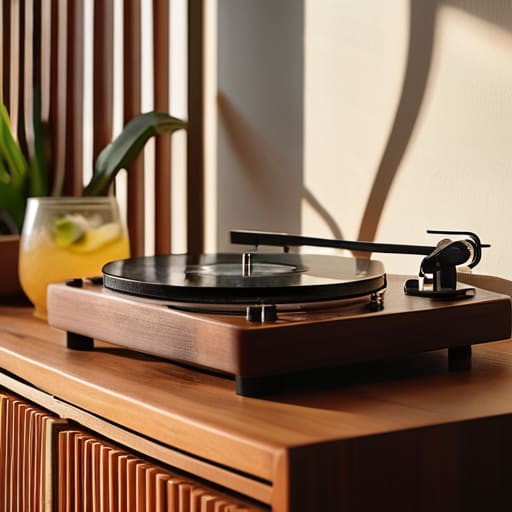
- Seek out the warmth of analog sounds. There is a certain soul in the crackle of a vinyl record that complements the genre’s intimacy—a texture that digital perfection simply cannot replicate.
- Practice the art of intentional listening. Put away the distractions and let the soft vocals and nylon strings guide your evening; treat the music as a companion, not mere background noise.
The Quiet Lessons of the Bossa Nova Spirit
Bossa nova isn’t just a genre to be heard; it is an invitation to slow your pulse and find beauty in the subtle, understated nuances of a melody.
True connection happens in the spaces between the notes, teaching us that there is profound value in lingering rather than rushing toward the next thing.
To embrace this style is to embrace a way of living—one that prioritizes dim lights, intentional listening, and the grace of a quiet, rhythmic evening.
## The Architecture of a Sigh
“Bossa nova isn’t something you listen to so much as something you inhabit; it is the musical equivalent of a long shadow stretching across a wooden floor at dusk—a gentle, rhythmic reminder that there is profound dignity in simply slowing down.”
Petra Lindgren
The Last Note Fading
As we look back at the threads that weave this style together, it becomes clear that bossa nova is far more than just a collection of syncopated chords or a specific tempo. It is a delicate balance between the historical heartbeat of Rio and those intimate, understated rhythms that force us to slow our breathing. We’ve seen how it emerged from a need to capture a certain way of being—a way that values the subtle shift of a guitar string over the loud, crashing crescendos of the world outside. To truly understand this music, one must understand the art of lingering, allowing the melody to settle into the corners of the room before moving on to the next thing.
I often find myself sitting in the back of a dimly lit club, sketching the way the light hits the brass of a saxophone, and I realize that we all need these musical pauses. In a world that demands we run faster and shout louder, bossa nova offers us a quiet rebellion. It invites us to stop rushing through our evenings and instead, notice the texture of the silence between the notes. So, the next time you find yourself caught in the frantic pace of the day, I encourage you to find a soft rhythm, dim the lights, and simply let yourself be present. That is where the real beauty resides.
Frequently Asked Questions
How does one distinguish the subtle nuances between a true bossa nova rhythm and the more polished, commercial "smooth jazz" we often hear on the radio today?
The difference lies in the heartbeat. Smooth jazz often feels like a polished mirror—perfectly clean, perhaps a bit too bright, and designed to sit comfortably in the background without ever challenging you. True bossa nova, however, has a certain friction. It’s found in that syncopated, slightly restless guitar pluck that breathes between the notes. One is a pleasant surface; the other is a deep, rhythmic conversation that demands you lean in.
Are there specific instruments or textures I should listen for to truly capture the soul of the genre's early years?
Listen for the “violão”—that nylon-string guitar. It shouldn’t sound percussive; it should feel like a heartbeat, soft and syncopated. Then, there’s the piano, often played with a light, almost hesitant touch, leaving plenty of space between the notes. I always find that the magic lies in the textures: the breathiness of a vocal, the subtle shimmer of a shaker, and that deliberate use of silence. It’s the gaps where the soul resides.
Beyond the music itself, what kind of atmosphere or setting best honors the intentional, slow pace that bossa nova demands?
To truly honor these rhythms, you must seek out shadows. It isn’t about a grand stage; it’s about a corner table in a room with low amber lighting and the faint scent of old wood. You need a setting that feels lived-in—perhaps a dim lounge where the architecture doesn’t crowd the soul. Avoid the bright, frantic energy of modern bars. Find a place that encourages you to sit, stay, and simply exist.
