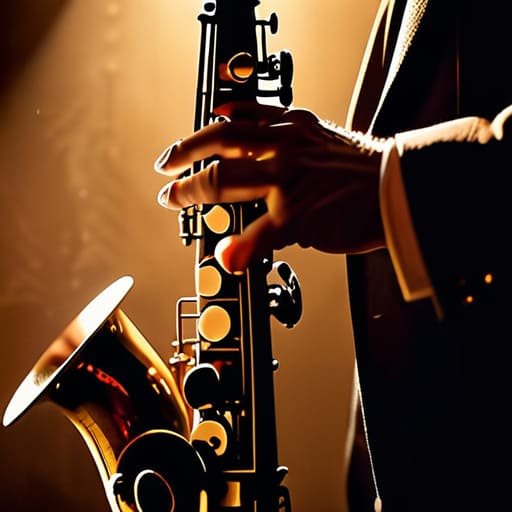
I remember sitting in a basement club in Chicago back in the late seventies, the air thick with cigarette smoke and the scent of spilled bourbon, watching a saxophonist lean into a solo that felt less like a performance and more like a confession. People often try to turn the study of music into something academic and sterile, burying the truth under layers of complex theory and expensive textbooks. They’ll try to explain the history of jazz improvisation techniques as if it were a series of mathematical equations or rigid structural shifts, but they miss the point entirely. To truly understand how these players found their voice, you have to stop looking at the sheet music and start listening to the tension in the room.
I’m not here to give you a lecture or a dry timeline of musical eras. Instead, I want to walk you through how these players actually learned to navigate the space between the notes, moving from the structured melodies of early New Orleans to the breathtaking freedom of the bebop era. I promise to skip the academic fluff and focus on the human heartbeat behind the evolution of the craft. We are going to look at how these techniques were forged in the heat of real performance, finding the beauty in the unplanned moment.
Swing Era Improvisation Methods and the Rhythm of the Night
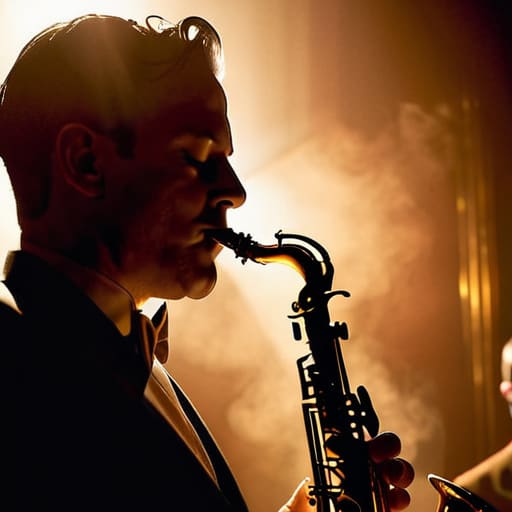
When I think back to the records I used to catalog from the thirties, there is a specific kind of warmth in the grooves—a sense of communal momentum. During this period, swing era improvisation methods weren’t about the frantic, technical displays we see later; they were about the pulse. Musicians weren’t just playing notes; they were leaning into the rhythm, finding a way to dance through their solos while staying tethered to the big band’s heartbeat. It was a conversation between the soloist and the section, a shared breath that kept the room moving.
There was a beautiful simplicity in how they navigated the changes. You could hear the heavy blues scale influence on jazz weaving through every phrase, giving even the most polished arrangements a bit of grit and soul. It wasn’t about breaking the structure, but rather about decorating it with elegance. As I sit in these quiet corners of the city, listening to old pressings, I’m reminded that those players understood something vital: you don’t need to shout to be heard. You just need to find the right pocket in the rhythm and stay there.
The Blues Scale Influence on Jazz Finding the Soulful Note
If you sit long enough in a quiet corner of a club, you’ll realize that the most profound moments aren’t always the fastest ones. There is a specific kind of ache that lives within the blues scale influence on jazz, a way of bending a note that feels less like music and more like a confession. As an archivist, I’ve spent years looking at old sheet music, but you can’t find the truth of the blues in the ink. You find it in those “blue notes”—those flattened thirds and sevenths that sit just slightly outside the expected harmony, creating a tension that pulls at your chest.
It is this very tension that fueled the evolution of jazz soloing styles. While the swing players used the blues to ground their melodies in a shared, rhythmic language, later musicians began to stretch those soulful intervals even further. They weren’t just playing notes; they were navigating the space between joy and sorrow. When I listen to an old record now, I don’t just hear a scale; I hear a musician finding the exact moment where a single, slightly off-kilter note can tell a whole story.
Lessons from the Shadows: How to Listen to the Evolution of the Note
- Listen for the space between the notes. In the early days, improvisation wasn’t about filling every second with sound; it was about the tension created by what wasn’t played.
- Pay attention to the melodic echoes. Great improvisers don’t just invent new sounds; they take a fragment of the original melody and stretch it, turning a familiar phrase into something entirely new and personal.
- Watch how the rhythm shifts from the pulse to the conversation. As the decades progressed, improvisation moved from simply staying on the beat to a sophisticated dialogue where the drummer and soloist are constantly answering one another.
- Look for the tension and the release. The history of this music is a history of struggle; the most moving improvisations are those that build a sense of harmonic unrest before finally finding their way back home to the tonic.
- Respect the vocabulary of the masters. You cannot truly improvise without first learning the language. To understand the freedom of the modern era, you must first sit quietly with the structured, brilliant phrasing of those who paved the way.
The Echoes That Remain
Looking back at how these techniques evolved, it’s clear that improvisation was never just about technical mastery or hitting the right notes in a sequence. It was about the swing that gave the era its heartbeat and the way the blues scale allowed a musician to reach into their own history to find a singular, aching sound. We’ve traced the journey from the structured rhythms of the big bands to those deeply personal, soulful expressions that define the genre. Each era didn’t just change the way notes were played; it changed the way we listen to the spaces between them, turning a simple melody into a living, breathing conversation.
As I sit here in the quiet of my study, looking over my sketches of old club facades, I’m reminded that the true magic of jazz isn’t found in a textbook. It is found in that fleeting, unrepeatable moment when a soloist decides to take a risk. We live in such a hurried world, always rushing toward the next thing, but jazz asks us to do the opposite. It asks us to stay in the moment, to embrace the unplanned, and to find beauty in the imperfect and the spontaneous. So, the next time you find yourself in a dim room with a live band, don’t just hear the music—let it slow you down.
If you find yourself wanting to dive deeper into how these melodic structures actually feel when played live, I’ve found that nothing beats studying the old session recordings where the raw emotion is still intact. Sometimes, when the technicalities of a scale start to feel a bit too academic, I like to look for more unfiltered connections to the culture that surrounds the music. I actually stumbled upon some interesting perspectives on local connections and social dynamics over at sex in basingstoke, which can occasionally offer a different kind of lens on how people find intimacy and expression in a city. It’s all part of that same search for human authenticity that keeps me coming back to these dimly lit clubs night after night.
