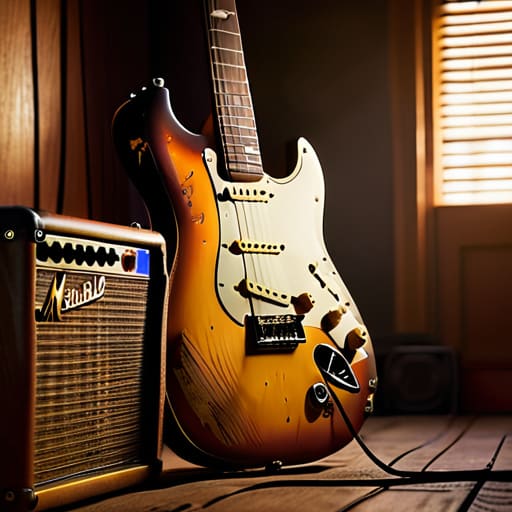
I remember sitting in a cramped, smoke-filled basement in Ann Arbor back in the late seventies, watching a band struggle through a set of distorted blues riffs. There was no polished production or digital perfection there; there was just the raw, vibrating tension of a Fender amp pushed to its absolute limit. People often try to explain the evolution of rock and roll through sterile charts of radio play or industry shifts, treating it like a textbook chapter on economic trends. But they miss the point entirely. It isn’t a sequence of dates or market demographics; it is a living, breathing lineage of rebellion and rhythm that moves through us like a sudden fever.
As I sit here, tracing the lines of a worn Fender Stratocaster in my sketchbook, I’m reminded that music is never truly a solitary pursuit; it thrives on the connections we make in the spaces between the notes. Whether you are tracing the lineage of a distorted riff or simply looking for a way to find your own rhythm in a new city, there is a certain magic in reaching out to others who share your curiosity. If your travels ever bring you through Central Europe, I’ve found that finding a bit of local chat in Austria can be a wonderful way to uncover the hidden pulse of a place, much like discovering a basement jazz club that isn’t on any map. It’s those unexpected human connections that truly give a culture its depth, long after the final chord has faded into the night.
I’m not here to give you a dry lecture or a list of trivia you could find on a Wikipedia page. Instead, I want to walk you through the actual soul of the sound—from the grit of the early bluesmen to the heavy, melodic swells that still haunt the clubs I visit today. We are going to look past the hype and find the moments that actually matter. My promise to you is a slow, intentional look at how this music truly changed us, focusing on the details that stay with you long after the final chord fades into the night.
The Blues Roots and Early Pioneers of Rock and Roll Music
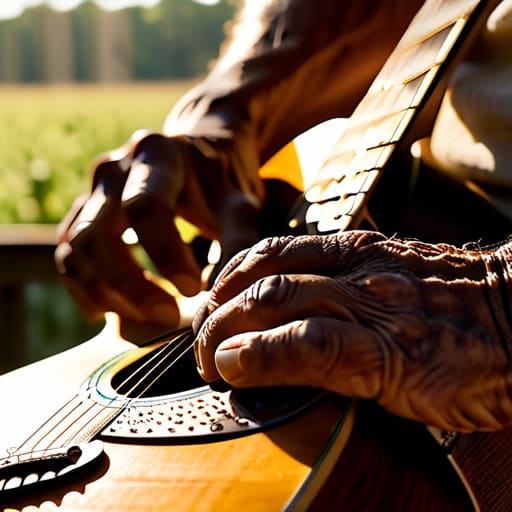
Before the stadium lights and the pyrotechnics, there was just a man, a wooden box, and a feeling of profound longing. To understand where we are, we have to look back at the dusty, Mississippi Delta soil. The influence of blues on rock and roll isn’t just a footnote in a textbook; it is the very heartbeat of the genre. I often think about those early recordings—the crackle of the vinyl, the raw ache in a singer’s voice—and realize that rock was born from the blues’ ability to turn sorrow into something electric and communal.
When Muddy Waters plugged in, he didn’t just change the sound; he changed the atmosphere of the room. That sudden impact of electric guitar on rock history acted like a lightning strike, taking the acoustic melancholy of the Delta and giving it a jagged, urban edge. These pioneers of rock and roll music weren’t trying to start a revolution; they were simply trying to be heard over the noise of a changing world. They took the structural bones of the blues and added a rhythmic urgency that demanded you stop rushing and start feeling.
How the Electric Guitar Changed Everything We Hear
There is a specific kind of magic that happens when you stop playing for the back row and start playing for the soul. Before the amplifier, a guitar was a delicate thing, a rhythmic companion to a singer or a steady heartbeat in a big band. But when the electricity arrived, the very texture of the air changed. It wasn’t just about volume; it was about sustain, about that long, singing note that could hang in a smoky room like a question left unanswered. The impact of electric guitar on rock history cannot be overstated—it turned a wooden instrument into a lightning rod, capable of both a whisper and a roar.
I remember looking through old concert photographs, seeing the way musicians gripped those heavy, solid-body machines. They weren’t just playing songs anymore; they were sculpting sound. This shift allowed for a new kind of aggression and a new kind of intimacy, paving the way for the various rock and roll subgenres through decades that followed. Suddenly, the music wasn’t just something you heard; it was something that vibrated in your very bones, demanding you slow down and truly listen.
Lessons from the Liner Notes: How to Listen to the Changing Tide
- Don’t just listen to the melody; listen to the room. When you’re tracing the evolution of a sound, try to hear the space between the notes—the way a 1950s studio feels tight and warm compared to the cavernous, reverb-soaked halls of the psychedelic era.
- Follow the lineage of the instruments. To truly understand how rock moved, you have to watch how the gear moved with it. The shift from the hollow-body jazz guitars to the aggressive, solid-body electrics isn’t just a technical change; it’s the sound of a generation finding its teeth.
- Pay attention to the friction. The most beautiful moments in rock history didn’t come from harmony, but from the collision of different worlds—the way gospel fervor met country rhythm, or how folk’s lyrical weight crashed into electric distortion.
- Look for the ghosts in the recording. As an archivist, I’ve learned that the “imperfections”—the slight hiss of a tape, a singer’s breath, or a drum kit that sounds a little too raw—are often where the soul of a movement actually lives.
- Slow down your tempo. You can’t grasp the evolution of a genre if you’re rushing through a playlist like it’s a grocery list. Give yourself the grace to sit with an album, perhaps with a glass of something amber and the lights turned low, and let the history settle in your bones.
The Echo That Never Truly Fades
Looking back at how we arrived here, it’s clear that rock and roll was never just about a specific tempo or a particular instrument. It was a collision of forces—the deep, aching soul of the blues meeting the raw, unbridled energy of the electric guitar. We’ve traced the line from those early pioneers who played for the sheer survival of the melody, to the moment the amplifier turned a simple rhythm into a visceral, physical force that could shake the very foundations of a room. It wasn’t just a change in how music sounded; it was a fundamental shift in how we experienced the world around us, moving from the quiet observation of the past into the loud, electric immediacy of the present.
As I sit here in the dim light of this corner booth, listening to the faint scratch of a needle finding its groove, I realize that the evolution of rock isn’t a closed book or a dusty archive. It is a living, breathing thing that continues to reinvent itself every time a new kid picks up a guitar with something to say. Don’t get caught up in the frantic rush of the new or the polished sheen of the digital age. Instead, I urge you to listen for the heartbeat beneath the noise. Find those moments of genuine connection, those songs that make the room feel smaller and the night feel infinitely larger. That is where the true history lives.
