
I was sitting in a corner booth at a jazz club last Tuesday, the kind of place where the shadows are thick and the air smells faintly of old cedar and rain. I had a new volume of modern poetry collections spread out on the table next to my notebook, but I found myself staring at the ink rather than reading the words. There is a peculiar, modern pressure to treat poetry like a puzzle to be solved or a status symbol to be displayed on a coffee table, as if the meaning is hidden behind some impenetrable layer of academic jargon. But I’ve spent forty years in archives, and if there is one thing I know, it’s that true resonance doesn’t require a degree; it requires a quiet room and a willing heart.
I’m not here to give you a lecture or a list of books that will impress your professors. Instead, I want to share the ones that actually stay with you when the lights go down and the world finally stops rushing. I’ll be guiding you through a few selections that offer more than just clever metaphors—they offer a place to rest. We are going to look for the poems that feel like a slow, intentional evening, focusing on the collections that possess a genuine soul.
Table of Contents
The Best Contemporary Poetry Books 2024 for Quiet Nights

I’ve always found that the best way to approach a new book is to wait for the house to settle—that moment when the hum of the refrigerator is the only thing left competing with your thoughts. This year, I’ve been particularly drawn to certain emerging literary voices that seem to understand the weight of silence. There is a specific collection by Ocean Vuong that feels less like reading and more like sitting in a dimly lit jazz club, where every word carries the resonance of a low bass note. It isn’t just about the rhythm; it is about the way these poets navigate the cracks in our modern lives.
If you are looking for something more visceral, I would suggest exploring some of the more recent slam poetry anthologies. They offer a raw, rhythmic energy that contrasts beautifully with a quiet room, bringing a sense of urgent life to the page. For those of us who seek a bit of solace after a long day, there is a profound sense of poetry for emotional healing tucked within these contemporary lines. They don’t offer easy answers, but they do offer company, which is often much more valuable.
Lyrical Verse Themes That Linger in the Dark
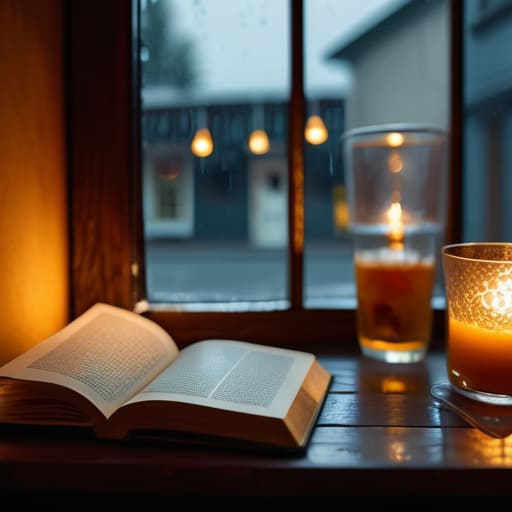
When I sit in a corner booth with a glass of something amber and a new volume in my hands, I find myself drawn to certain recurring threads. It isn’t just about the rhythm of the words, but the weight they carry. Many of the best contemporary poetry books 2024 have moved away from the abstract detachment of the past, opting instead for a raw, visceral honesty. We are seeing a profound shift toward lyrical verse themes that grapple with the quiet fractures of the human experience—loss, the passage of time, and the strange, beautiful persistence of memory.
There is a particular solace in reading about the struggle to remain whole in a fractured world. I often find that these pages serve as a form of poetry for emotional healing, offering a mirror to our own private shadows. These writers don’t try to fix the darkness; they simply sit in it with you, much like a slow jazz melody does. They remind us that there is a specific kind of grace found in acknowledging our vulnerabilities, making the silence of a lonely evening feel a little less empty and a little more like a conversation.
How to Truly Listen to the Written Word
- Give yourself permission to read slowly. Modern poetry isn’t a novel you rush through to reach the final chapter; it’s more like a jazz solo. You have to sit with the pauses and let the rhythm settle in your chest before moving to the next line.
- Create a sanctuary for your reading. I find that a poem loses its teeth if read under the harsh, buzzing glare of a kitchen light. Find a dim corner, perhaps with a single lamp and a heavy chair, and let the environment match the weight of the words.
- Keep a small notebook close by. Much like sketching the cornices of an old theater, jotting down a single striking phrase can help you capture the “soul” of a collection. It turns a passive moment into a lasting memory.
- Don’t be afraid of the silence between stanzas. In my years in the archives, I learned that what isn’t recorded is often as important as what is. In poetry, the white space on the page is where the reader is invited to breathe and reflect.
- Read aloud to hear the architecture. Even if you are alone in a quiet room, let the words vibrate in the air. Poetry was meant to be felt as much as seen, and hearing the cadence can reveal layers of meaning that the eyes might simply skip over.
Reflections for the Night
True poetry isn’t found in the rush of a quick read, but in the quiet moments when you allow a single line to settle in the room with you.
Modern verse serves as a bridge between our frantic daily lives and the stillness we often forget to cultivate.
Look for the collections that mirror the shadows and the light, focusing on the themes that remain long after you’ve closed the book and turned out the lamp.
The Weight of a Single Page
“A modern poetry collection isn’t just a book you read; it’s more like a well-worn jazz record—it’s the spaces between the words, the quiet pauses, and the way a single, sharp line can suddenly make the shadows in your living room feel a little more profound.”
Petra Lindgren
Finding the Resonance

As we’ve wandered through these pages, it becomes clear that modern poetry isn’t just about clever wordplay or following a trend; it is about finding a vessel for the things we often struggle to say aloud. Whether you find yourself drawn to the raw, visceral themes of contemporary verse or the gentle, lyrical rhythms that mirror a quiet evening, these collections serve as more than just books. They are quiet companions in a world that often feels too loud. By exploring these diverse voices, we’ve seen how a single stanza can capture the weight of a memory or the fleeting beauty of a shadow, proving that the most profound connections often happen in the smallest, most intentional pauses.
I often find myself closing my notebook after a long walk, thinking about how much of our lives we miss when we are simply moving from one task to the next. I hope these collections encourage you to do the same—to sit, to breathe, and to let a poem settle into your bones. Don’t feel the need to rush through the stanzas or master the meaning by the final page. Instead, let the words linger like the last notes of a jazz saxophone in a dim room. After all, the goal isn’t just to read, but to truly notice the beauty that remains when the world finally goes quiet.
Frequently Asked Questions
How can I tell if a contemporary collection is worth the time, or if it’s just modern noise?
I’ve learned over the years that true substance doesn’t shout; it hums. When I open a new collection, I look for the spaces between the words—the silence that allows a thought to breathe. If the verses feel like they are rushing to reach a punchline or a social media trend, they are likely just noise. But if a poem makes you pause, forcing you to sit still in the dim light to process it, you’ve found something worth keeping.
Do these modern poets still capture that same sense of timelessness found in the classics?
It’s a question I find myself pondering often while sitting in the back corner of a jazz club. I don’t think they’re chasing the same ghosts as the classics, but they certainly capture the same stillness. The old masters dealt in marble and myth, whereas these modern voices find the eternal in the mundane—the way light hits a cracked window or the ache of a quiet city street. It’s a different kind of timelessness, perhaps, but just as profound.
Is there a particular way to approach reading poetry when I'm looking for something to truly linger in my mind?
I’ve always found that poetry shouldn’t be rushed, much like a slow jazz standard. Don’t treat it like a task to be completed. Instead, find a corner with decent light—or better yet, a single lamp—and read a single stanza. Then, just sit. Let the words settle like dust in an old archive. If a line strikes you, stop. Let it breathe. The meaning isn’t in the speed; it’s in the silence that follows.
