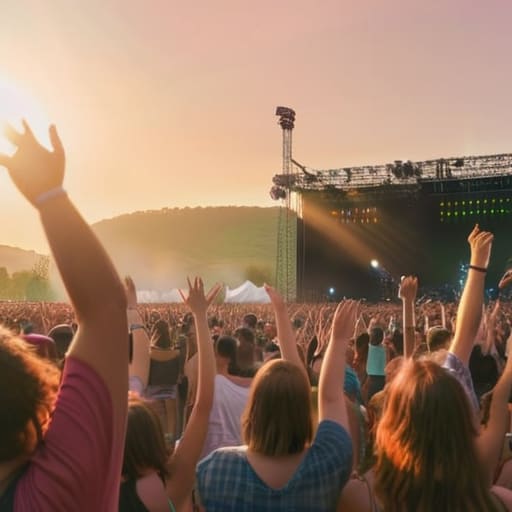
I remember sitting on a weathered wooden bench last July, the kind that feels like it’s seen a thousand sunsets, watching the dust motes dance in the stage lights of a local park. There was a brass section playing something slow and soulful, and for a moment, the frantic energy of the crowd seemed to simply dissolve into the humid evening air. It wasn’t the polished, high-priced spectacle you see on television; it was something much more honest. Most people treat outdoor summer festivals like a race to check a box or a frantic scramble for the best view, but they miss the quiet magic that happens when you actually stop to listen to the way the music interacts with the open sky.
I have no interest in giving you a list of the trendiest, most expensive ticketed events that leave you feeling more exhausted than inspired. Instead, I want to share how you can find the true heartbeat of these gatherings. I’ll guide you toward the smaller, more intentional corners of the season—the ones where the acoustics are better than the social media hype and the atmosphere actually stays with you long after the final note has faded.
Table of Contents
Finding Magic in the Local Music Festivals Schedule
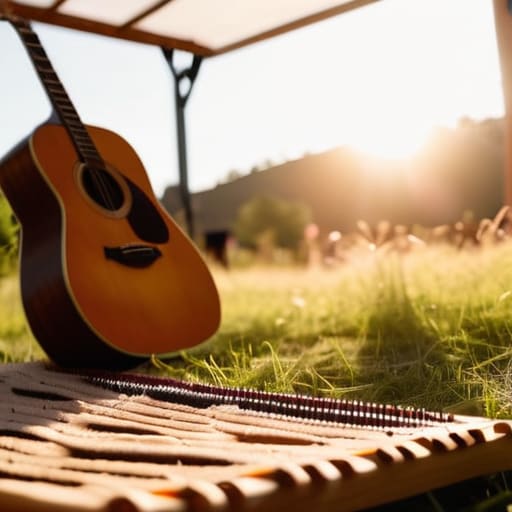
I often find myself sitting at my kitchen table with a cup of tea, tracing my finger over a printed local music festivals schedule like it’s some kind of sacred map. There is a quiet thrill in seeing which parks or cobblestone alleys will host a brass band or a folk singer next Tuesday. I’ve learned that the most profound moments rarely come from the massive, ticketed spectacles; instead, they live in those seasonal community gatherings where the stage is nothing more than a wooden platform and the audience is just your neighbors.
When I plan these outings, I don’t look for the loudest spectacle, but for the rhythm of the town. I keep a mental list—a sort of personal summer festival essentials checklist—that always includes a comfortable folding chair and a notebook for my sketches. There is a certain grace in arriving early, finding a patch of grass, and watching the light shift across the outdoor concert venues as the sun begins its slow descent. It’s about finding a seat where the music can breathe, allowing you to simply exist within the melody.
Chasing Echoes at the Best Outdoor Concert Venues
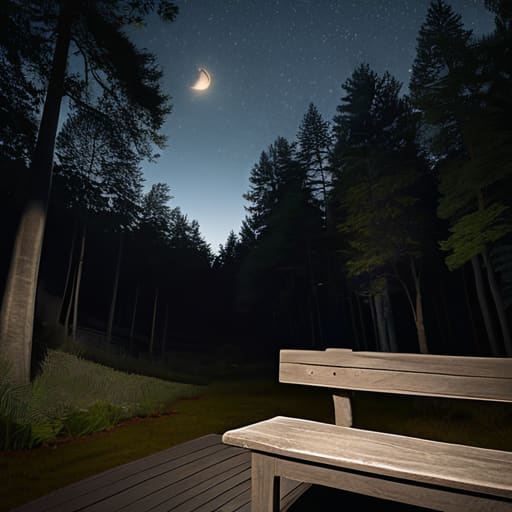
I’ve always found that the setting of a performance is just as vital as the notes being played. While a polished concert hall has its merits, there is a certain grit and honesty found in the most storied outdoor concert venues. I’m talking about those weathered amphitheaters tucked into the treeline or the cracked asphalt of a city park where the acoustics are shaped by the wind and the distant hum of traffic. When I find myself at one of these spots, I make it a point to find a seat away from the main rush, tucked into a corner where I can sketch the way the moonlight hits the stage.
It isn’t just about the music, though; it’s about the atmosphere that settles over the crowd as the sun dips below the horizon. There is a shared, quiet reverence in these seasonal community gatherings that you simply won’t find behind a closed door. You see it in the way a stranger might nod in time to a bassline, or how the cooling air seems to sharpen the melody. In these moments, we aren’t just spectators; we are part of a living, breathing history that unfolds one summer night at a time.
The Art of the Slow Festival: How to Truly Experience the Night
- Leave the itinerary at home. I’ve spent too many years cataloging rigid timelines to appreciate them; instead, allow yourself the grace to wander. If a particular melody draws you toward a corner of the grounds you hadn’t planned to visit, follow it. The best moments are rarely the ones we schedule.
- Pack for the transition. There is a specific, melancholy beauty in the way a summer evening shifts from golden warmth to a cool, velvet twilight. Bring a light layer—perhaps a well-worn denim jacket—so the sudden chill doesn’t pull you away from the music before the set is truly finished.
- Seek the shadows, not just the stage. While the main stage offers the spectacle, the true soul of a festival often hides in the periphery. Find a quiet patch of grass or a dim corner near the back, away from the frantic energy of the front row, and let the sound wash over you without the pressure to dance.
- Bring a small notebook. I know it seems old-fashioned, but there is something about jotting down a lyric or sketching the silhouette of the stage lights against the darkening sky that anchors the memory. It turns a fleeting evening into something you can hold onto long after the music stops.
- Prioritize the sensory over the digital. It is tempting to view the entire night through a smartphone screen, but you miss the way the humid air carries the bass or the way the crowd breathes in unison. Put the phone away. Let the experience live in your ears and your heart, not in a digital cloud.
The Quiet Essentials of a Summer Night
Don’t just chase the headliner; look for the small, local stages where the music feels more intimate and the air is thick with genuine connection.
Bring a notebook or a way to capture the moment—whether through a sketch of the stage or a scribbled lyric—to ensure the evening lingers long after the final note.
Slow your pace and resist the urge to rush between sets; the true magic of a festival is found in the pauses, the dimming lights, and the shared stillness of a crowd under the stars.
The Resonance of Open Air
“There is a particular kind of grace in a summer festival that you simply can’t find behind closed doors; it’s in the way a melody drifts across a crowded field, catching the warmth of the evening air, reminding us that the most profound moments are often the ones we don’t try too hard to capture.”
Petra Lindgren
The Lingering Note
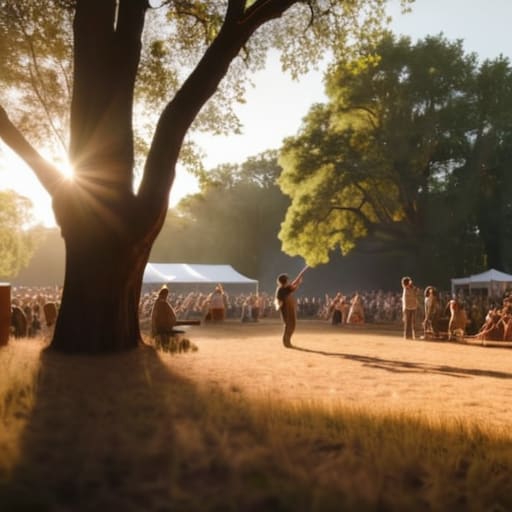
As the sun dips low and the final set begins, it becomes clear that these festivals are about much more than just a lineup of names on a poster. Whether we are navigating the local schedules to find that hidden gem of a folk singer or standing in the shadow of a grand, historic outdoor venue, we are participating in something ancient. We are seeking out those specific vibrations that make the air feel heavy and alive. It is in the careful curation of a local stage and the weathered charm of a summer park that we truly find the rhythm of our community breathing in unison.
When you eventually walk away from the music, leaving the glow of the stage lights behind, try not to rush straight back to the noise of your daily life. Instead, let the melody settle in your bones for a moment. I often find myself sitting on a park bench after the crowds have thinned, simply sketching the way the moonlight hits the empty chairs, trying to hold onto the feeling. My advice is simple: don’t just attend these festivals to check them off a list. Go to listen, go to observe, and most importantly, go to be still. That is where the real magic resides.
Frequently Asked Questions
How do I find those smaller, more intimate festivals that haven't been swallowed up by massive corporate sponsorships?
You have to look where the light is dimmest. Skip the massive, neon-soaked billboards and start looking at the flyers taped to the windows of independent record stores or the community boards in old libraries. I often find the most soul in small, local arts councils or university music departments. They tend to curate with intention rather than profit, favoring the kind of artists who play for the music, not the headcount.
What are the best ways to truly experience the music without getting lost in the frantic rush of the crowds?
It’s easy to let the sea of people pull you into a frantic rhythm, but I’ve learned that the music is often best found in the periphery. Arrive early to claim a spot near the edge, or perhaps find a quiet corner where the sound can breathe. Don’t feel pressured to be in the thick of the surge. Sometimes, leaning against a weathered brick wall with a drink in hand is the only way to truly listen.
Is there a particular way to prepare for these long summer evenings so I can actually sit back and appreciate the atmosphere?
I’ve learned that the secret lies in shedding the day before you even arrive. Don’t rush from the office straight to the gates; instead, find a quiet corner for twenty minutes first. Bring a small notebook—not for chores, but for observations. Pack things that feel intentional: a comfortable linen shirt, perhaps a thermos of something warm. If you arrive prepared to linger rather than just “attend,” the atmosphere will finally have room to settle around you.
