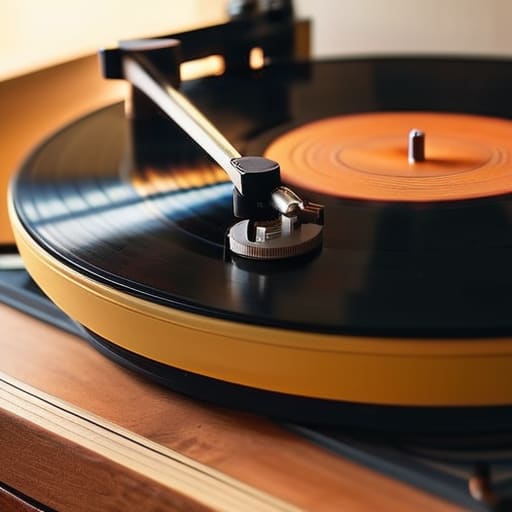
I remember sitting in a cramped, dust-moted basement in Ann Arbor back in ’78, the air thick with the scent of old paper and ozone. I wasn’t looking for a status symbol or a pristine investment piece; I was just looking for a way to make the world stop spinning so fast. There is a specific, heavy magic in the way a sleeve feels in your hands—a tactile connection to the artist that a digital file simply cannot replicate. To me, vinyl record collecting has never been about the pursuit of the rarest pressing or the most expensive gear to impress a stranger. It has always been about that singular, quiet moment when the needle finds the groove and the room finally settles into silence.
I’m not here to sell you on some overpriced, audiophile-grade fantasy that requires a mortgage to maintain. Instead, I want to share what I’ve learned from decades of digging through crates and preserving the echoes of the past. I promise to guide you through the honest, unvarnished reality of building a collection that actually means something. We won’t focus on the hype, but on the soul of the sound and the joy of the hunt.
Table of Contents
Finding Your Sound Best Turntables for Beginners
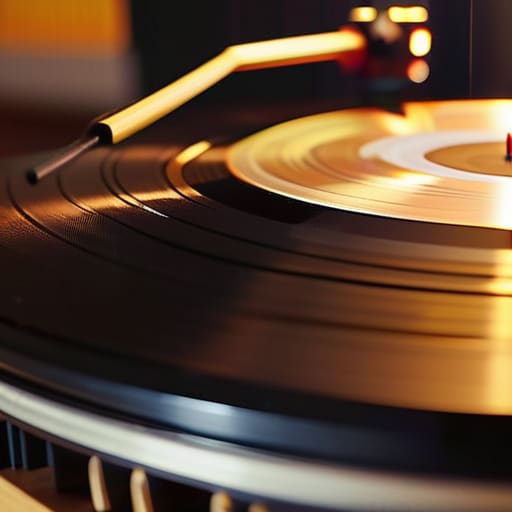
When I first began my journey, I thought the most important thing was the music itself, but I quickly learned that the vessel matters just as much. You don’t need a sprawling, professional-grade analog audio equipment setup to start, but you do need something that respects the grooves. For those just stepping into this world, I often suggest looking toward something like an Audio-Technica LP60X. It’s reliable, straightforward, and won’t require a degree in engineering to operate. It allows you to focus on the texture of the sound rather than the frustration of a malfunctioning belt.
If you find yourself with a bit more room in the budget, perhaps a Pro-Ject Debut Carbon might be your next step. It feels more substantial in the hands—a piece of machinery that demands a certain level of respect. As you begin finding the best turntables for beginners, remember that the goal isn’t to own the most expensive gear, but to find a machine that treats your records with care. After all, once you start grading vinyl records condition with your own ears, you’ll realize that a steady, well-calibrated needle is the difference between noise and true atmosphere.
The Quiet Hunt Essential Record Store Hunting Tips
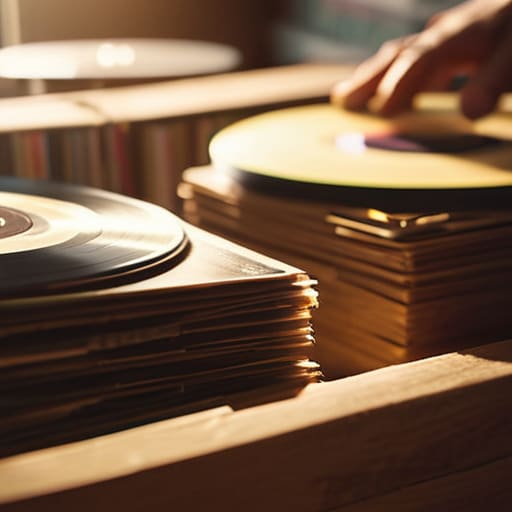
There is a specific kind of quiet that exists only in the aisles of a well-loved, dusty record shop. It isn’t a void of sound, but rather a heavy, expectant stillness. When I go out searching, I try to leave my internal clock at the door. You cannot rush a hunt like this; if you move too quickly, you’ll miss the subtle shimmer of a sleeve or the way a specific spine catches the light. My best record store hunting tips usually boil down to one thing: patience. Let your fingers do the work, flipping through the crates with a rhythmic, steady pace, feeling for the weight of a heavy press versus a flimsy reissue.
As you dig, you must learn to look past the cover art. I often find myself pulling a sleeve out just to inspect the edges, practicing the art of grading vinyl records condition by eye before I even commit to the price. Is there ring wear? Are the corners softened by decades of improper storage? It is a tactile investigation. Sometimes, the most profound discoveries aren’t the flashy hits, but the worn, soulful copies that tell a story of a thousand previous listens.
The Archivist’s Care: Preserving the Soul of the Groove
- Treat your sleeves with respect. I’ve seen too many beautiful pressings ruined by paper sleeves that scratch the surface every time you pull them out. Invest in a pack of high-quality, anti-static inner sleeves; it’s a small cost to protect the history you’re holding.
- Learn the art of the gentle clean. You’ll find dust and old fingerprints on almost everything you pull from a bargain bin. A dedicated carbon fiber brush is your best friend for daily maintenance, but for those deeper, grimy finds, a bit of specialized cleaning solution can bring a dead record back to life.
- Mind your storage geometry. Records are heavy, and they have a memory. Never stack them vertically like a pile of loose papers—this leads to warping and “ring wear” on the jackets. Store them upright, side-by-side, like books on a shelf, to let them breathe and stay true.
- Listen to the silence between the tracks. When you’re evaluating a used record, don’t just listen to the music. Listen to the surface noise. Is it a light, comforting hiss, or is it a rhythmic thumping that tells you the disc is gouged? Knowing the difference helps you decide if a find is a treasure or a heartbreak.
- Avoid the temptation of the “quick fix.” It’s easy to get caught up in the rush of a new acquisition, but I’ve learned that a record deserves a moment of stillness. Don’t just toss it on the platter and walk away. Set the needle, dim the lights, and let the physical presence of the music settle into the room.
The Lessons Left in the Grooves
Don’t let the pursuit of perfection ruin the experience; a few scratches on a well-loved sleeve often hold more character than a pristine, untouched pressing.
Invest in your ears before your wallet, learning to listen to the nuances of the music so you can recognize a true treasure when it finally surfaces in a dusty bin.
Treat the ritual as a sanctuary, remembering that the goal isn’t just to own a collection, but to create a space where time actually feels like it’s standing still.
The Weight of a Moment
A digital file is a ghost that vanishes the moment you close your eyes, but a record is a physical presence; it demands you sit, it demands you listen, and it rewards you with the beautiful, imperfect crackle of a life actually being lived.
Petra Lindgren
The Last Groove
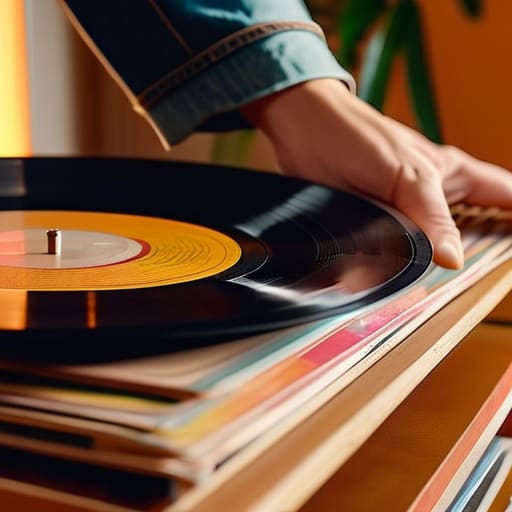
As you begin this journey, remember that it isn’t merely about the hardware or the hunt. We have talked about selecting a turntable that respects the integrity of the sound and the patience required to sift through the dusty bins of a local shop, but those are just the mechanics of the craft. The true essence lies in the connection you build between the sleeve in your hands and the music in the air. Whether you are chasing a rare jazz pressing or simply building a library of the songs that shaped your youth, focus on the quality of the experience rather than the size of the collection. It is about finding those specific pieces that make the room feel a little more complete.
In a world that seems increasingly determined to move faster, to digitize everything into a seamless and soulless stream, choosing vinyl is a quiet act of rebellion. It is a commitment to slowing down and honoring the physical weight of art. I often find myself sitting in the dark, watching the shadows dance against the wall as a record spins, and I realize that these are the moments that actually endure. Don’t just collect records; collect moments of stillness. Let the music breathe, let the needle find its way, and most importantly, allow yourself the grace to truly listen.
Frequently Asked Questions
How do I tell the difference between a well-preserved vintage pressing and one that's been played too many times?
You have to rely on more than just your eyes; you must use your hands and your ears. When you’re browsing, hold the disc up to a soft light—look for those deep, spiderweb scratches that catch the glare. But the real truth is in the silence between tracks. If you hear a constant, rhythmic “pop” or a surface hiss that drowns out the delicate brushwork of a drum kit, that record has lived too much life.
Is it worth investing in high-end cleaning kits right away, or should I start with something simpler?
Don’t rush into the expensive, specialized machinery just yet. When I first started, I thought I needed every gadget known to man, but truth be told, a gentle carbon fiber brush and a bit of patience go a long way. Start with the basics to keep the dust at bay. Once you’ve fallen in love with a particular pressing—the kind that makes you sit still for an hour—then you can justify the heavy-duty cleaning.
How much space should I actually set aside for a collection before it starts feeling like clutter rather than a curated archive?
It’s a delicate balance, much like the archives I used to manage. A collection becomes clutter when you stop listening to the music and start merely managing the inventory. I’ve found that if you can’t glance at a sleeve and feel a specific connection to the artist or the moment, you’ve crossed the line. Curate for the soul, not the shelf; keep only what demands your attention when the needle drops.
