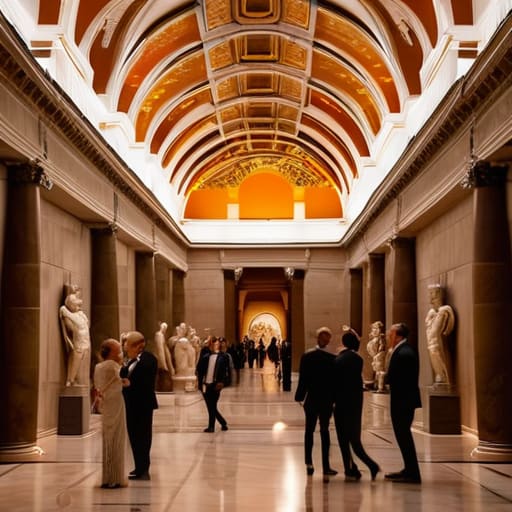
I remember standing in the middle of a crowded gallery last autumn, the air thick with the smell of expensive perfume and the frantic, hollow chatter of people more interested in their phone screens than the canvas in front of them. It was one of those highly publicized museum evening events that promised “culture” but delivered nothing but a headache and a sense of profound isolation. I found myself retreating toward the exit, longing for the quiet dignity of the archives where the only thing that mattered was the weight of the paper and the stillness of the room.
I’m not here to sell you on the latest high-priced gala or the trendy, loud mixers that treat art like a mere backdrop for a cocktail hour. Instead, I want to show you how to find the true soul of these institutions after the sun goes down. I will guide you toward the quiet corners and the thoughtfully curated programs where the lighting is soft, the music is meaningful, and the connection to history is genuine and unhurried. Let’s stop rushing through our nights and start finding the moments that actually stay with us.
Table of Contents
Finding Stillness in Curated Night Tours
There is a specific kind of magic that happens when the heavy footsteps of the midday crowds finally fade away. When you join one of those curated night tours, the atmosphere shifts entirely. Without the constant hum of school groups or the frantic pace of tourists checking their watches, the galleries take on a different weight. I often find myself standing before a single canvas for much longer than I ever would at noon, simply because the silence allows the work to actually speak.
These nocturnal art programming sessions offer a rare chance to observe the interplay of shadow and light on ancient marble or oil paint. In the dimness, the edges of the world seem to soften. It isn’t just about seeing the collection; it’s about the intimacy of the space. For those of us who prefer a slower tempo, these after-hours museum experiences feel less like an excursion and more like a quiet conversation with history itself. It is in these hushed corridors that I find the stillness I’ve been searching for all day.
The Quiet Magic of Nocturnal Art Programming
There is a specific kind of alchemy that occurs when the heavy doors click shut behind the last of the daytime crowds. The air seems to settle, losing that frantic, high-pitched energy of school groups and hurried tourists. This is where nocturnal art programming truly finds its footing. Without the glare of the afternoon sun or the constant shuffle of feet, the brushstrokes on a canvas seem to breathe. I find myself leaning in closer to a sculpture, noticing the way the artificial light catches a curve or a shadow in a way that daytime lighting simply cannot replicate.
It isn’t just about seeing the art; it’s about the atmosphere that these after-hours museum experiences cultivate. There is a shared, unspoken understanding among those of us who linger—a quiet respect for the stillness. You might find yourself standing in a dimly lit corridor, lost in thought, only to realize you aren’t alone in your contemplation. It’s a rare chance to exist in a space that demands nothing from you but your attention, allowing the history within the walls to speak in a much softer, more intimate voice.
A Few Small Ways to Honor the Evening
- Don’t be afraid of the silence. When you find yourself in a gallery after the daytime crowds have vanished, resist the urge to rush from one frame to the next. Pick one piece, find a bench, and simply let it exist with you for a while.
- Check the acoustics before you settle in. If there is a live performance scheduled, try to arrive early enough to scout a corner where the sound carries well but doesn’t overwhelm your ability to think. The best evenings are found in the balance between melody and reflection.
- Leave the digital world at the door. I know it’s tempting to capture every shadow and spotlight on your phone, but try to see the exhibits through your own eyes first. A sketch in a notebook or a simple mental note often holds more weight than a blurry photograph.
- Look for the “after-hours” details. The way the light hits a marble bust at 8:00 PM is entirely different from how it looks at noon. Pay attention to the shadows; they often reveal the textures that the harsh afternoon sun hides.
- Bring a companion who understands the value of a slow pace. These evenings aren’t meant for frantic socializing. Find someone who appreciates a shared, quiet moment of wonder—someone who knows that sometimes, the best conversation happens in the pauses between the music.
Notes from the Notebook: What to Carry With You
Seek the silence between the exhibits; the true value of a museum at night isn’t just in what you see, but in the rare opportunity to actually hear your own thoughts.
Look past the grand displays and find the small, overlooked details—a brushstroke, a texture, or a shadow—that only reveal themselves when the harsh daylight is gone.
Don’t rush to see everything on the list; allow yourself the luxury of staying in one room a little longer than necessary, letting the atmosphere settle into your bones.
The Shift in the Air
“There is a profound difference between viewing an exhibit under the harsh glare of midday and standing before it when the sun has set. In the evening, the museum stops being a place of study and starts being a place of feeling; the shadows grow longer, the crowds thin out, and suddenly, the art has room to breathe alongside you.”
Petra Lindgren
A Final Note Before the Lights Go Down
As we’ve explored, there is a profound difference between visiting a museum during the midday rush and stepping into its halls once the sun has set. Whether you are wandering through a curated night tour that offers a sense of solitude, or finding yourself swept up in the nocturnal energy of a live art program, these evening hours change the very texture of the experience. We’ve seen how the dimming of the overhead lights and the absence of the daytime crowds allow the artifacts to speak in a much more intimate voice. It isn’t just about seeing art; it is about reclaiming your time and allowing the history on the walls to breathe alongside you.
So, the next time you find yourself caught in the frantic pace of a Tuesday afternoon, I urge you to wait. Hold out for the evening. Seek out those quiet, shadowed corners where the music is low and the atmosphere is thick with possibility. We spend so much of our lives rushing toward the next task that we often miss the subtle beauty that only reveals itself in the stillness. Don’t just pass through the world; let the world settle into you. After all, the most meaningful memories are rarely made in the bright glare of the sun, but in the soft, lingering glow of a night well spent.
Frequently Asked Questions
Do these evening hours tend to be more social and lively, or can I still find those quiet, contemplative pockets of time?
It’s a bit of both, really. There are certainly evenings where the atmosphere leans toward a social buzz—cocktails in hand, the low hum of conversation echoing through the galleries. But if you time it right, or seek out the smaller, niche programming, you’ll find those pockets of profound stillness. I often find that the most contemplative moments happen in the corners of the rooms, just away from the main crowd, where the shadows feel a little deeper.
Is there a particular way to prepare for a late-night tour to ensure I don't miss the smaller, more intimate details of the exhibits?
Don’t rush in with a checklist and a sense of urgency; that’s the quickest way to miss the magic. Instead, I suggest arriving a few minutes early just to let the transition from the street to the gallery settle in your bones. Bring a small notebook—much like my own—to jot down a single word or a sketch of a texture. If you focus on one small detail rather than the whole room, the exhibit will finally start to speak to you.
Are most of these nocturnal events focused on specific collections, or do they offer a broader view of the museum's archives?
It varies, much like the jazz sets I used to catch in Ann Arbor. Often, these evening programs lean into a specific collection—perhaps a spotlight on Impressionism or a deep dive into local textiles—to create a more focused atmosphere. However, I’ve found that the more thoughtful institutions use the twilight hours to weave a broader narrative, letting different eras converse in the dim light. It’s less about a checklist and more about a mood.
