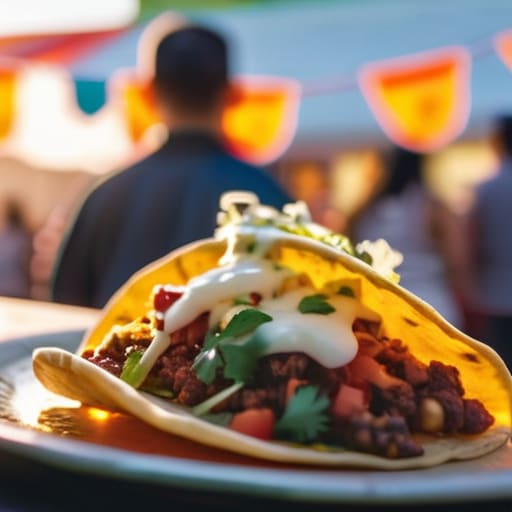
I remember standing on a cobblestone corner in Chicago years ago, the air thick with the scent of charred garlic and rain, watching a vendor flip skewers with a rhythm that felt more like jazz than cooking. It wasn’t about the fancy branding or the long lines; it was the way the steam rose into the dim evening light, creating a momentary sanctuary amidst the city’s roar. Most people approach street food festivals as if they’re checking items off a frantic to-do list, rushing from one overpriced stall to the next just to say they were there. They miss the point entirely. They treat these gatherings like a race, forgetting that the true magic happens in the quiet pauses between the bites.
I’m not here to give you a glossy brochure of the trendiest spots or a list of “must-eat” items that will be forgotten by morning. Instead, I want to show you how to navigate these crowded spaces with intention. I’ll share my personal guide to finding the stalls that actually possess a soul, avoiding the commercial traps, and knowing exactly when to pull up a chair and simply be present.
Table of Contents
Savoring Authentic Ethnic Cuisine Amidst the Nightly Glow
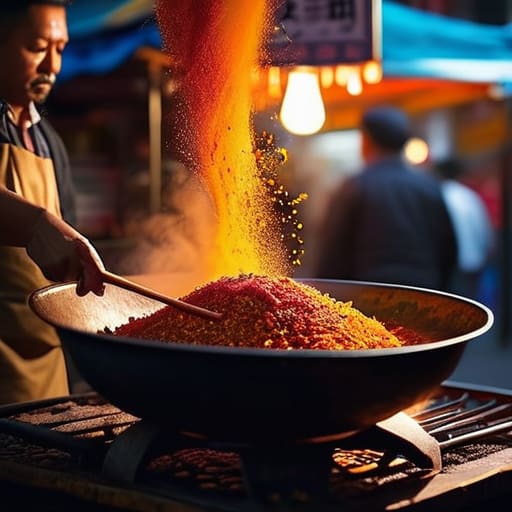
There is a specific kind of magic that happens when you stop looking at a map and start following your nose. In the middle of these bustling gatherings, I often find myself drawn away from the bright, neon-lit main thoroughfares toward the smaller stalls tucked into the shadows. It is there, amidst the rising plumes of steam and the rhythmic chop of knives, that you truly encounter authentic ethnic cuisine. I remember standing near a vendor last summer, watching the way the amber light caught the spices being tossed into a heavy iron wok; it felt less like a commercial event and more like a shared piece of gastronomy and cultural heritage.
Instead of rushing to tick every stall off a mental list, I prefer to let the evening dictate my pace. I’ve noticed that the most profound outdoor dining experiences happen when you simply find a quiet corner, perhaps a wooden bench or a low stone wall, and let the flavors settle. There is a quiet dignity in a recipe passed down through generations, served on a simple paper plate under a canopy of stars. It’s these small, unhurried moments of connection to another culture that stay with you long after the embers of the grills have cooled.
Tracing Gastronomy and Cultural Heritage Through Every Bite
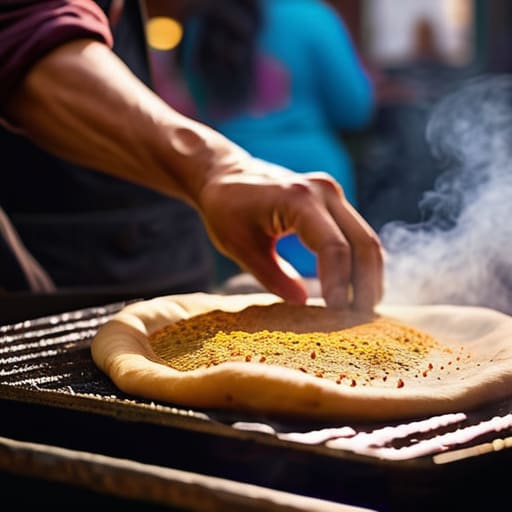
As an archivist, I’ve spent my life looking at what people leave behind in paper and ink, but I’ve come to realize that history is often better preserved in the steam rising from a paper plate. When you wander through these gatherings, you aren’t just eating; you are participating in a living record of migration and memory. To me, the connection between gastronomy and cultural heritage is found in those small, stubborn details—the specific way a spice is toasted or the exact texture of a hand-pressed dough. These aren’t just recipes; they are artifacts of a journey.
I find myself watching the hands of the cooks, seeing the same rhythmic motions passed down through generations. It’s a beautiful thing to witness how authentic ethnic cuisine serves as a bridge, turning a crowded sidewalk into a shared moment of understanding. In the rush of modern life, we often forget that every flavor tells a story of where someone has been and what they hold dear. When we slow down to truly taste, we aren’t just consuming food; we are reading the very soul of a culture.
A Few Small Rituals for the Wandering Palate
- Don’t be afraid of the line. In fact, seek it out. If you see a crowd huddled around a single, unassuming stall, it’s usually because there’s something there worth the wait—a recipe that hasn’t changed in decades.
- Leave your phone in your pocket. I know it’s tempting to photograph every colorful plate, but once you start looking through a lens, you stop tasting the spices and feeling the hum of the crowd. Just be present.
- Look for the shadows, not just the spotlights. The most soul-stirring flavors often come from the vendors tucked away in the corners, far from the main stage, where the lighting is low and the focus is purely on the craft.
- Carry a little extra cash and a bit of patience. There is a certain tactile charm to using paper bills in a bustling market; it keeps you connected to the rhythm of the exchange rather than the sterile beep of a card reader.
- Find a quiet corner to sit. After you’ve gathered your treasures, find a spot away from the heavy foot traffic. Let the flavors settle, listen to the distant music, and let the evening unfold at its own pace.
The Quiet Art of the Festival
Don’t let the crowds dictate your pace; the true magic of a street food festival is found in those small, stolen moments between the noise, where the steam from a vendor’s stall meets the cool night air.
Treat every dish like a piece of living history, a sensory record of a culture that has traveled far to reach your plate, and take the time to actually taste the heritage behind the spice.
Look beyond the bright lights and the rush to find the rhythm of the evening, letting the combination of good food and ambient sound remind you to simply be present in the moment.
The Rhythm of the Night
“A street food festival isn’t just about the meal; it’s about that fleeting, beautiful moment when the hiss of a grill and the low hum of a crowd become the only soundtrack you need to feel truly alive.”
Petra Lindgren
The Lingering Aftertaste of a Night Well Spent
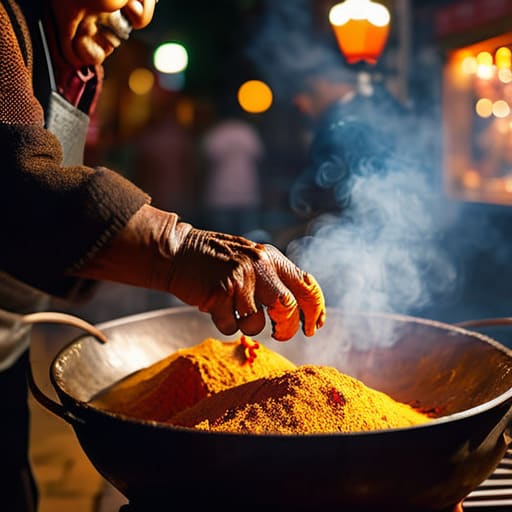
As the crowds begin to thin and the heavy scent of spices settles into the cooling night air, I find myself reflecting on what we actually gathered at these stalls. We didn’t just consume calories; we participated in a living history, tasting the unfiltered stories of families who have carried their recipes across oceans. From the rhythmic clatter of woks to the shared warmth of a crowded corner, these festivals serve as a reminder that culture isn’t something locked away in a museum archive—it is something vibrant, messy, and delicious that lives in the hands of the cook and the hunger of the traveler.
My advice to you is simple: the next time you find yourself standing under those flickering string lights, don’t just eat to be full. Slow down. Let the steam from a paper bowl hit your face and listen to the low hum of a dozen different languages blending into one. We spend so much of our lives rushing toward the next appointment, but there is a profound, quiet magic in simply being present for a single, perfect bite. Go find a festival, find a seat, and let the world slow down just enough for you to taste it.
Frequently Asked Questions
How can I find the smaller, more intimate festivals that don't feel like a crowded tourist trap?
To find the real heart of things, you have to look where the neon doesn’t reach. Steer clear of the massive, city-sponsored plazas. Instead, keep an eye on local community boards or small, independent neighborhood blogs. Often, the most soulful gatherings happen in tucked-away parks or quiet alleyways, organized by the very people who cook the food. Look for the festivals that feel more like a neighbor’s backyard dinner than a spectacle.
Is there a way to discover the history behind these specific recipes while I'm wandering the stalls?
It’s a wonderful instinct to want to peel back the layers. I often find that the best way isn’t through a guidebook, but through a quiet conversation. Don’t be afraid to linger by a stall and ask the cook where they learned their grandmother’s technique or where they source their spices. Most of them carry those stories like heirlooms. Listen closely; sometimes the history isn’t written in a book, but in the steam rising from a pan.
What should I look for to ensure I'm finding the most authentic vendors rather than the ones just chasing the crowd?
Look past the neon signs and the polished branding. I’ve learned that authenticity usually hides in the details—the way a vendor handles their spices with practiced grace, or the steam rising from a pot that’s been simmering all afternoon. Seek out the stalls where the menu is small, perhaps even handwritten, and the crowd is composed of locals rather than just tourists. If the rhythm of their work feels steady and soulful, you’ve found something real.
