
I remember sitting in a basement club in Chicago back in ’84, the air thick with the scent of old wood and spilled bourbon, watching a saxophonist lean so far into a solo it felt like he might break. There was no smartphone in sight, no flashing LED screens, just the raw, unpolished vibration of the brass hitting the air. Nowadays, I see people treating a live music experience like a checklist—trying to capture the perfect video for a screen rather than actually being in the room. We’ve become so obsessed with documenting the moment that we’ve forgotten how to simply inhabit it.
I’m not here to tell you which overpriced VIP lounges to book or how to navigate a festival circuit. Instead, I want to talk about how to actually find the soul of a performance. I’ll share what I’ve learned from decades of wandering through dim-lit venues, focusing on how to seek out those quiet, profound connections that stay with you long after the final encore. We’re going to look past the marketing and find the real magic in the shadows.
Table of Contents
Finding Stillness in the Concert Crowd Energy
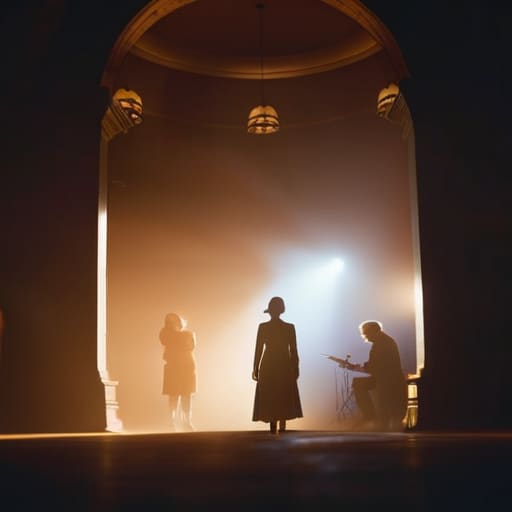
There is a peculiar paradox in a crowded room; you can be pressed shoulder-to-shoulder with a hundred strangers and yet feel a profound sense of solitude. I’ve often found that the most meaningful moments don’t happen when you’re pushing toward the front rail, but when you step back into the shadows. It’s in those quiet pockets of the room that you truly tap into the live performance connection, letting the collective hum of the audience become a backdrop rather than a distraction.
When the concert crowd energy begins to swell, there is a temptation to ride the wave of adrenaline, to jump and shout along with the rhythm. But I prefer to lean against a brick wall, watch the way the light catches the dust motes in the air, and simply listen. There is a specific kind of stillness that exists even in the middle of a roar—a moment where the music stops being something you hear and starts being something you inhabit. If you can find that center, the noise doesn’t feel overwhelming; it feels like a shared heartbeat.
Seeking Acoustic Performance Intimacy in Dim Lights
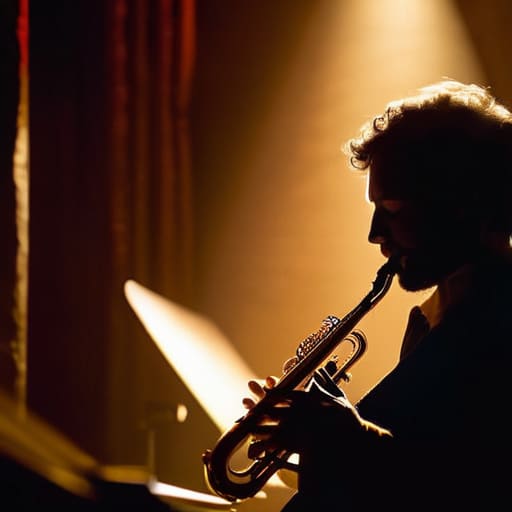
There is a specific kind of magic that only happens when the electric roar of a stadium is traded for the quiet hum of a corner room. I’ve always found that the true essence of a live performance connection isn’t found in the spectacle, but in the spaces between the notes. When you find yourself in a small, dimly lit room, the air feels thicker, more intentional. You aren’t just watching a performer; you are sharing a breath with them.
In these smaller settings, the acoustic performance intimacy becomes almost tactile. Without the wall of sound found at a massive festival, you start to notice the slide of fingers against steel strings or the slight catch in a singer’s throat. It demands a different kind of presence from us. It requires a certain level of concert attendee etiquette—a collective agreement to be still, to listen, and to let the silence be as meaningful as the melody. It is in these hushed, amber-lit moments that the music finally finds a way to settle deep within your bones.
The Small Rituals of a Well-Spent Evening
- Leave the phone in your pocket; if you spend the whole set viewing the stage through a five-inch screen, you aren’t actually there, and you’ll miss the way the light catches the dust motes in the air.
- Arrive early enough to settle into a corner, perhaps with a drink in hand, just to let the room’s character wash over you before the first note ever strikes.
- Seek out the edges of the room rather than the center of the crush; there is a particular kind of magic in watching a performance from the periphery where you can observe the architecture and the shadows.
- Listen not just to the melody, but to the space between the notes—the way the room breathes and the subtle, unscripted sounds that a recording can never quite capture.
- Carry a small notebook, as I do, to jot down a single phrase or a fleeting feeling; those scribbled thoughts often become more precious than any digital photo once you’re back in the quiet of home.
The Lingering Echoes: What to Carry Home
Stop trying to capture everything through a lens; the most profound moments are the ones you let settle in your mind without the interference of a screen.
Pay attention to the small things—the way the light hits the wood of a cello or the shared silence between strangers—because those are the details that actually build a memory.
Allow yourself the grace to be moved; a live performance isn’t just something to watch, it’s something to let change your tempo for a little while.
The Resonance of the Moment
“We spend so much of our lives rushing toward the next thing, but a truly great performance asks you to do the opposite: to sit still, to let the melody settle into your bones, and to finally notice the beauty in the pause between the notes.”
Petra Lindgren
The Echo That Remains
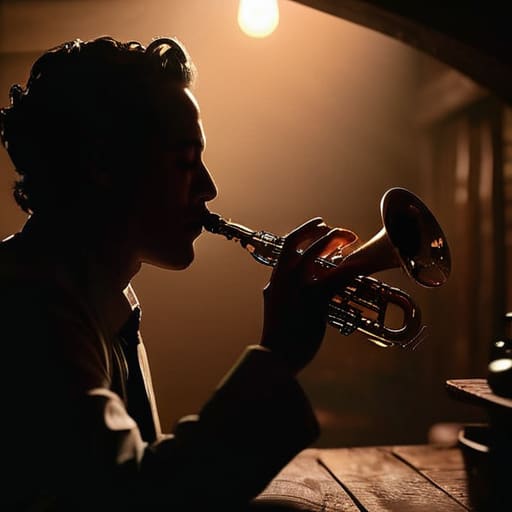
As the final notes fade and the house lights slowly climb, you realize that a truly great live music experience isn’t just about the setlist or the volume. It is about that rare, fleeting ability to find stillness amidst a crowd and the quiet intimacy found in a dimly lit corner of a jazz cellar. We have explored how the energy of the room and the texture of the acoustics work together to pull us out of our frantic daily routines. When we stop rushing to the next thing and instead lean into the vibration of the room, we allow the music to do its most important work: anchoring us in the present moment.
I often find myself sitting in my study after a long night out, sketching the curve of a stage or jotting down a melody in my notebook, trying to capture what I felt. The world outside will always be loud, hurried, and demanding, but these evenings offer us a necessary sanctuary. Don’t just go to a show to check a box or capture a video on your phone; go to listen, to breathe, and to be moved by the shadows and the sound. Let the music stay with you long after you’ve stepped back out into the cool night air. That is where the real life begins.
Frequently Asked Questions
How do you find those quiet, tucked-away venues when the city seems to only care about the loudest, brightest spots?
You have to learn to look for the cracks in the pavement. The loudest spots always have the neon signs and the queues stretching around the corner, but the real treasures don’t shout. I tend to follow the narrow alleys or look for those unassuming, heavy wooden doors that look like they belong to a tailor or a bookstore. If a place feels like it’s hiding, it usually is—and that’s exactly where you want to be.
Is there a way to truly disconnect from the digital noise of a phone and just be present when the music starts?
I’ve found that the trick is to treat your phone like a heavy, unnecessary relic. When I walk into a club, I don’t just silence it; I tuck it deep into my coat pocket, out of sight and out of mind. I find that if I focus on the physical—the grain of the wooden table or the weight of my notebook—the urge to scroll fades. Let the music be your only connection.
What should one look for in a venue to ensure the acoustics allow for that deep, soulful connection rather than just a wall of sound?
I’ve learned that you have to look past the neon signs. Seek out venues with character—places with heavy curtains, wooden floors, or even those high, vaulted ceilings that seem to hold onto a note just a second longer. Avoid the massive, concrete halls where the sound just bounces back like a physical blow. You want a room that breathes, where the geometry of the space works with the instruments, rather than fighting them.
