
I remember sitting in a cramped, windowless basement archive in Ann Arbor back in the late seventies, surrounded by the scent of decaying paper and damp concrete. I wasn’t looking for a grand historical lecture; I was just trying to make sense of a scratched 45rpm record that seemed to vibrate with a life of its own. Most people will try to tell you that understanding soul music roots requires a PhD or a deep dive into complex sociological textbooks, but they’re missing the point entirely. You don’t find the truth of that music in a sterile classroom or a high-priced lecture hall; you find it in the cracks of the recording, in the grit and the unpolished ache of a voice that has lived through something real.
I’m not here to give you a dry timeline of dates and names that you could easily find on a Wikipedia page. Instead, I want to walk you through the actual texture of the sound—the way the gospel fervor meets the blues’ heavy shadow. My promise to you is simple: we are going to strip away the academic fluff and look at what actually makes this music settle into your bones. We’ll explore the honest, unvarnished origins of the genre, focusing on the stories that actually matter when the room goes dark.
Table of Contents
The Sacred Breath How Spirituals Shaped the Sound
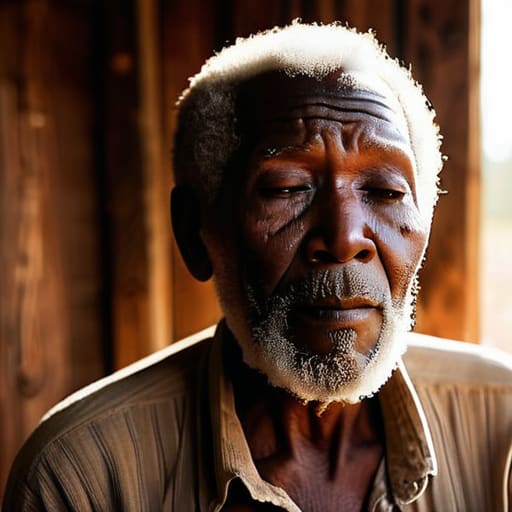
You can’t truly understand the grit and grace of a modern record without first acknowledging the heavy, beautiful silence that preceded it. Long before the electric bass or the brass section took center stage, there was the voice—unadorned and raw. I often think about how the African American musical traditions of the past weren’t just about melody; they were about survival. The spirituals were born from a need to breathe when the world felt suffocating, turning prayer into a rhythmic, communal lifeline.
When I sit in a quiet corner of a club, listening to a singer find that particular ache in a minor key, I’m hearing the echoes of those early hymns. There is a direct line from the field holler to the gospel choir, and ultimately, to the very heart of the genre. This influence of spirituals on soul provided the emotional architecture that allowed the music to transcend mere entertainment. It’s that sacred, trembling breath—the moment where a singer stops performing and starts testifying—that remains the most honest part of the entire experience.
African American Musical Traditions and the Rhythms of Resilience
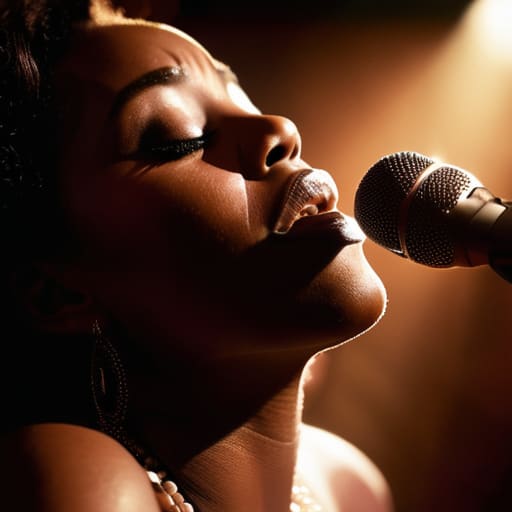
It wasn’t just about the notes on a page; it was about the way a rhythm could hold a community together when everything else was falling apart. When I look back through the archives, I see how these African American musical traditions weren’t just entertainment—they were a survival mechanism. There was a specific kind of grit in the call-and-response patterns, a way of passing a feeling from one person to another that felt less like a performance and more like a shared heartbeat.
You can hear that pulse moving through the decades, tracing the long, winding evolution of soul music as it traveled from the porch to the recording studio. It’s a lineage of endurance. Whether it was the raw, unpolished grit of a Delta bluesman or the sophisticated arrangements coming out of a city studio, that underlying sense of resilience never wavered. It’s the kind of sound that doesn’t just sit in the air; it demands that you acknowledge the struggle and the triumph that birthed it.
How to Truly Listen: A Few Notes on Finding the Soul
- Don’t just listen for the melody; listen for the space between the notes. In those early gospel-infused tracks, it’s often the silence and the heavy breath before a singer hits a crescendo that tells the real story.
- Seek out the crackle. If you’re spinning old vinyl, don’t be too quick to dismiss the surface noise. That slight hiss and pop acts like a layer of dust on an old photograph—it gives the music its texture and its sense of time.
- Pay attention to the rhythm of the struggle. When you hear those heavy, driving backbeats, remember they aren’t just there to make you tap your foot; they are the echoes of a resilience that refused to be silenced.
- Look for the connections between the sanctuary and the street. To understand soul, you have to hear how the reverence of a Sunday morning hymn eventually found its way into the grit and sweat of a Saturday night club.
- Slow your pace. You can’t catch the nuances of a great soul record if you’re rushing through the tracks. Pour yourself something slow, dim the lamps, and let the music settle into your bones before you move on to the next song.
What Remains When the Music Fades
Soul isn’t just a genre you listen to; it is the heavy, beautiful inheritance of spirituals and rhythms that refused to be silenced by history.
To truly hear the music, you have to look past the polished production and find the raw, unvarnished human experience hidden in the cracks of the melody.
We find our own sense of peace when we stop rushing and allow ourselves to sit with the echoes of the past, letting the music settle into our bones.
The Weight of the Note
“You don’t find soul music in the polished perfection of a studio recording; you find it in the cracks of a voice and the heavy, intentional silence between the notes—that’s where the history is actually breathing.”
Petra Lindgren
The Echo That Remains
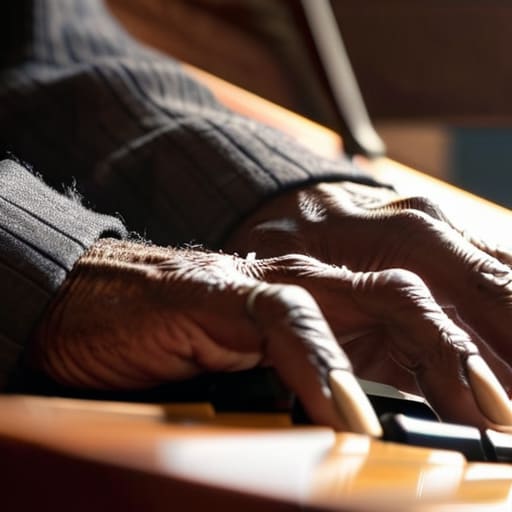
When you step back and look at the lineage we’ve traced, it becomes clear that soul music wasn’t just a genre that happened by accident. It was a slow, deliberate gathering of everything that came before—the heavy, prayerful weight of the spirituals and that unshakeable, rhythmic pulse of resilience that kept communities whole. You can hear it if you listen closely enough; it’s in the way a singer holds a note just a second too long, or how a bassline seems to pulse with the memory of a thousand shared struggles. It is a tapestry woven from survival and grace, proving that music is rarely just about the melody, but rather about the history breathing through the notes.
As I sit here in the quiet of my study, looking over my sketches and listening to the soft crackle of a worn record, I am reminded that we shouldn’t be in such a hurry to get to the next thing. The roots of soul tell us that there is profound value in the struggle and the slow build toward a crescendo. So, the next time you find yourself in a dim room with a good band, don’t just hear the music—feel the weight of it. Let yourself linger in those shadows and let the sound settle into your bones. After all, the best things in life are the ones that stay with you long after the lights go up.
Frequently Asked Questions
How did the transition from the church pews to the secular recording studios actually change the way these artists approached their vocals?
It was a profound shift, really. In the pews, the voice was an instrument of communal prayer—expansive, meant to reach the rafters. But once they stepped into those tight, velvet-draped studios, something intimate happened. The microphone became a confidant. They learned to pull back, trading that soaring projection for a raspy, whispered vulnerability. It wasn’t about reaching the back row anymore; it was about letting the listener feel like you were singing just to them.
Is there a specific way to listen to these early records that helps you catch the nuances the historians might miss?
You can’t rush it. If you’re spinning those old 45s, turn the lights down low and leave your phone in another room. Don’t just listen to the melody; listen to the space between the notes—the slight crackle of the needle or the way a singer’s breath hitches before a crescendo. It’s in those unpolished, human imperfections where the real history lives. You have to sit still enough to let the rhythm settle into your bones.
Where can we still find those old, dimly lit spaces that preserve the original atmosphere of this music, rather than just the sound?
You won’t find them in the polished, high-ceilinged lounges of the modern downtown. To find the real thing, you have to look for the basement clubs and the narrow storefronts tucked away on side streets—the places where the air feels thick and the shadows are intentional. Seek out the venues that haven’t been “renovated” into sterility. If the room feels a bit cramped and the lighting is low enough to make you lean in closer, you’re exactly where you need to be.
