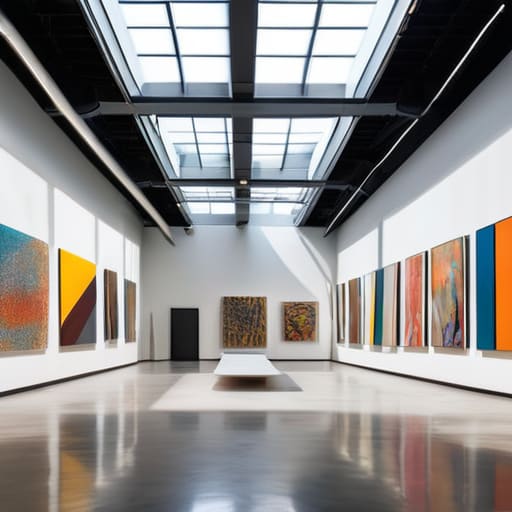
I remember sitting in a drafty gallery in Chicago back in the late seventies, staring at a canvas that appeared to be nothing more than a series of aggressive, accidental splatters. A man in a sharp suit stood beside me, whispering grand theories about how these modern art movements were redefining the very fabric of human consciousness, but all I felt was a profound sense of being left out in the cold. It felt like a private club where the entry fee wasn’t money, but a specific, pretentious vocabulary that no one actually used in real life.
I’m not here to feed you that academic jargon or tell you that a blank canvas is a spiritual epiphany simply because a critic said so. Instead, I want to strip away the noise and look at these shifts through a much clearer lens. We are going to explore the actual soul of the movement—the why and the how—without the exhausting pretension. My promise to you is simple: we will find the genuine beauty in these transitions, focusing on what actually stays with you once you’ve stepped back out into the evening air.
Table of Contents
The Impact of Industrialization on Art and Pace
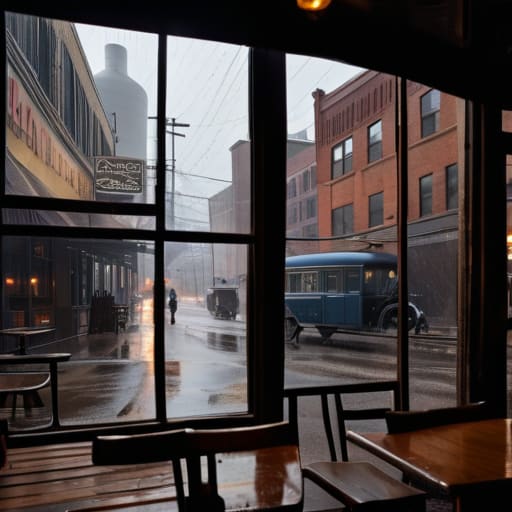
I remember sitting in a small cafe in Chicago last autumn, watching the frantic, mechanical pulse of the city rush past the window. It struck me how much our collective rhythm changed when the steam engine and the assembly line took hold. The impact of industrialization on art wasn’t just about new subject matter; it was a fundamental shift in how we perceived time itself. Suddenly, the world wasn’t moving at the pace of a walking man or a horse-drawn carriage, but at the speed of steel and coal.
As an archivist, I’ve spent years handling documents that trace this frantic acceleration. You can see it in the way artists began to react against the rigid, manufactured lines of the factory. There was a desperate need to reclaim something tactile and human. This tension eventually paved the way for the evolution of abstract expressionism, where the raw, unbridled movement of the artist’s hand served as a necessary rebellion against the cold precision of the machine. We moved from capturing the world as it looked to capturing how it felt to be caught in such a whirlwind.
Post Impressionist Techniques for Finding Quiet Moments
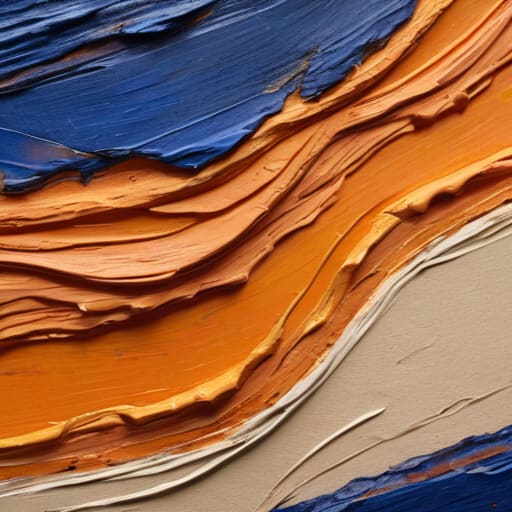
When I look at a Gauguin or a Van Gogh, I don’t see mere pigment on canvas; I see an attempt to capture the weight of a feeling. Unlike the fleeting glances of the Impressionists, the post-impressionist techniques of this era sought something more permanent, more structural. They weren’t just painting light; they were building a world out of color and deliberate, heavy strokes. There is a profound lesson there for us—a reminder that we don’t have to capture everything at once. Sometimes, you only need a few bold, intentional colors to convey the entire essence of a sunset or a quiet street corner.
I often find myself sketching in my notebook, trying to mimic that sense of deliberate placement. It’s a way of practicing minimalism in modern aesthetics before the term even existed. By stripping away the unnecessary noise and focusing on the core emotional truth of a scene, these artists taught us how to find stillness. It’s about learning to see the geometry in a shadow or the rhythm in a landscape, allowing the details to settle in your mind long after you’ve turned out the lights.
Lessons from the Canvas: How to Truly See Modern Art
- Stop looking for a story and start looking for a feeling. When you stand before a piece of abstract expressionism, don’t ask “what is this supposed to be?” Instead, let the colors and the scale of the brushstrokes settle in your chest. Some things aren’t meant to be decoded; they are meant to be felt.
- Give yourself the gift of the long stare. In my years in the archives, I learned that the most important details are often buried under layers of dust and time. The same goes for a complex canvas. Don’t just glance and move on; find a corner of the painting, a single line or a smudge of texture, and stay there for five minutes.
- Embrace the tension of the unfinished. Much of modern art moved away from the polished perfection of the old masters, leaning instead into the raw and the spontaneous. Learn to appreciate the sketch, the visible stroke, and the intentional imperfection. There is a profound honesty in a work that doesn’t try to hide its own making.
- Notice how the light plays against the medium. Whether it’s the thick, heavy impasto of a Fauvist painting or the translucent layers of a Cubist study, the way light hits the surface changes the entire conversation. If you can, visit a gallery during the “blue hour” of late afternoon; the shifting shadows can reveal a whole new dimension to the work.
- Let the art dictate your pace, not the museum’s exit sign. We are often conditioned to treat galleries like grocery stores—efficiently ticking off boxes. I suggest you do the opposite. If a particular movement or a single painting makes you want to sit on the bench and just breathe, then stay. The most meaningful encounters with art happen when we finally stop rushing.
Lessons from the Canvas
Stop treating art like a checklist of movements to memorize; instead, look for the moments where the artist slowed down enough to capture something real.
Use the bold, intentional strokes of the masters as a reminder to add more weight and presence to our own rushed, everyday lives.
True appreciation requires a bit of stillness—you can’t feel the rhythm of a painting if you’re already halfway out the door.
The Soul Beneath the Surface
We often mistake the frantic energy of modern movements for a lack of depth, but if you sit with a canvas long enough—truly sit with it, past the initial shock of the color or the chaos of the line—you’ll find that these artists weren’t just breaking rules; they were trying to capture the same fleeting, fractured stillness that we all struggle to find in our own rushing lives.
Petra Lindgren
The Last Note of the Evening
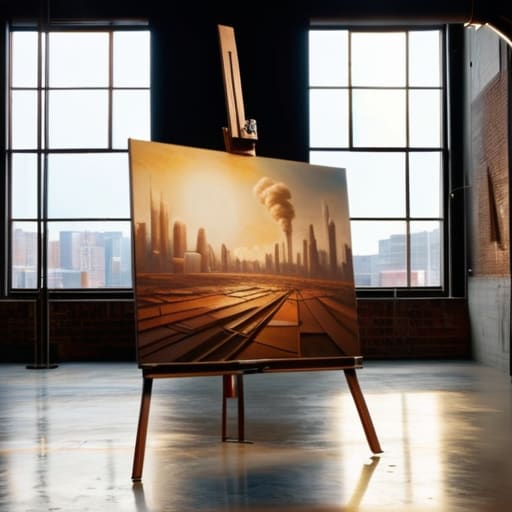
As we look back at how these movements reshaped our world, it becomes clear that modern art wasn’t just about changing how we see a canvas, but about how we respond to a changing life. We’ve seen how the frantic pulse of industrialization pushed artists to react, and how the Post-Impressionists taught us to find a certain quietude within the chaos by focusing on light and emotion rather than mere accuracy. These movements serve as a reminder that even when the world feels like it is moving too fast, there is a way to anchor ourselves through the lens of intentionality and expression.
I often find myself sitting in a dimly lit corner of a club, watching the way the shadows dance against the brickwork, and I realize that art is doing the exact same thing in our daily lives. It isn’t something you simply observe from a distance; it is something you inhabit. My hope is that you don’t just walk away from these history lessons with facts and dates, but with a renewed desire to notice the small, beautiful details that most people rush past. So, take your time tonight. Let the world blur at the edges, find your own rhythm, and see what truly lingers in your mind once the lights finally go down.
Frequently Asked Questions
How do we find the human element in art that feels so intentionally fragmented or abstract?
It’s easy to feel alienated by a canvas that looks like a shattered mirror, but I’ve learned that abstraction isn’t an absence of humanity—it’s an invitation. Don’t look for a recognizable face; look for the tremor in a line or the weight of a color. Much like a jazz solo that wanders far from the melody, the “human” part is in the tension and the intent. Find the heartbeat in the chaos.
Is it possible to appreciate the chaos of movements like Futurism without losing that sense of inner stillness I value so much?
It’s a fair question. I often find myself staring at a Futurist canvas—all that frantic, jagged energy—and feeling a bit breathless. But I’ve learned that you don’t have to join the race to understand it. Think of it like a sudden, loud crescendo in a jazz set; the music is chaotic, yes, but you can remain the steady observer in the corner booth. Observe the movement, let it wash over you, but keep your footing.
When looking at a piece of modern art, how do I know when to stop analyzing the technique and just let the feeling settle in?
You’ll know you’ve reached that point when the “how” stops being louder than the “what.” If you find yourself mentally cataloging brushstrokes or debating color theory while the actual emotion of the piece begins to hum in your chest, stop. Close your notebook. Put down the mental magnifying glass. When the technique fades into the background and a specific memory or a quiet ache takes its place, that’s when the art has finally found you.
