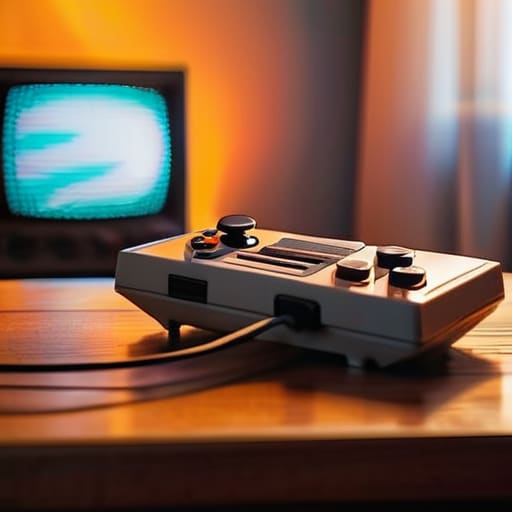
The low, rhythmic hum of a cathode-ray tube television has a specific frequency, a warm sort of static that you just don’t find in the sterile, high-definition glare of modern living rooms. I remember sitting in my first cramped apartment, the blue light of the screen dancing against the stacks of history journals on my desk, lost in the pixelated landscapes of retro video games. There was no grand cinematic score or hyper-realistic motion capture back then; there was only the tactile click of a plastic cartridge sliding into a slot and the singular, focused joy of a world built from simple, honest shapes.
I’m not interested in the frantic, expensive chase for “mint condition” collectibles that collectors use to justify inflated price tags. Instead, I want to talk about the soul of these machines and why they still matter. In the following pages, I’ll share my thoughts on finding the genuine magic in these old digital worlds, focusing on the experiences that actually stay with you long after you’ve turned the power off. We aren’t looking for status symbols here; we are looking for a way to slow down.
Table of Contents
Finding Stillness in 8 Bit Gaming History
I often find myself sitting in my study, the light from a single lamp casting long shadows across my desk, much like the dim corners of the jazz clubs I used to frequent. There is a specific kind of quiet that comes when you sit down with a piece of classic gaming hardware. It isn’t the frantic, high-definition noise of modern entertainment; rather, it is a rhythmic, predictable pulse. As I hold a heavy, plastic controller, I’m reminded of how these machines were built to be held, to be felt, and to be lived with.
Navigating through the layers of 8-bit gaming history feels less like a hobby and more like an act of preservation. When I bypass the convenience of modern software to engage with the original machines, I am seeking that tactile connection to the past. There is a profound difference between a digital file and the physical weight of collectible video game cartridges resting in your palm. It is in those deliberate, slow moments—the click of a switch and the soft hum of the television—that I find a rare sense of stillness in an otherwise hurried world.
The Tactile Soul of Collectible Video Game Cartridges
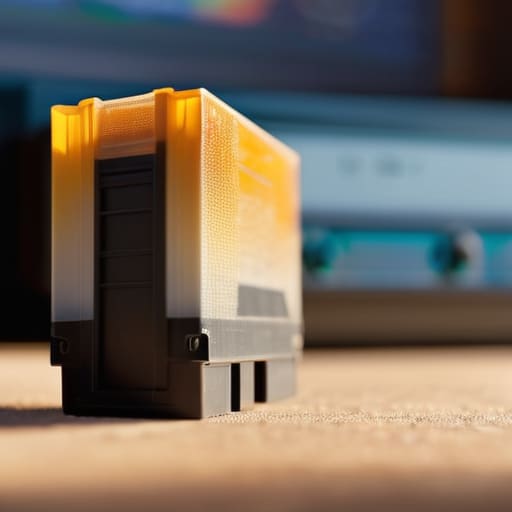
There is a specific, heavy satisfaction in the weight of a plastic cartridge resting in your palm. It isn’t just about the game inside; it is about the physical reality of it. In my years as an archivist, I learned that objects carry a certain gravity that digital files simply cannot replicate. When I hold one of these collectible video game cartridges, I am reminded of the era of intentionality. You didn’t just click an icon; you felt the click of the casing, the slight resistance of the slot, and the ritual of blowing dust from a connector. It was a sensory handshake between the player and the machine.
Lately, I’ve noticed a growing divide in how we approach these treasures. While many find convenience in software, there is a profound difference between emulation vs original hardware. An emulator provides the image, but the original machine provides the soul. There is a warmth to the hum of the console and the physical act of inserting a cartridge that makes the experience feel grounded in reality. It turns a mere pastime into a tangible connection to the past.
A Few Gentle Ways to Begin Your Own Journey Backwards
- Don’t rush to own everything at once; start by seeking out a single title that holds a fragment of a memory, perhaps a game that played in the background of a childhood summer.
- Look for the physical copies whenever possible, because there is a quiet dignity in holding a heavy cartridge in your hands that a digital download simply cannot replicate.
- Visit local thrift stores or small, independent gaming shops rather than the massive online marketplaces; the hunt itself is a ritual that demands patience and a keen eye.
- Allow yourself to play without the pressure of modern “achievement” or “completionism”—simply sit with the music and the pixels, and let the game be a companion rather than a task.
- Take a moment to appreciate the art of the manual; those little booklets were the maps to new worlds, and reading them under a warm lamp is half the joy of the experience.
The Lasting Echoes of an Analog Era
Beyond the pixels, these games offer a rare chance to slow down and engage with a world that doesn’t demand our constant, frantic attention.
There is a profound, tactile connection to be found in the weight of a cartridge and the click of a switch—a physical ritual that modern digital libraries simply cannot replicate.
We don’t play these old titles just to relive the past, but to rediscover the quiet joy of being fully present in a single, focused moment.
The Memory in the Machine
We spend so much time chasing the latest, loudest digital spectacle, but there is a profound, quiet dignity in those old pixels—a reminder that a world doesn’t need to be infinite to be meaningful, only to be felt.
Petra Lindgren
The Final Note
As I sit here at my desk, the soft light of the evening filtering through the blinds, I find myself reflecting on why these pixelated worlds still hold such weight. We’ve explored the way these games offer a unique kind of stillness, a reprieve from the frantic pace of modern life, and how the very act of holding a plastic cartridge can ground us in the present. It isn’t just about the software; it is about the tangible connection to a moment in time. Whether it is the rhythmic click of a button or the simple joy of a low-resolution landscape, these games serve as a bridge to a simpler, more intentional way of experiencing joy.
Ultimately, I hope you find your own way to slow down and appreciate these small, digital echoes. In a world that constantly demands we look toward the next big thing, there is a quiet dignity in looking back at what has already endured. Don’t be afraid to turn off the bright, modern distractions and let yourself get lost in a world made of simple colors and honest sounds. After all, the most meaningful things aren’t always the loudest; sometimes, they are the ones that whisper to us when the rest of the world finally goes quiet.
Frequently Asked Questions
Is it worth the investment to hunt for original hardware, or are modern emulators enough to capture that old feeling?
I’ve often found that emulators, for all their convenience, lack the weight of a moment. They provide the melody, but they miss the vibration of the instrument. There is a specific, grounding ritual in flipping a heavy switch and hearing the mechanical click of an original console waking up. If you are seeking mere distraction, an emulator suffices. But if you want to truly inhabit that era, the original hardware is worth every bit of the hunt.
How do you begin to curate a collection without letting the clutter overwhelm your living space?
I’ve learned through years of managing dusty archives that a collection is only as good as the space you allow it to breathe in. Don’t aim for a hoard; aim for a gallery. I suggest starting with a single, dedicated shelf—perhaps one near a lamp where the light hits just right. Curate by feeling rather than volume. If a piece doesn’t spark that quiet, internal hum of joy, it’s just more noise.
Where can one find those rare, physical copies that haven't been worn down by decades of use?
It requires a bit of patience, much like hunting for a pristine first pressing of a Coltrane record. You won’t find the best treasures in the bright aisles of big-box retailers. Instead, look to the small, dusty independent game shops or dedicated collectors’ forums where enthusiasts treat these items with reverence. Sometimes, the real magic happens at local estate sales; you might just stumble upon a pristine collection tucked away in a quiet living room.
