
I remember sitting in a drafty corner of a basement jazz club in Ann Arbor, the kind of place where the air smells of old mahogany and spilled rye. I was there for the brass, the sweat, and the rhythmic heartbeat of a live drummer, but then I heard it—a low, pulsing hum drifting from a speaker in the back. It wasn’t a song so much as a texture, a slow-moving tide of ambient electronic sound that seemed to settle into the very cracks of the floorboards. At first, my instinct was to dismiss it as mere background noise, something meant to fill a void rather than create one, but I stayed. I realized then that some sounds don’t demand your attention; they simply invite you to finally exhale.
I’m not interested in the technical jargon or the pretension that often surrounds modern synthesis. My goal here isn’t to teach you how to program a sequencer, but to help you rediscover the art of the quiet moment. I want to share the textures and tones that actually hold weight when the world gets too loud, focusing on music that serves as a sanctuary for the senses. We’ll skip the hype and look for the soul in the static.
Table of Contents
Softening the Edges With Ethereal Soundscapes
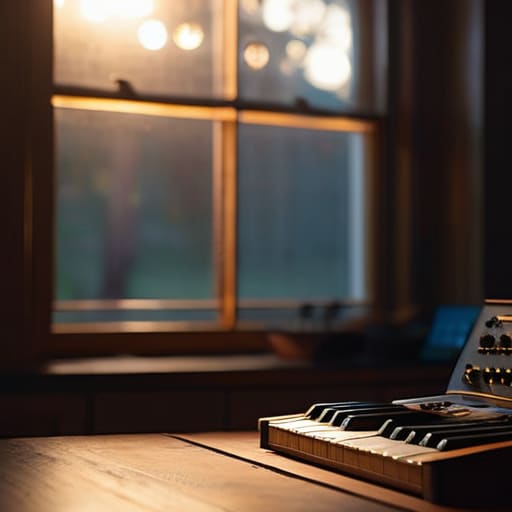
There is a certain grace in music that refuses to demand your full attention, opting instead to linger in the periphery like the scent of old paper in a quiet library. I’ve often found that ethereal soundscapes serve a similar purpose; they don’t strike you with a sudden crescendo, but rather settle over a room like a soft evening mist. When I sit in my study, letting the light fade from the window, I look for those minimalist electronic textures that feel less like a performance and more like a natural extension of the silence.
It is a delicate balance, finding sounds that occupy the space without crowding it. I tend to gravitate toward pieces that feel organic, almost as if they were breathing along with the room. These layers of sound act as a gentle buffer against the frantic pace of the modern world. Rather than filling the void with noise, they provide a sense of continuity, creating a sanctuary where one can finally stop rushing and simply exist within the melody.
The Quiet Power of Minimalist Electronic Textures
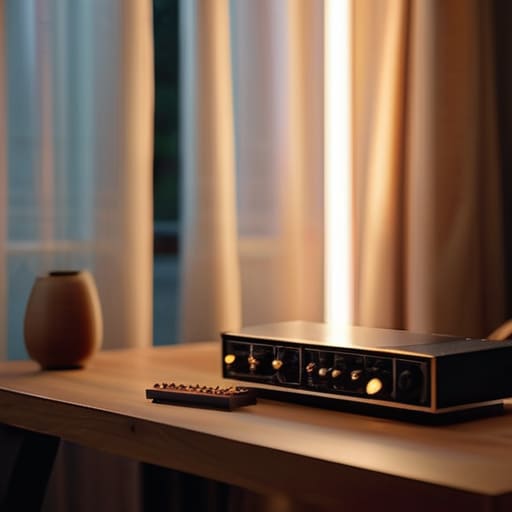
There is a particular kind of magic found in what is left unsaid—or rather, unheard. When I sit in a dimly lit corner of a room, I find myself drawn less to the grand crescendos and more to the subtle, rhythmic breathing of minimalist electronic textures. These aren’t songs that demand your undivided attention like a frantic bebop solo; instead, they act like the grain in an old photograph, providing a delicate structure that holds everything together. They offer a sense of intentional emptiness, allowing the mind to wander without being pulled in a dozen different directions at once.
I often find that these stripped-back compositions serve as the perfect companion when the world outside feels a bit too loud. There is a profound solace in generative ambient music, where the patterns feel organic, almost like the shifting shadows on a brick wall as the sun goes down. It isn’t about filling the silence, but rather about shaping the silence into something meaningful. It’s a way to reclaim your evening, turning a simple moment of solitude into a curated experience of peace.
A Few Notes on Curating Your Own Quietude
- Don’t feel the need to fill every silence; sometimes the most profound ambient tracks are those that leave room for the room to breathe around them.
- Invest in a decent pair of headphones or a reliable set of speakers; these textures are delicate, and they deserve to be heard with more than just a passing glance.
- Treat your listening like an archival process—don’t just shuffle through a playlist, but let a single album unfold from start to finish, much like a well-preserved manuscript.
- Match the music to the light in your room; I find that these electronic swells feel much more honest when the sun has gone down and the lamps are dimmed low.
- Keep a notebook nearby, not necessarily for lyrics, but to jot down how a particular swell or drone shifts your mood; it helps you notice the details before they fade.
The Quiet Lessons of the Soundscape
Ambient music isn’t just background noise; it is an invitation to slow your breathing and finally notice the way the light hits the floorboards.
There is a profound strength in restraint, where the spaces between the notes often carry more weight than the melodies themselves.
By choosing to listen intentionally, we reclaim our evenings from the frantic pace of the modern world and find a rare, necessary stillness.
The Architecture of Silence
“Most people treat music like a conversation that demands an answer, but ambient electronic is more like the light shifting across an old brick wall—it doesn’t ask for your attention, it simply invites you to sit still and notice the space it creates.”
Petra Lindgren
The Lingering Echo

As we’ve explored, ambient electronic music isn’t merely background noise to fill a void; it is a deliberate architecture of sound. Whether it is the way an ethereal soundscape can soften the harsh edges of a long day, or how a minimalist texture can command your attention through its very lack of clutter, these compositions serve a purpose. They invite us to step away from the frantic, percussive rhythm of modern life and settle into something more profound. By stripping away the unnecessary, these artists allow us to find beauty in the spaces between the notes, proving that sometimes, the most powerful statements are made in a whisper rather than a shout.
I often find myself sitting in my study, the record spinning slowly, watching the shadows stretch across the floorboards as the music settles into the room. It reminds me that we don’t always need to be moving forward to be progressing. In these quiet, electronic drifts, there is a chance to simply be present. So, the next time you feel the world pressing in too tightly, I encourage you to dim the lights, find a piece that speaks to your stillness, and let the music do its work. After all, the most important parts of our lives are often found in the quiet pauses we finally allow ourselves to take.
Frequently Asked Questions
How can I distinguish between music meant for active listening and the kind that is simply meant to settle into the background of a room?
It’s a question of intention, really. When I sit down with a new record, I look for those intricate, shifting layers—the kind that demand you lean in to catch a subtle melodic turn. That is music for the soul to hold. But then there is the other kind: music that acts like soft lighting in a room. It doesn’t demand your gaze; it simply provides a gentle, rhythmic pulse for the evening to rest upon.
Is there a particular way to listen to these textures that helps one truly notice the subtle shifts in the sound?
To truly hear these textures, you must first learn to settle. I find that the best way is to treat the music like a room you are walking into, rather than a task to be completed. Dim the lights, perhaps pour a glass of something slow, and put away the phone. Use a decent pair of headphones if you can—it allows the smallest, most delicate shifts to feel as intimate as a whisper in a quiet library.
Where might one find these more delicate, atmospheric recordings in a world that seems increasingly obsessed with loud and fast-paced rhythms?
You won’t find these sounds in the neon glare of a crowded club or the frantic pulse of a radio hit. Instead, look toward the margins. Seek out independent vinyl shops where the air is still, or perhaps explore those quiet, curated corners of digital archives that favor texture over tempo. Sometimes, the best way to find them is to simply stop rushing; listen to the spaces between the noise, and the music will find you.
